



Amylum (Starch): Traditional Medicinal Uses and Benefits
Introduction
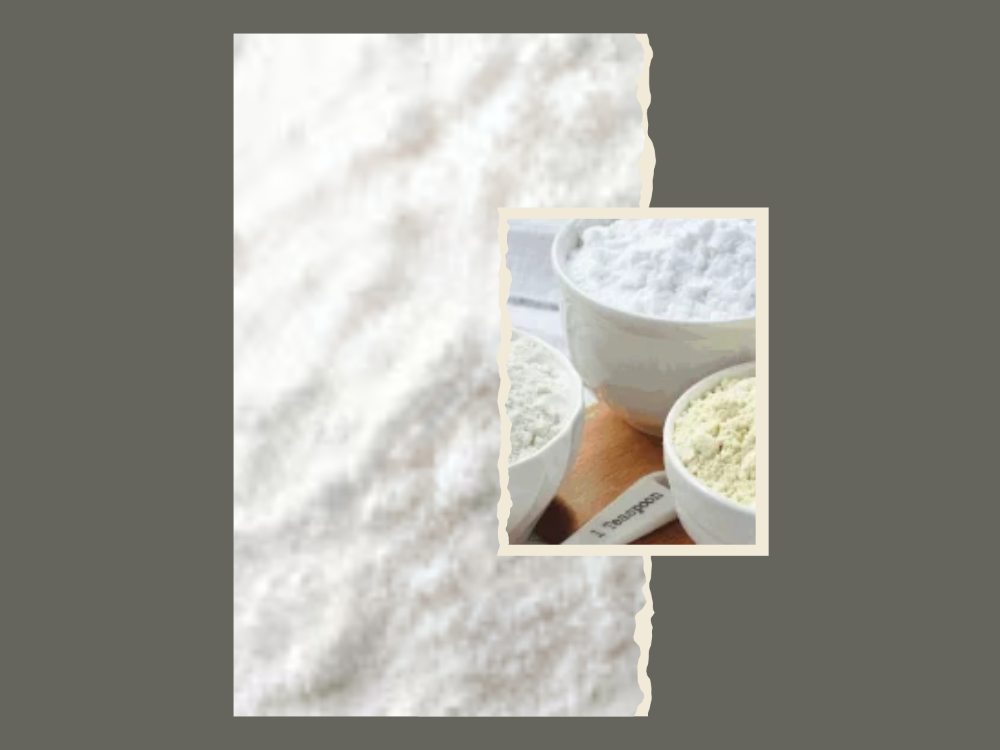
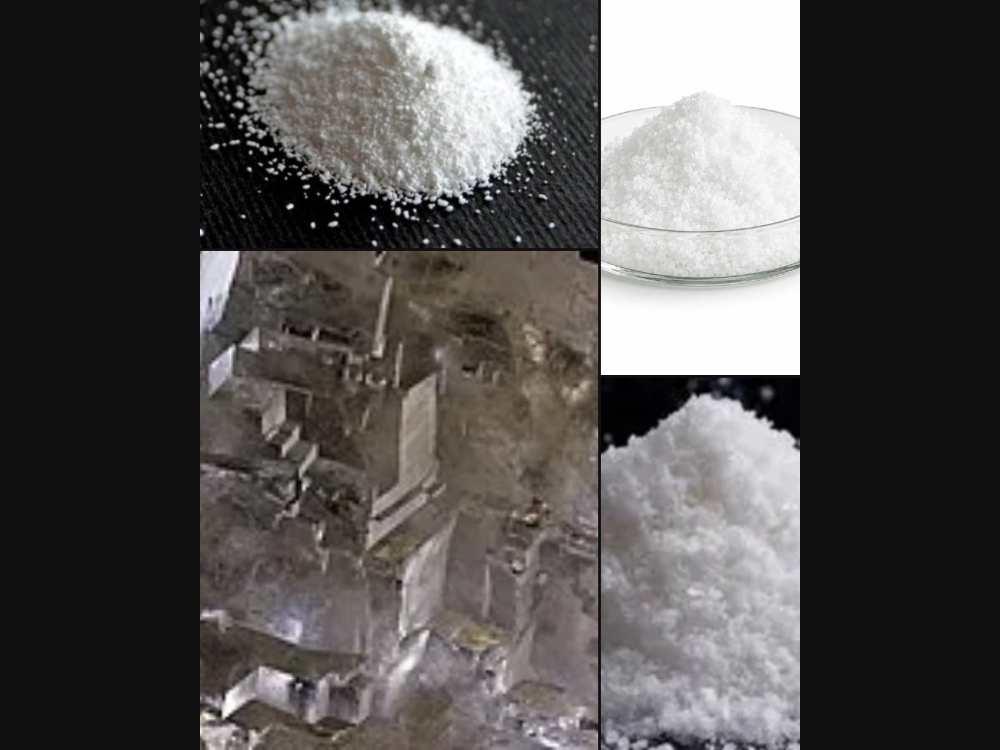
Amylum, commonly known as starch, is a fine, white powder obtained from various cereal grains, including wheat, rice, and sorghum (jowar). It is widely used in traditional medicine and pharmaceutical preparations because of its soothing, absorbent, and astringent properties. It has a bland taste with a slightly saline quality and is valued for its ability to absorb moisture, reduce irritation, and improve the consistency of medicinal formulations.
Nature and Characteristics
Amylum is prepared from wheat, rice, sorghum, and other starchy grains. It generally appears as a fine or granular white powder with a smooth texture. It is almost tasteless, although it may have a mild saline quality.
Temperament (Mizaj)
According to traditional Unani medicine, Amylum is considered cold and dry in the first degree. However, some traditional authorities describe its temperament as cold and moist.
Medicinal Properties and Actions
In traditional medicine, Amylum is regarded as an astringent, drying, absorbent, and anti-inflammatory agent. It is also used to correct and moderate the effects of other medicines. Its soothing and moisture-absorbing properties make it useful in preparations intended for irritated skin and certain eye applications. It is also traditionally considered a brain tonic.
Traditional Medicinal Uses of Amylum
Amylum is commonly incorporated into medicinal formulations as a corrective and supporting ingredient. Its properties help improve the consistency of preparations and moderate the harshness of certain medicines.
Uses for Eye Irritation
Due to its drying and soothing properties, Amylum has traditionally been used in ophthalmic preparations to reduce their harshness. It is also mentioned in traditional remedies for eye pain, inflammation, and burning sensations. A paste prepared from starch has historically been applied for its soothing effect.
Uses for Skin Inflammation and Burns
Amylum is traditionally applied externally to inflamed skin and minor burn wounds because of its absorbent and soothing qualities. It helps absorb excess moisture and is used in traditional preparations intended to relieve irritation and discomfort.
Uses for Weeping Skin Conditions
Its moisture-absorbing properties make Amylum useful in traditional topical preparations for weeping skin lesions. It has been used as a dusting powder for conditions involving excessive moisture, including eczema, boils, and pimples.
Uses for Bedsores
Amylum is traditionally used as a dusting powder for bedsores, also known as pressure ulcers. Its absorbent properties are considered helpful in keeping affected areas dry.
Uses in Medicinal Preparations
Starch is widely incorporated into traditional pharmaceutical preparations. It serves as an ingredient in pills, snuff, and various medicinal dusting powders. It also acts as a corrective agent, helping improve the texture and consistency of different formulations.
Uses for Cracked Hands and Feet
For cracked skin, particularly on the hands and feet, Amylum is traditionally mixed with butter and applied externally. This preparation is believed to soothe dryness, itching, inflammation, and associated skin discomfort.
Uses as a Traditional Brain Tonic
In Unani medicine, Amylum is also mentioned as a nourishing ingredient for people experiencing cerebral weakness. It is traditionally consumed in hareera, a porridge-like preparation made with almond kernels. This nourishing combination is believed to provide strength and support brain health.
Recent Posts
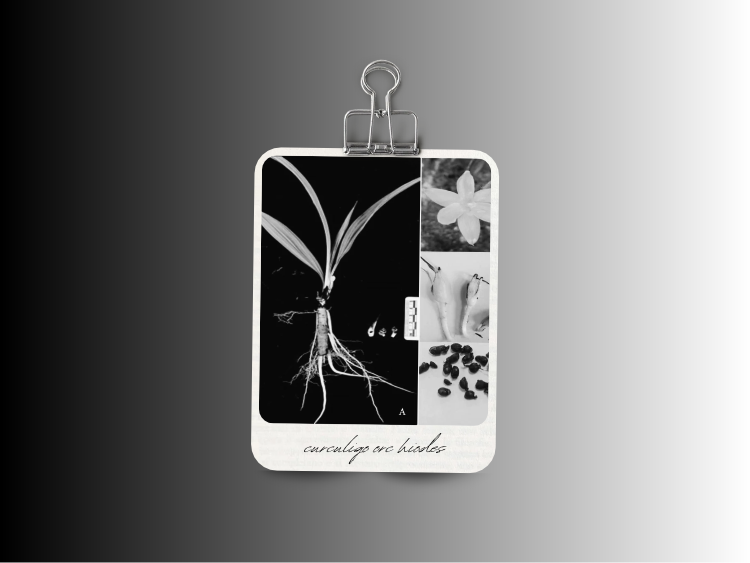
Curculigo Orchioides (Black Musli): Description, Traditional Uses, and Medicinal Properties
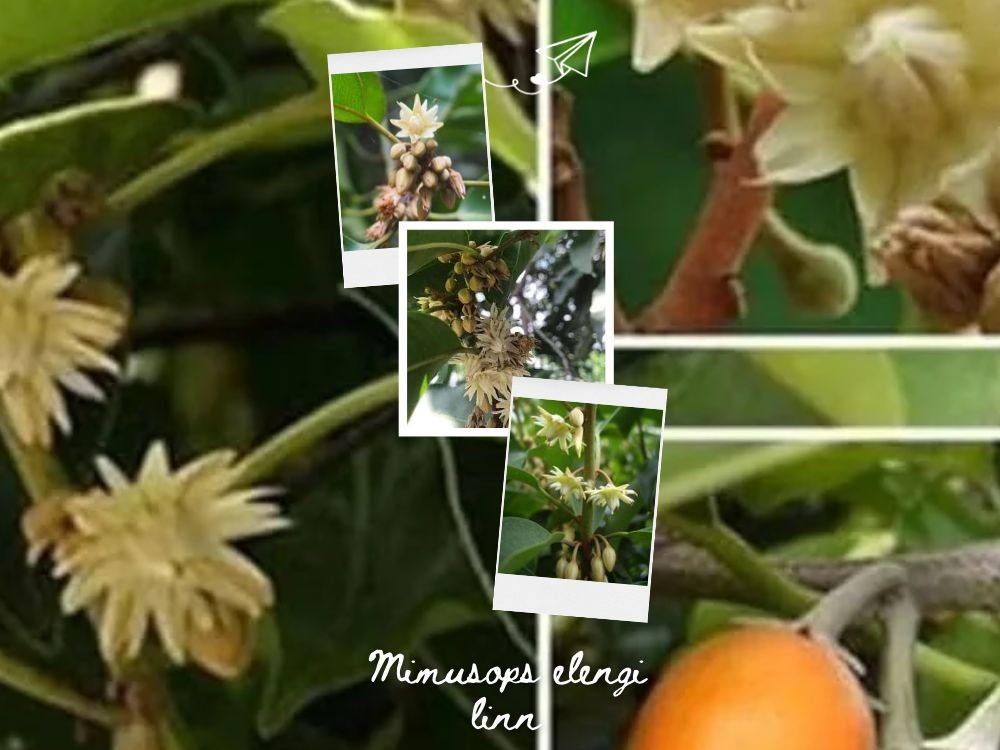
Mimusops elengi Linn. (Mulsari): Traditional Medicinal Uses, Properties, and Benefits
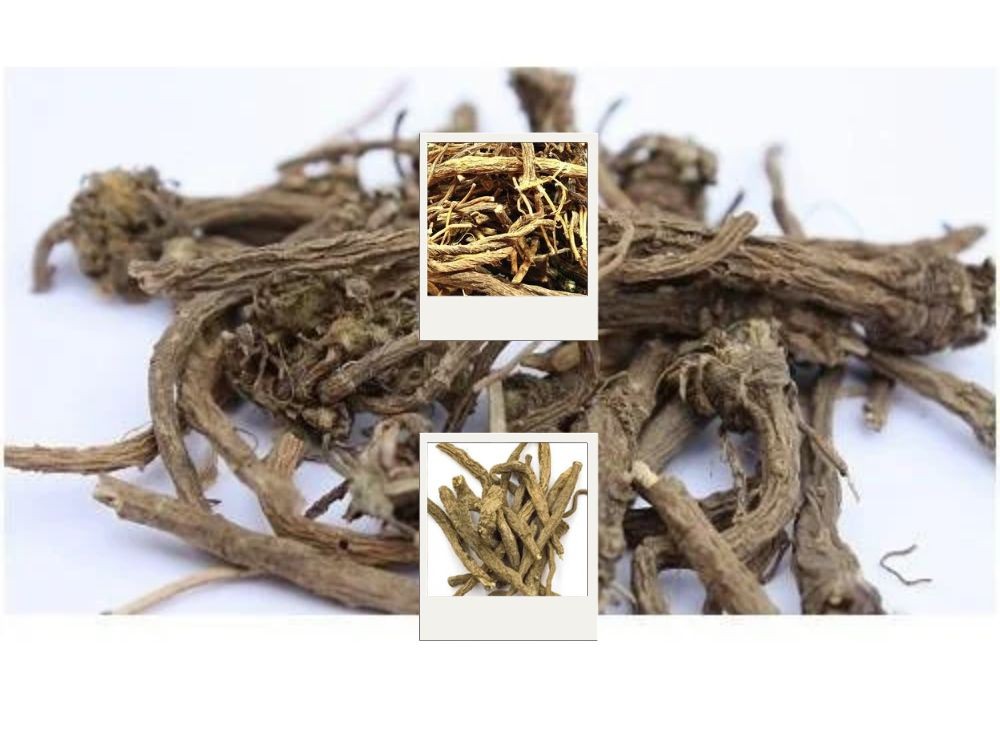
Pyrethrum Indicum (Bozidan): Traditional Medicinal Uses, Properties, and Benefits
Mesua ferrea (Nagkesar): Description, Medicinal Properties, and Traditional Uses