






Almond Oil and Other Medicinal Oils: Traditional Uses and Benefits
Introduction to Almond Oil
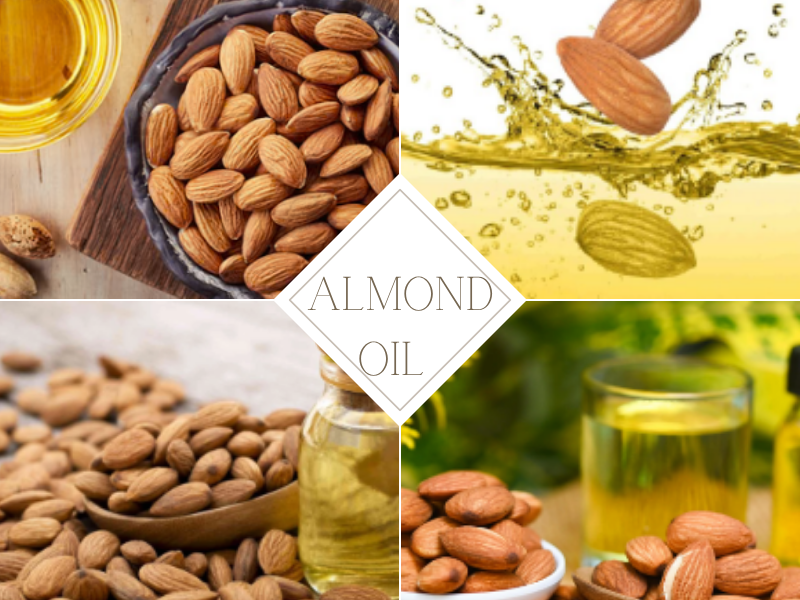
Almond oil is a source of healthy fats and contains approximately 40% oily components, along with proteins, carbohydrates, iron, phosphorus, and calcium. It also contains vitamins, including B vitamins. Almond oil has long been used in traditional medicine and skincare preparations.
The following sections describe the traditional uses of almond oil and several other medicinal oils in Unani medicine. These uses reflect traditional practices and should not be considered substitutes for scientifically established medical treatments.
Traditional Uses of Almond Oil
1. Constipation
Almond oil has traditionally been used as a laxative, similar to castor oil. Historical sources describe it as a remedy for constipation, including long-standing cases. However, the safety and effectiveness of almond oil taken orally for constipation have not been adequately established. Consult a healthcare professional before using it as a laxative.
2. Facial Blemishes and Dark Spots
Almond oil is traditionally applied to the skin to improve its appearance. Gentle application may help moisturize dry skin, but there is insufficient evidence that it removes dark spots or facial blemishes.
3. Burns and Infected Wounds
Traditional accounts describe applying almond oil to burns and wounds after cleaning them. However, oil should not be applied to fresh burns or infected, pus-filled wounds without medical guidance. Burns should be cooled with cool running water, while infected wounds require appropriate medical assessment and treatment.
4. Itching and Skin Irritation
Almond oil has traditionally been used to soothe itching and dry skin. Some traditional preparations combine it with finely ground purified sulfur, known in certain sources as Amla Sar Gandhak.
Such preparations have historically been recommended for ringworm and psoriasis. However, almond oil alone is not an established treatment for fungal infections or psoriasis. Ringworm generally requires an appropriate antifungal medicine, while psoriasis may require specific dermatological treatment.
5. Itching in the Genital and Scrotal Areas
Traditional practices include washing the affected area gently with mild soap and applying almond oil to relieve itching. Although almond oil may moisturize dry external skin, genital itching can result from fungal infections, sexually transmitted infections, dermatitis, or other conditions. Persistent itching, discharge, sores, or pain should be assessed by a healthcare professional. Oils should not be applied inside the genital tract.
6. Inflammation and Swelling
Warm almond oil massage has traditionally been used for inflamed areas and swellings. Gentle massage may temporarily ease muscle tension, but it has not been established as a treatment for significant inflammation or underlying disease. Avoid applying heated oil to swollen, injured, or infected areas without medical advice.
7. Paralysis and Facial Paralysis
A traditional remedy involves massaging the affected area with a blend of almond oil, olive oil, and sesame oil. Massage may provide comfort, but these oils do not treat the underlying causes of paralysis or facial nerve dysfunction.
Sudden facial drooping, weakness in an arm or leg, or difficulty speaking may indicate a stroke and requires emergency medical attention. New facial paralysis should also be evaluated promptly.
8. Eczema
Eczema is an inflammatory skin condition that commonly causes dryness, redness, and itching. Almond oil may help moisturize dry skin in some individuals, although it can cause irritation or allergic reactions, particularly in people with almond allergies. A small patch test is advisable before applying it more widely. Persistent or severe eczema may require medical treatment.
9. Tumors and Abnormal Growths
Some traditional sources claim that massaging almond oil onto early-stage tumors or growths can help them disappear. There is no reliable scientific evidence supporting this claim. Any new, enlarging, painful, or unexplained lump should be examined by a healthcare professional rather than treated with massage or oil.
10. Nervous Tension
Almond oil has traditionally been used for massage to promote relaxation and relieve feelings of physical tension. Massage may provide temporary comfort and relaxation, but almond oil is not an established treatment for neurological or mental health disorders.
11. Baldness and Hair Loss
Traditional remedies for baldness include applying almond oil to the scalp. Some historical accounts also describe mixing almond oil with ash obtained by burning animal skin. This preparation is not recommended because the ash may contain irritating or contaminated material.
Almond oil can condition the hair and help reduce dryness, but there is insufficient evidence that it restores hair growth or reverses baldness. Persistent or patchy hair loss should be assessed to identify its underlying cause.
12. Breast Engorgement
An old traditional remedy describes applying almond oil mixed with ash from a kite or vulture egg to the breasts when milk has become thick or stagnant. This preparation is unsafe and should not be used.
Breast engorgement during breastfeeding is better managed with evidence-based measures and professional guidance. Breast redness, fever, severe pain, or a persistent lump may indicate an infection or another condition requiring medical assessment.
13. Fatigue
Almond oil massage has traditionally been used to relieve bodily fatigue and promote a refreshed feeling. Gentle massage may temporarily reduce muscle tension and improve comfort, but persistent fatigue may have an underlying cause that needs evaluation.
14. Alopecia (Patchy Hair Loss)
Alopecia refers to hair loss that may occur in patches or across the scalp. Almond oil can help condition the scalp and hair, but it has not been proven to treat alopecia or stimulate new hair growth. The appropriate treatment depends on the cause of the hair loss.
15. Scalp Scaling and Crusting
Traditional preparations sometimes combine almond oil with a small amount of boric acid for scalp scaling and crusting. However, boric acid can be harmful if used improperly and should not be applied to the scalp without appropriate professional guidance. Scalp scaling may result from dandruff, eczema, psoriasis, or fungal infection, each of which may require a different treatment.
16. Ringworm
Some traditional remedies recommend mixing purified sulfur into almond oil and applying the mixture to ringworm-affected areas. Ringworm is a fungal infection and generally requires an appropriate antifungal treatment. Unverified homemade mixtures may irritate the skin or delay effective treatment.
17. Psoriasis
Traditional sources also describe sulfur-containing almond oil preparations for psoriasis. However, psoriasis is a chronic inflammatory condition, and almond oil is not a proven cure. It may help moisturize dry skin, but appropriate treatment should be selected according to the severity and location of the condition.
Traditional Uses of Other Medicinal Oils
1. Camphor Oil
Camphor oil has historically been used in topical preparations for itching and other skin complaints. Traditional accounts also associate it with the treatment of influenza and certain infectious conditions.
Camphor-containing products may have limited uses when formulated appropriately for external application, but they do not cure influenza, syphilis, or gonorrhea. Camphor can be toxic if swallowed and may cause serious harm when misused. Use only products specifically formulated for their intended purpose.
2. Clove Oil
Clove oil has traditionally been used in dental preparations because it contains eugenol, a compound with local numbing and antimicrobial properties. It has also been used in liniments for joint discomfort and in traditional preparations for other complaints.
Clove oil is highly concentrated and may irritate or damage the gums and oral tissues if used undiluted. It should not be swallowed or applied directly to the skin without suitable formulation and professional guidance. Evidence does not establish it as a treatment for neurological disorders or convulsions.
3. Cardamom Oil
Cardamom oil has a long history of use in Unani medicine and traditional preparations for digestive complaints. It is traditionally associated with relieving nausea, vomiting, and digestive discomfort. Its aromatic properties have also contributed to its use in preparations intended to promote relaxation and well-being.
Cardamom is commonly used as a culinary spice, but concentrated essential oil is much stronger. Its safety and effectiveness depend on the preparation and method of use. It should not be considered a proven treatment for heart disease or other serious conditions.
Cardamom oil has also been combined traditionally with camphor oil, peppermint oil, and eucalyptus oil in aromatic preparations. Such mixtures should be used cautiously because concentrated oils can irritate the skin and respiratory tract.
4. Amla Oil (Indian Gooseberry Oil)
Amla oil is traditionally used in hair and scalp care. It is associated with strengthening the hair, maintaining scalp condition, and helping reduce dryness. Traditional sources also claim that it supports memory, eyesight, and general mental strength.
Amla oil may help condition the hair, but reliable evidence that it reverses baldness, prevents premature greying, or improves eyesight and memory is limited. Persistent hair loss or changes in vision require appropriate medical assessment.
5. Coriander Oil
Coriander oil has been used in traditional medicine for various complaints. Historical accounts associate it with mental weakness, forgetfulness, and delirium. Its distinctive aroma has also contributed to its use in aromatic preparations and massage oils.
However, coriander oil has not been established as a treatment for delirium, memory disorders, dizziness, or blurred vision. These symptoms may indicate underlying conditions that require medical evaluation.
6. Peppermint Oil
Peppermint oil has a long history of use in traditional medicine, particularly for digestive discomfort. It is associated with relieving gas and bloating, and certain properly formulated peppermint oil products have been studied for symptoms of irritable bowel syndrome.
Its effects depend on the preparation. Peppermint essential oil should not be swallowed directly unless it is part of a product specifically formulated for oral use. It may worsen heartburn or reflux in some people and can irritate the skin if applied undiluted.
7. Cinnamon Oil
Cinnamon oil has traditionally been used in aromatic preparations and topical liniments for muscle and joint discomfort. It has also been associated with nervous weakness and back pain in traditional medical literature.
Although cinnamon contains compounds with antimicrobial activity in laboratory settings, this does not establish cinnamon oil as an effective treatment for infections, kidney disorders, or neurological conditions. Concentrated cinnamon oil can irritate or burn the skin and should not be applied undiluted.
8. Castor Oil
Castor oil is used in various cosmetic and hair-care products. It has also been used as a stimulant laxative to relieve occasional constipation.
Castor oil is not appropriate for every person and should not be given routinely to children or older adults without medical guidance. It can cause abdominal cramps, diarrhea, and dehydration. Pregnant individuals should avoid using it as a laxative or labor-inducing remedy unless specifically directed by a qualified healthcare professional.
9. Chamomile Oil
Chamomile oil has traditionally been used in massage preparations for joint discomfort and muscle tension. Historical Unani practices also associate it with massage for facial paralysis, general paralysis, and hemiplegia.
Massage may provide comfort, but chamomile oil does not treat the underlying causes of paralysis. People with new or worsening weakness require prompt medical assessment. Chamomile may also trigger allergic reactions, especially in people sensitive to related plants.
10. Sandalwood Oil
Sandalwood oil and sandalwood preparations have traditionally been used in Unani medicine and perfumery. Historical sources associate them with headaches, skin complaints, and emotional distress. Sandalwood has also been included in preparations traditionally described as cardiac tonics.
There is insufficient evidence to establish sandalwood oil as a treatment for gonorrhea, ulcers, amnesia, or serious mental health conditions. Unexplained headaches, memory problems, or persistent skin ulcers should be medically evaluated.
11. Eucalyptus Oil
Eucalyptus oil is widely recognized for its strong aroma and is used in some topical and inhaled preparations intended to ease symptoms associated with nasal congestion and coughs. Traditional medicine has also used it for headaches and respiratory complaints.
Eucalyptus oil does not cure the common cold or influenza. It should never be swallowed, as ingestion can cause severe poisoning, including seizures. Concentrated oil may also irritate the skin and airways, and it should be kept away from children.
Conclusion
Almond oil and other plant-derived oils have a long history of use in traditional Unani medicine, skincare, massage, and aromatic preparations. Some oils may help moisturize the skin, condition the hair, or provide temporary comfort when used appropriately. However, traditional claims concerning paralysis, tumors, infections, baldness, and serious internal diseases should not be accepted as established medical facts.
Use only products suitable for the intended purpose, avoid unverified mixtures and concentrated essential oils, and seek qualified medical advice for persistent symptoms or serious conditions.
Recent Posts

Curculigo Orchioides (Black Musli): Description, Traditional Uses, and Medicinal Properties

Mimusops elengi Linn. (Mulsari): Traditional Medicinal Uses, Properties, and Benefits

Pyrethrum Indicum (Bozidan): Traditional Medicinal Uses, Properties, and Benefits






Mesua ferrea (Nagkesar): Description, Medicinal Properties, and Traditional Uses


