



Ammonium Chloride (Naushadar): Traditional Uses and Properties
Description
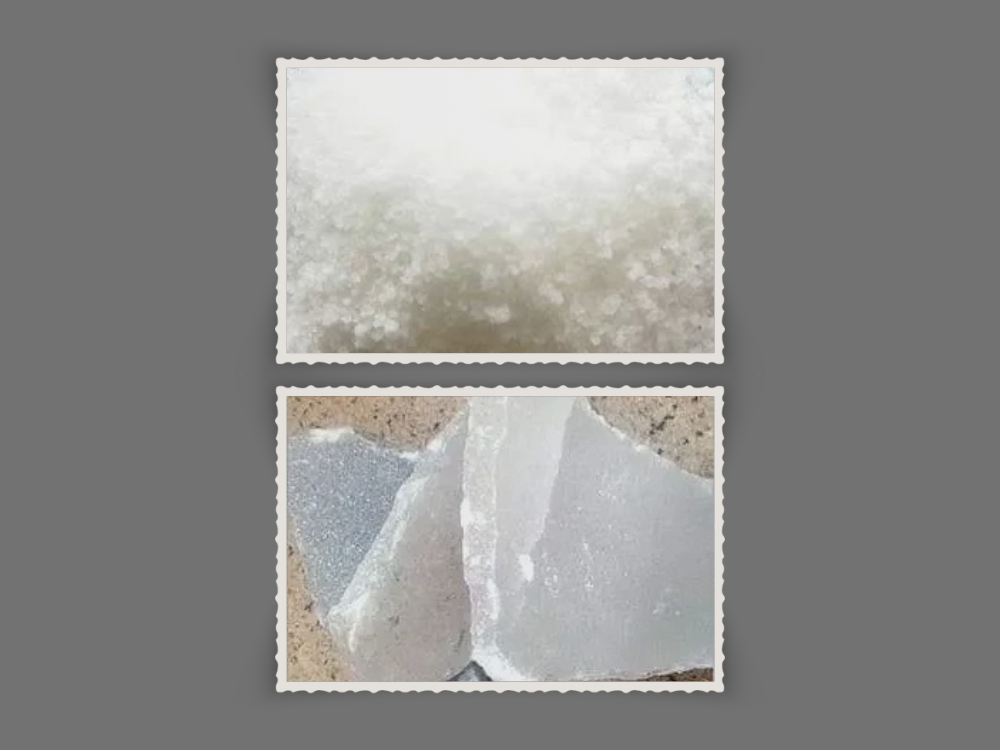
Ammonium chloride, traditionally known as Naushadar, is a chemical salt that has been used in traditional Unani medicine and various industrial applications. According to Lasani Lughat-ul-Adviya, Pandit Thakurdat Sharma, renowned for his association with Amrit Dhara, describes three different sources of Naushadar.
Types of Naushadar Based on Their Sources
1. Naushadar Ma'dani (Mineral): This variety occurs naturally in the earth as hard, solid pieces. It is extracted through digging and has historically been found in regions such as Africa.
2. Naushadar Daryai (River or Spring-Derived): This type is obtained from natural springs. The water is evaporated to extract the dissolved substance.
3. Naushadar Masnoo'i (Artificial or Synthetic): This variety is manufactured through chemical processes. Naushadar can also be produced from urea through appropriate chemical methods.
Commercial Forms of Naushadar
Naushadar is available in several physical forms in traditional markets:
Naushadar Tikkiya: Small disc-shaped pieces or tablets.
Naushadar Theekri: Irregular fragments resembling broken pieces of an earthenware pot.
Danda Naushadar: Long, thick, cylindrical or rod-shaped pieces.
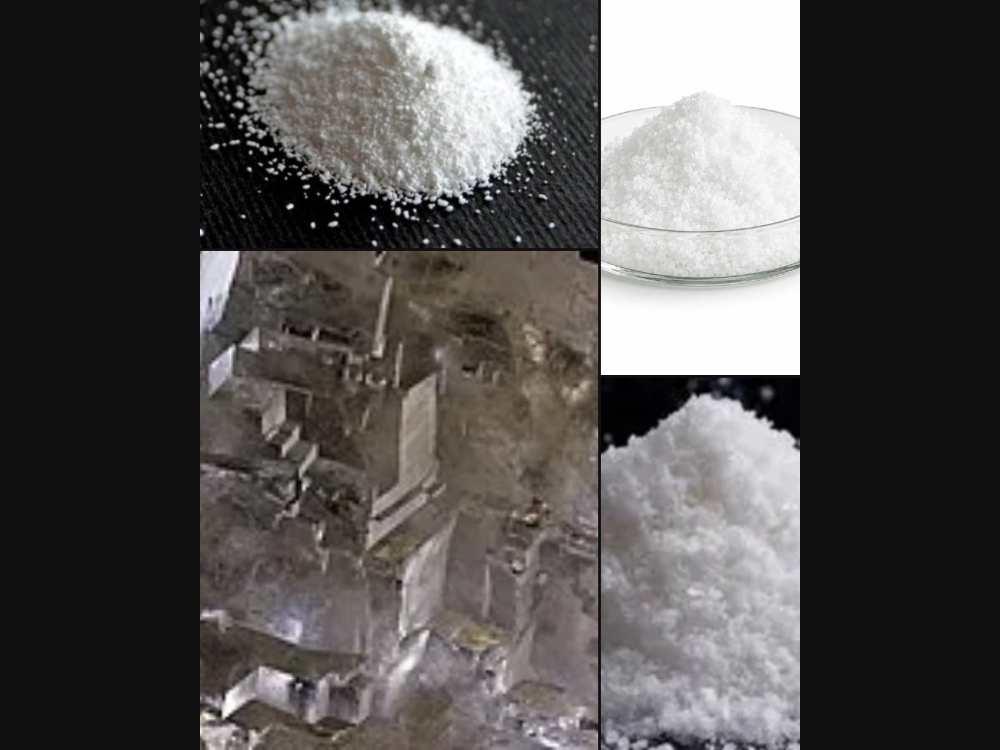
Naushadar Qalami (Crystalline): Transparent, lustrous crystals resembling Sat-e-Pudina (menthol crystals). This variety is traditionally considered particularly valuable.
Temperament
According to traditional Unani medicine, Naushadar is considered hot and dry in the third degree.
Medicinal Properties and Actions
Traditional Unani literature attributes several medicinal properties to Naushadar, including:
Diuretic (Mudirr-e-Baul): Traditionally used to promote urination.
Cleansing Agent (Jali): Considered useful for cleansing applications.
Attenuant (Mulattif): Traditionally believed to make thick or viscous humors thinner.
Resolvent (Muhallil-e-Awram): Used in traditional preparations for swellings.
Desiccant: Traditionally considered to have drying properties.
Antidote (Tiryaq): Historically regarded as a substance that counteracts certain poisons.
Medicinal Uses of Naushadar
For Urinary Problems and Kidney Stones
Due to its traditionally recognized diuretic properties, Naushadar has been mentioned in Unani literature for dropsy (istisqa) and stones affecting the kidneys or urinary bladder.
For Cough and Asthma
Naushadar is traditionally described as an expectorant and has been used in formulations for coughs and asthma. Its historical use is associated with helping clear respiratory secretions.
For Eye Conditions
Because of its cleansing (jali) properties, Naushadar has historically been incorporated into individual or compound preparations for certain eye conditions, including corneal opacities (jala, phool, and dhund) and the early stages of cataracts (nazool-ul-ma).
For Skin Conditions
Naushadar is traditionally used externally in the form of a paste (tila or zimad). Its cleansing and resolvent properties have led to its historical application for various skin conditions, including:
Ringworm (qooba).
Vitiligo (baras).
Alopecia or hair loss (ganj).
Wounds.
Skin blemishes and discoloration.
For Liver and Stomach Problems
Traditional Unani medicine describes Naushadar as beneficial for liver and stomach complaints because of its attenuating and resolvent properties. It has historically been used for liver inflammation, enlargement of the liver (azeem-ul-kabid), and weakness of the liver or stomach.
It is also traditionally associated with relieving abdominal pain and bloating.
For Nasal Congestion and Headaches
Traditional references mention the use of Naushadar powder for nasal congestion accompanied by headaches. Its application was believed to help clear nasal passages and relieve associated discomfort.
For Stings and Bites
Naushadar has historically been applied to the affected areas following stings from wasps, scorpions, and other venomous creatures. However, it should not be relied upon as a treatment for venomous bites or stings.
Specific Benefits
Traditionally regarded as an antidote against certain poisons.
Historically used as a liver tonic.
Harmful Effects
According to traditional references, Naushadar is a potent substance that may irritate internal organs. Improper use or excessive quantities can be harmful.
Corrective (Musleh)
Traditional Unani references recommend oily substances or milk as corrective agents (Musleh) to reduce its harmful effects.
Dosage
The traditional Unani dosage is described as:
- 2 ratti to 1 masha (approximately 250 mg–1 gram).
Note: The conversion uses approximately 125 mg per ratti and 1 gram per masha.
Safety Precautions
Ammonium chloride is a chemical compound, and its traditional medicinal applications should not be considered proven medical treatments. It can cause adverse effects, particularly when taken in excessive quantities or without proper medical supervision.
Do not consume Naushadar as a home remedy.
Avoid applying it directly to the eyes or damaged skin.
Do not use it as a substitute for medical treatment for kidney stones, liver disease, asthma, or poisoning.
Scorpion stings and suspected poisoning require immediate professional medical attention.
Recent Posts
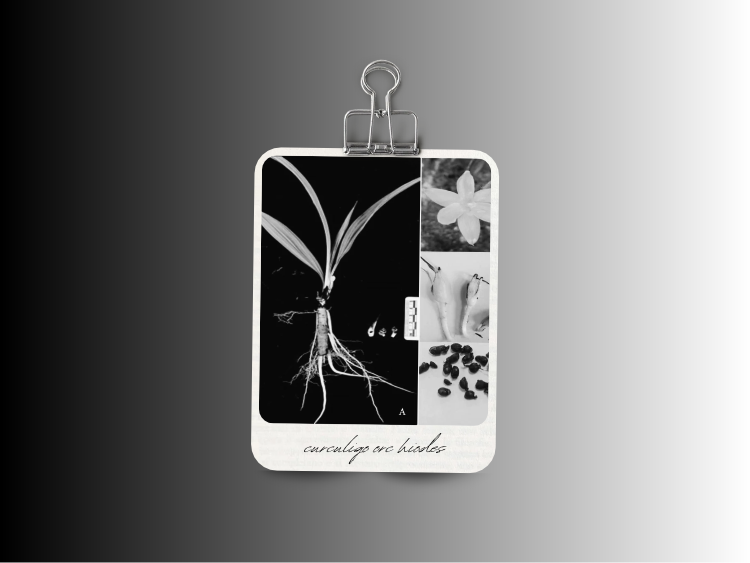
Curculigo Orchioides (Black Musli): Description, Traditional Uses, and Medicinal Properties
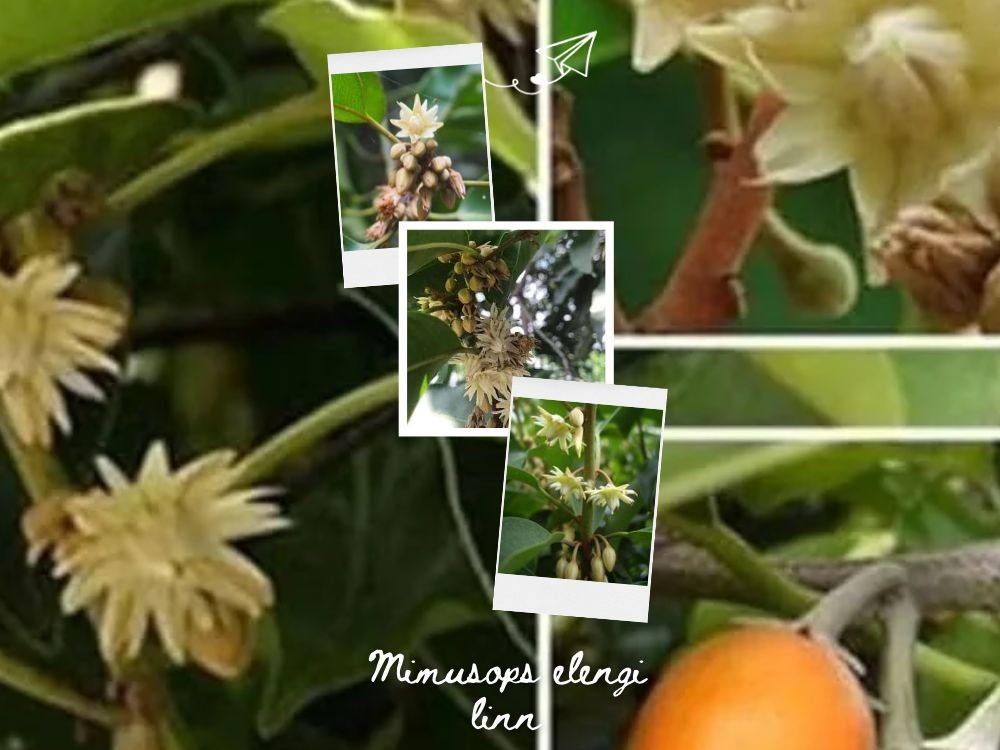
Mimusops elengi Linn. (Mulsari): Traditional Medicinal Uses, Properties, and Benefits
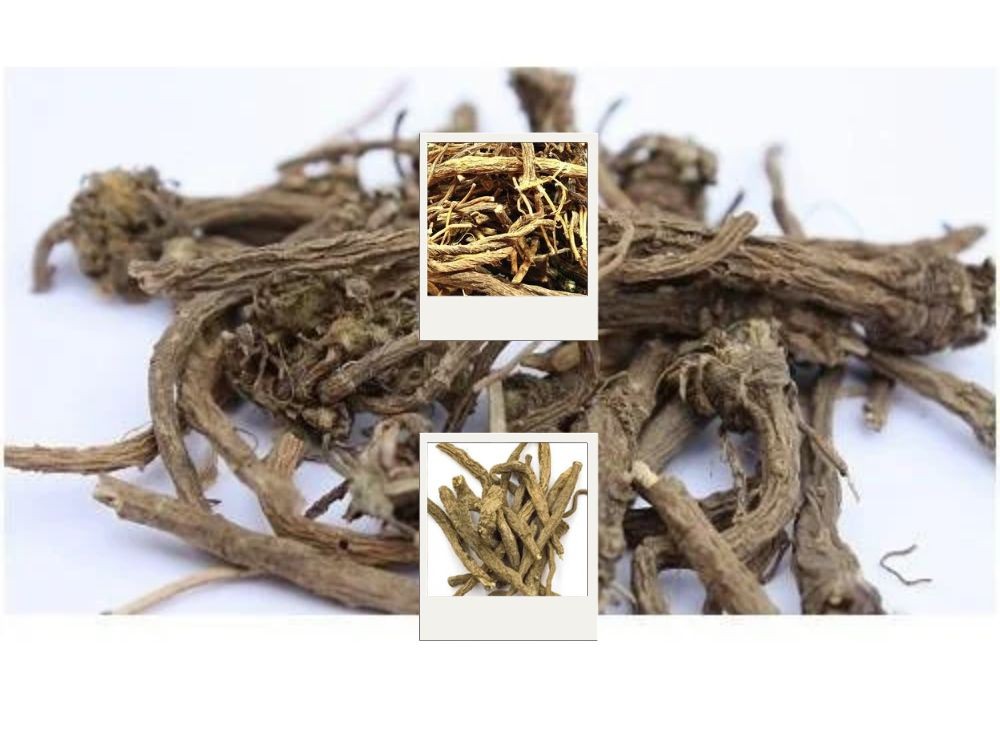
Pyrethrum Indicum (Bozidan): Traditional Medicinal Uses, Properties, and Benefits
Mesua ferrea (Nagkesar): Description, Medicinal Properties, and Traditional Uses