






Asparagus officinalis: Medicinal Properties, Traditional Uses, and Health Benefits
Introduction
Asparagus officinalis is a medicinal and edible plant belonging to the Liliaceae family. It is traditionally valued in Unani medicine for its aphrodisiac, diuretic, deobstruent, and resolvent properties. Both its roots and seeds are used in traditional medicinal preparations.
The plant is particularly recognized for its traditional applications in supporting sexual health, promoting urination, and addressing certain urinary, kidney, liver, and menstrual complaints. Its tender shoots are also consumed as a vegetable and are appreciated for their nutritional value.
Botanical Description and Habitat
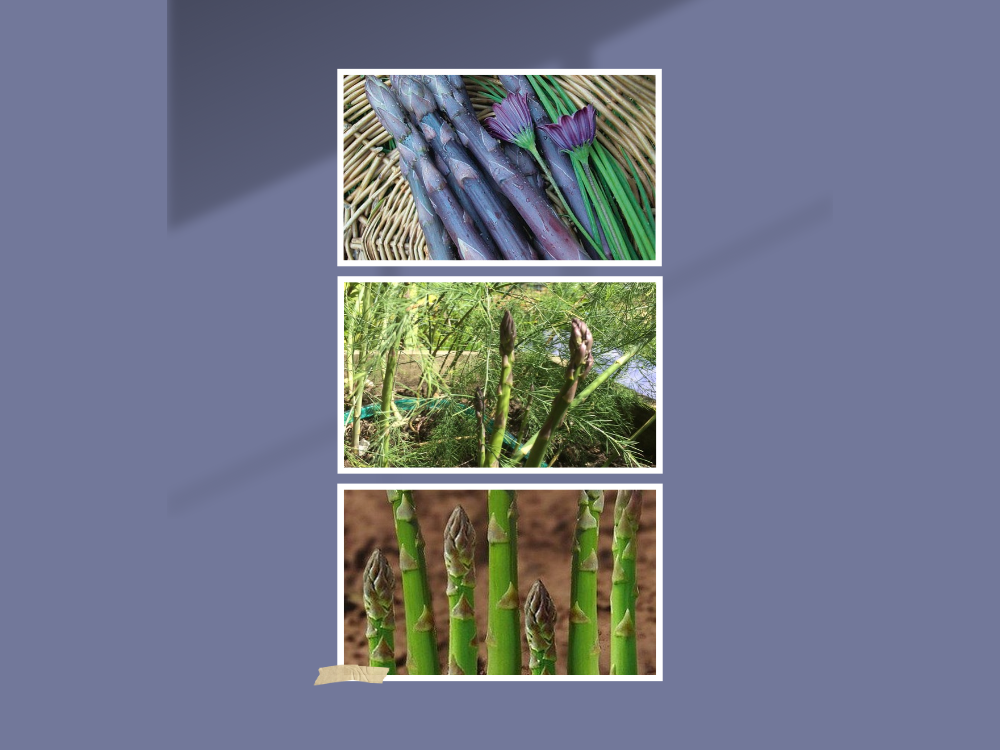
Asparagus officinalis is a shrub-like plant belonging to the Liliaceae family. It is cultivated in Northern India and is recognized for its distinctive foliage, fruits, and medicinally valuable roots and seeds.
Leaves
The leaves resemble those of fennel (Badiyan), giving the plant a characteristic appearance.
Fruits and Seeds
The fruits are round in shape. Each fruit contains three hard, triangular seeds. The seeds are also used in traditional medicine and are commercially known as Halyoon in herbal markets.
Roots
The roots are another important medicinal part of the plant. They are used in traditional preparations because of their attributed therapeutic properties.
Edible Shoots
The tender shoots of asparagus are prepared and consumed as a vegetable. They are valued as an edible part of the plant in addition to its traditional medicinal applications.
Chemical Constituents
The roots of Asparagus officinalis contain several chemical constituents, including:
Asparagine
Greenish-yellow resin
Natural sugars
These constituents contribute to the plant's chemical composition and medicinal significance.
Temperament (Mizaj)
According to Unani medicine, Asparagus officinalis has a hot and dry temperament of the second degree.
Medicinal Properties and Actions
In traditional Unani medicine, Asparagus officinalis is associated with several therapeutic actions:
Semen-generative (Muwallid-e-Mani): Traditionally believed to support semen production.
Aphrodisiac (Muqawwi-e-Bah): Used in preparations intended to improve sexual potency.
Resolvent (Muhallil): Traditionally believed to help resolve accumulated substances and swellings.
Deobstruent (Muftah-e-Sudad): Used to relieve certain internal obstructions.
Diuretic (Mudir-e-Bawl): Traditionally used to promote urine production.
Emmenagogue (Mudir-e-Hayd): Traditionally believed to stimulate menstrual flow.
Urinary Stone Expeller: Historically used in preparations intended to help eliminate kidney and bladder stones.
Traditional Medicinal Uses of Asparagus officinalis
Supporting Sexual Health and Potency
One of the most recognized traditional uses of Asparagus officinalis is its aphrodisiac property. In Unani medicine, it is considered a sexual tonic and is included in formulations intended to improve sexual potency and support reproductive health.
Its semen-generative property (Muwallid-e-Mani) also makes it a traditional ingredient in preparations associated with semen production.
Menstrual Disorders
Asparagus officinalis is traditionally used for certain menstrual complaints because of its emmenagogue properties. It is recommended in traditional medicine for:
Amenorrhea: Absence or suppression of menstrual periods.
Dysmenorrhea: Painful menstruation.
Irregular menstrual flow: Traditionally used to encourage menstrual discharge.
These applications are based on traditional Unani practices and are not established treatments for menstrual disorders.
Traditional Use During Placental Expulsion
Traditional Unani literature also mentions the use of asparagus preparations to facilitate the expulsion of the placenta after childbirth.
However, retained placenta is a potentially life-threatening obstetric emergency. This herb must never be used to induce placental expulsion or replace emergency medical care.
Kidney and Bladder Health
Due to its traditionally recognized diuretic and deobstruent properties, asparagus is used in preparations intended to promote urination and support urinary function.
It has also historically been recommended for kidney and bladder stones. However, there is insufficient clinical evidence to establish that it can dissolve or expel urinary stones.
Liver Obstructions and Jaundice
In Unani medicine, Asparagus officinalis is traditionally used for certain liver-related complaints. Its resolvent and deobstruent properties are believed to help clear obstructions in the liver and kidneys.
It is also mentioned in traditional preparations for jaundice and disorders associated with excessive phlegm (Balgham).
Jaundice can indicate an underlying liver, gallbladder, or blood disorder and requires proper medical evaluation.
Phlegmatic Disorders
Because of its traditional warming, resolvent, and deobstruent properties, asparagus is also used in certain preparations for phlegmatic (Balghami) disorders. It is believed to help resolve accumulated substances and relieve internal obstructions.
Specific Benefit
Aphrodisiac (Muqawwi-e-Bah): Asparagus officinalis is particularly recognized in Unani medicine for its traditional use as a sexual tonic. It is believed to support sexual potency and is included in various traditional formulations for reproductive health.
Traditional Dosage (Miqdar-e-Khurak)
The traditionally mentioned dosage of Asparagus officinalis is:
3 to 5 mashas (approximately 3 to 5 grams).
The appropriate amount may vary depending on the medicinal preparation and individual circumstances. This historical dosage should not be considered an established safe or effective dose.
Safety Precautions
Although Asparagus officinalis has a long history of traditional use, its medicinal effectiveness for treating sexual dysfunction, menstrual disorders, jaundice, and kidney or bladder stones has not been sufficiently established through clinical research.
Avoid using medicinal preparations to stimulate menstruation or induce placental expulsion during pregnancy or after childbirth.
Consult a healthcare professional before using concentrated herbal preparations, particularly if taking diuretics or other medications.
Seek medical attention for urinary stones, jaundice, or persistent menstrual irregularities rather than relying on herbal remedies.
Botanical identification note: The supplied traditional description associates this entry with Asparagus officinalis. However, the combination of traditional names, medicinal uses, and botanical characteristics should be verified, as some historical Unani descriptions of Halyoon may refer to other asparagus species, particularly Asparagus racemosus.
Recent Posts

Curculigo Orchioides (Black Musli): Description, Traditional Uses, and Medicinal Properties

Mimusops elengi Linn. (Mulsari): Traditional Medicinal Uses, Properties, and Benefits

Pyrethrum Indicum (Bozidan): Traditional Medicinal Uses, Properties, and Benefits






Mesua ferrea (Nagkesar): Description, Medicinal Properties, and Traditional Uses


