






Chicory Root and Chickpea Seeds: Traditional Medicinal Properties and Uses
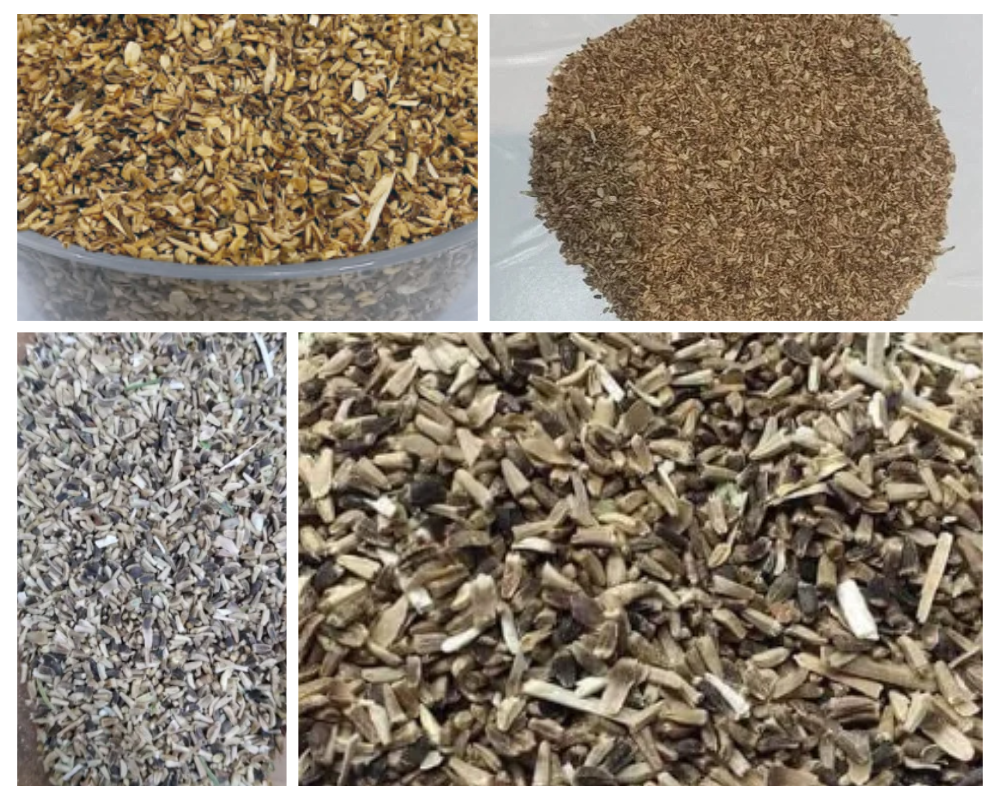
1. Chicory Root
Introduction
Chicory root is a traditional medicinal ingredient valued in Unani medicine for its effects on digestion, urinary function, and various inflammatory conditions. It is particularly recognised for its use in traditional remedies for phlegmatic fevers, internal swellings, and conditions associated with obstructions in the body.
Temperament
According to traditional Unani medicine, chicory root has the following temperament:
Hot: First degree
Dry: Second degree
Therapeutic Properties and Actions
Chicory root is traditionally recognised for several medicinal properties, including:
Resolvent (Muhallil-e-Awram): Traditionally used to reduce swellings and inflammation.
Diuretic: Promotes the production and flow of urine.
Emmenagogue: Traditionally used to promote menstrual flow.
Humour-attenuating: Believed to reduce excessive or thick bodily humours.
Deobstruent (Mufattih): Helps relieve internal obstructions.
Cleansing and purifying: Traditionally used to cleanse the body.
Traditional Medicinal Uses of Chicory Root
Phlegmatic Fevers
Chicory root is traditionally used for phlegmatic fevers because of its Munzij (maturative) properties. In Unani medicine, maturative substances are believed to help prepare and balance the accumulated humours in the body.
Urinary Disorders
Due to its diuretic properties, chicory root is traditionally used to promote urine production and support the removal of excess fluid from the body.
Menstrual Disorders
Chicory root is also traditionally used to encourage menstrual flow. Its emmenagogue properties make it a component of traditional preparations for certain menstrual complaints.
Internal Swellings and Liver Inflammation
Its resolvent properties are traditionally considered beneficial for internal swellings, particularly those associated with inflammation of the liver and other organs.
Joint Pain
Chicory root is used in traditional Unani formulations for joint pain, known as Waj' al-Mafasil. Its deobstruent and humour-attenuating properties are believed to contribute to its traditional applications.
Dropsy and Fluid Retention
Chicory root is also mentioned as a traditional remedy for dropsy (Istisqa), a historical term associated with abnormal accumulation of fluid in the body. Its diuretic properties are considered useful in this context.
Certain Types of Fevers
In addition to phlegmatic fevers, chicory root is traditionally used for certain other types of fever, particularly those associated with disturbances in bodily humours.
Specific Therapeutic Benefit
The principal traditional benefit of chicory root is its use in managing phlegmatic fevers due to its maturation (Munzij) properties.
Dosage
The traditional dosage mentioned for chicory root is 7 grams. However, the original dosage reference does not specify the unit clearly, so this measurement should be verified before use.
2. Chickpea Seeds (Bazar Alhandba)
Introduction
Chickpea seeds, referred to as Bazar Alhandba in the traditional medicinal text, are valued in Unani medicine for their deobstruent, diuretic, and bile- and blood-calming properties.
They are traditionally used in preparations intended to support liver and spleen function and address certain disorders associated with obstructions and excessive accumulation of fluid.
Temperament
According to traditional Unani medicine, chickpea seeds have the following temperament:
Cold: Second degree
Dry: Second degree
Therapeutic Properties and Actions
Chickpea seeds are traditionally recognised for their following medicinal actions:
Sedative: Traditionally believed to calm disturbances associated with bile and blood.
Deobstruct: Help relieve internal obstructions.
Diuretic: Promote the production and flow of urine.
Beneficial for bilious fevers: Traditionally used in preparations for fevers associated with excessive bile.
Traditional Medicinal Uses of Chickpea Seeds
Liver Disorders
Chickpea seeds are traditionally used for various liver complaints. Their deobstructive properties are believed to help relieve obstructions affecting the liver and support its normal functioning.
Spleen Disorders
In Unani medicine, chickpea seeds are also used for spleen-related complaints. They are included in traditional preparations intended to address obstructions and disturbances affecting the spleen.
Obstructive Jaundice
Because of their traditionally recognised deobstruent properties, chickpea seeds are used in remedies for obstructive jaundice. This condition involves impaired bile flow, resulting in the accumulation of bilirubin in the body.
Ascites (Istisqa)
Chickpea seeds are traditionally used for ascites, a condition characterised by fluid accumulation in the abdominal cavity. Their diuretic properties are considered beneficial in traditional formulations for this complaint.
Hepatic Obstructions
The seeds are also used in traditional medicine for hepatic obstructions. Their deobstructive action is believed to help clear blockages affecting the liver and bile pathways.
Liver Inflammation (Hepatitis)
Chickpea seeds are mentioned in traditional Unani preparations for liver inflammation, including hepatitis. They are administered in different forms as part of traditional remedies for liver-related conditions.
Bilious Fevers
Due to their traditionally recognised bile-calming properties, chickpea seeds are also used in preparations for bilious fevers.
Traditional Methods of Preparation
Chickpea seeds can be administered in several forms in traditional Unani medicine:
Decoction (Matbukh): Prepared by boiling the seeds in water to extract their soluble constituents.
Infusion (Naqoo): Prepared by soaking the seeds in water for a specified period.
Syrup (Sharbat): Prepared as a liquid medicinal formulation.
Emulsion (Sheera): Prepared by processing the seeds into an emulsion for medicinal administration.
The preparation method depends on the intended traditional application.
Dosage in Traditional Medicine
The recommended traditional dosages are:
Emulsion (Sheera): Three to five mashas (approximately 3.75–6.25 grams).
Other preparations: Five to seven mashas (approximately 6.25–8.75 grams).
The dosage may vary according to the preparation and traditional formulation.
Safety Precautions
The medicinal properties and applications described for chicory root and chickpea seeds are based on traditional Unani practices and should not be considered established treatments for medical conditions.
Conditions such as hepatitis, obstructive jaundice, ascites, persistent fever, and liver or spleen inflammation require proper medical diagnosis and treatment. These remedies should not replace prescribed medicines or medical care.
Chicory preparations may not be suitable for everyone, particularly people with allergies to plants in the daisy family. Medicinal use during pregnancy, breastfeeding, or alongside other medicines should be discussed with a qualified healthcare professional. The traditional dosages should not be followed without verifying the plant identity, preparation, and appropriate amount.
Recent Posts

Curculigo Orchioides (Black Musli): Description, Traditional Uses, and Medicinal Properties

Mimusops elengi Linn. (Mulsari): Traditional Medicinal Uses, Properties, and Benefits

Pyrethrum Indicum (Bozidan): Traditional Medicinal Uses, Properties, and Benefits






Mesua ferrea (Nagkesar): Description, Medicinal Properties, and Traditional Uses


