



Ghazah-e-Husn: Traditional Beauty Preparation
Introduction
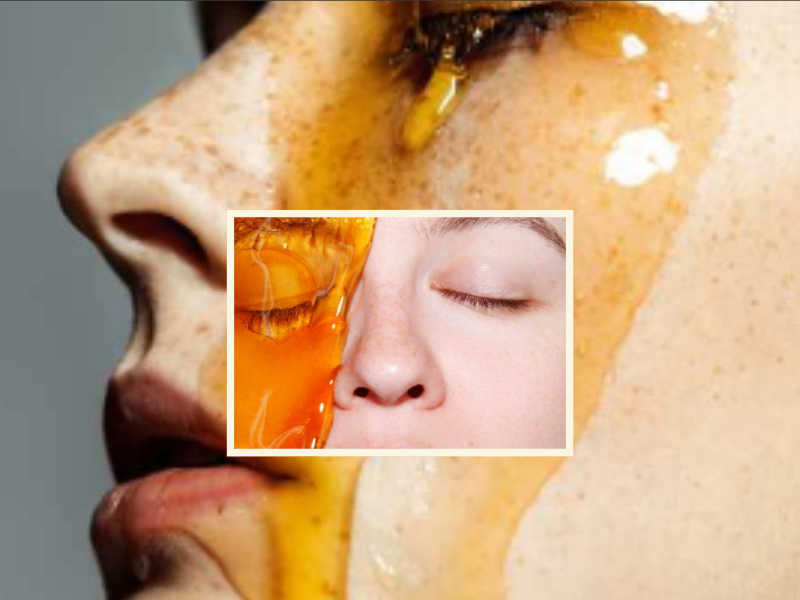
Ghazah-e-Husn, meaning “Beauty Preparation,” is a traditional cosmetic formulation historically promoted for improving the appearance of the skin and enhancing the complexion. It was advertised as a fragrant facial powder or beauty balm intended to help reduce the appearance of blemishes, spots, freckles, and pimples while leaving the skin feeling refreshed and pleasantly scented.
Historical advertisements associated the product with Qazi Maqbool Ahmed & Co. in Lahore and Dawakhana Dar-ul-Ilaj in Gujrat, where it was marketed under the name Husn. The original source contains incomplete price information, so the historical prices cannot be confirmed.
Ingredients
The traditional formulation lists the following ingredients:
Ingredient
Historical quantity
Approximate metric equivalent
Husn-e-Yusuf (identified in the source as iris root or lily bulb)
2.5 tolas
29.2 g
Sodium bicarbonate
2.75 tolas
32.1 g
Henna leaves
2.5 tolas
29.2 g
Almond kernels
2.5 tolas
29.2 g
White sandalwood
2.5 tolas
29.2 g
Gul-e-Har Singhar (night-flowering jasmine/Parijat flowers)
2.5 tolas
29.2 g
Sathi rice
2.5 tolas
29.2 g
Citron peel (Post-e-Turanj)
5 tolas
58.3 g
Gul-e-Mu'asfar (safflower petals)
2.5 tolas
29.2 g
Pumpkin seeds
2.5 tolas
29.2 g
Red sandalwood
2.5 tolas
29.2 g
Kashmiri saffron
9 mashas
8.75 g
Motia (jasmine) essence
3 mashas
2.92 g
Nagesar essence
3 mashas
2.92 g
Rose essence
3 mashas
2.92 g
Note: Traditional ingredient names can vary by region and source. The exact botanical identity and cosmetic suitability of each ingredient should be verified before preparing or using the formulation.
Traditional Preparation Method
The historical instructions describe grinding the powdered ingredients, excluding the almond kernels and aromatic essences, into a fine powder and passing the mixture through a fine cloth. The almond kernels are then ground separately until smooth and incorporated into the powder. Finally, the aromatic essences are added, and the ingredients are mixed thoroughly to produce a uniform preparation for storage.
This is a description of the historical method, not a guarantee that the resulting mixture is suitable or safe for facial application.
Traditional Method of Application
According to the original description, the powder was mixed with milk after bathing to form a paste. The paste was then applied to the face and left to dry before being washed off.
Because the historical formulation includes multiple botanical ingredients, aromatic essences, and sodium bicarbonate, it should not be assumed to be suitable for every skin type. A homemade mixture may cause irritation or an allergic reaction, particularly on sensitive or damaged skin.
Traditionally Claimed Benefits
Ghazah-e-Husn was promoted in historical advertising for the following cosmetic purposes:
Improving the appearance of a dull or uneven complexion
Reducing the visible appearance of facial spots and blemishes
Helping improve the appearance of freckles and marks
Cleansing and refreshing the skin
Providing a pleasant floral fragrance
Enhancing the appearance of the skin after bathing
These benefits reflect the product's historical marketing claims. There is insufficient reliable evidence to conclude that this particular formulation removes acne, wrinkles, freckles, or pigmentation, or that it permanently changes skin tone.
Historical Advertisement and Beauty Claims
The original advertisement described beauty as a cherished quality and presented Ghazah-e-Husn as a luxurious preparation for both women and men. It emphasized the use of aromatic ingredients, promising a fragrant experience and a radiant-looking complexion.
The advertisement also claimed that the product could eliminate various facial marks and leave the skin glowing and scented for an extended period. Such statements should be understood as promotional language from the historical source rather than verified outcomes.
Skin Safety and Precautions
Before using a traditional cosmetic preparation, consider the following precautions:
Verify the identity, purity, and quality of every ingredient.
Avoid applying unknown or untested mixtures near the eyes or to broken, inflamed, or irritated skin.
Fragrances and botanical ingredients may trigger allergic reactions or contact dermatitis.
Sodium bicarbonate can disrupt the skin's natural pH and may cause irritation, especially with frequent use.
Test a properly formulated cosmetic on a small area of skin first, and discontinue use if redness, burning, itching, or swelling occurs.
Persistent acne, dark patches, or other skin changes may require assessment by a qualified dermatologist. A product's traditional reputation does not establish its safety or eff
Recent Posts
Curculigo Orchioides (Black Musli): Description, Traditional Uses, and Medicinal Properties
Mimusops elengi Linn. (Mulsari): Traditional Medicinal Uses, Properties, and Benefits
Pyrethrum Indicum (Bozidan): Traditional Medicinal Uses, Properties, and Benefits
Mesua ferrea (Nagkesar): Description, Medicinal Properties, and Traditional Uses