



Gossypium Herbaceum (Cotton Plant): Botanical Description, Chemical Composition and Uses
Introduction
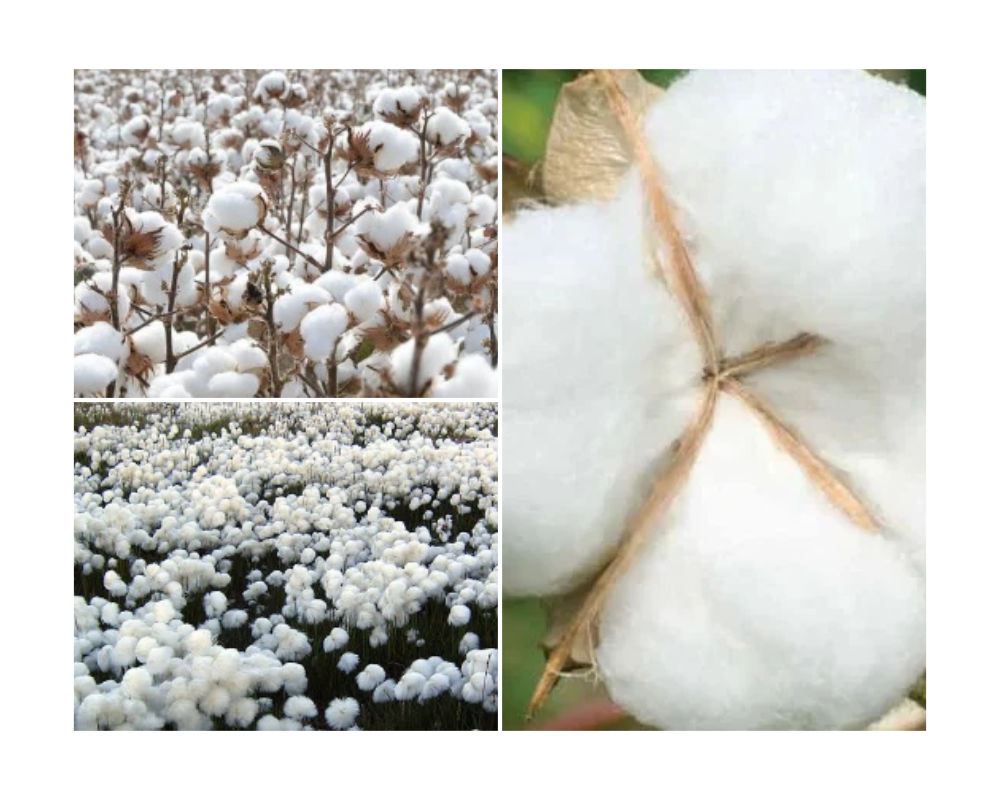
Gossypium herbaceum, commonly known as the cotton plant, is a well-known plant found in Pakistan, India, and other warm regions of the world. It is cultivated primarily for its valuable cotton fibres, which are widely used in the textile industry. Besides its economic importance, different parts of the plant, including its roots, bark, leaves, flowers, and seeds, have various traditional and industrial applications.
The cotton plant exists in several varieties and is valued for its useful fibres and chemical constituents. Almost every part of this plant serves a particular purpose.
Botanical Description
The cotton plant is a familiar species that can grow up to approximately five feet in height. Its leaves are distinctive, divided into three to seven lobes that remain joined at the base. Their overall shape resembles the palm of a human hand.
Flowers
The flowers are bell-shaped and appear in different colours, including yellow, red, and purple. They are an important part of the plant's reproductive structure and contain a natural glucoside known as gossypetin.
Fruit and Seeds
The plant produces triangular pods that grow in clusters. When mature, these pods contain soft, white cotton fibres. Each pod generally contains five to seven seeds embedded within the cotton.
The seeds are separated from the cotton fibres through a mechanical process known as ginning. These seeds are commonly called Banola (cottonseeds) and are used for obtaining cottonseed oil and other industrial products.
Habitat and Distribution
Gossypium herbaceum grows in Pakistan, India, Egypt, and various other warm countries. It thrives in suitable warm climatic conditions and is widely cultivated for its commercial cotton production.
Chemical Composition
Different parts of the cotton plant contain several chemical constituents, including oils, resins, glucosides, starch, and other organic substances.
Bark and Pod Husks
The bark and husks of the cotton pods contain:
Starch
Yellow-coloured resin
Glucoside
Non-volatile oil
Small quantities of tannin
Seeds
Cottonseeds, commonly known as Banola, contain approximately 25–30% non-volatile oil. They also contain albuminous substances and approximately 30% lignin.
Cottonseed oil contains a naturally occurring substance called gossypol, which is an important chemical constituent of the cotton plant.
Roots
The roots contain a yellow-coloured resin identified in the source description as dihydrobenzoic phenol. This constituent contributes to the plant's chemical composition.
Flowers
The flowers contain a glucoside known as gossypetin, a naturally occurring plant compound.
Cotton Fibres
The cotton fibres are also reported to contain approximately 10% non-volatile oil, which makes them difficult to wet with water. This characteristic influences the physical behaviour of the fibres during processing.
Uses and Importance of the Cotton Plant
The cotton plant is valuable because of its wide range of applications. Its fibres are primarily used in textile manufacturing, while its seeds are processed to obtain cottonseed oil. The remaining plant materials also have various agricultural and industrial applications.
Different parts of the plant are utilised for different purposes, making cotton an economically important crop in many warm regions.
Conclusion
Gossypium herbaceum is an important agricultural and economically valuable plant known for its cotton fibres, seeds, and diverse chemical constituents. Its bark, roots, flowers, pod husks, and seeds contain various natural substances, including gossypol and gossypetin. The plant plays an essential role in textile production and the cottonseed oil industry, demonstrating the practical value of its different parts.
Safety Note
Cottonseed and cottonseed oil require appropriate processing before consumption because naturally occurring gossypol can be toxic, particularly in unrefined cottonseed products. Traditional medicinal use of cotton plant parts should not be assumed safe without proper evidence and professional guidance.
Recent Posts
Curculigo Orchioides (Black Musli): Description, Traditional Uses, and Medicinal Properties
Mimusops elengi Linn. (Mulsari): Traditional Medicinal Uses, Properties, and Benefits
Pyrethrum Indicum (Bozidan): Traditional Medicinal Uses, Properties, and Benefits
Mesua ferrea (Nagkesar): Description, Medicinal Properties, and Traditional Uses