






Healing with Vegetables: Traditional Medicinal Uses and Health Benefits part 3
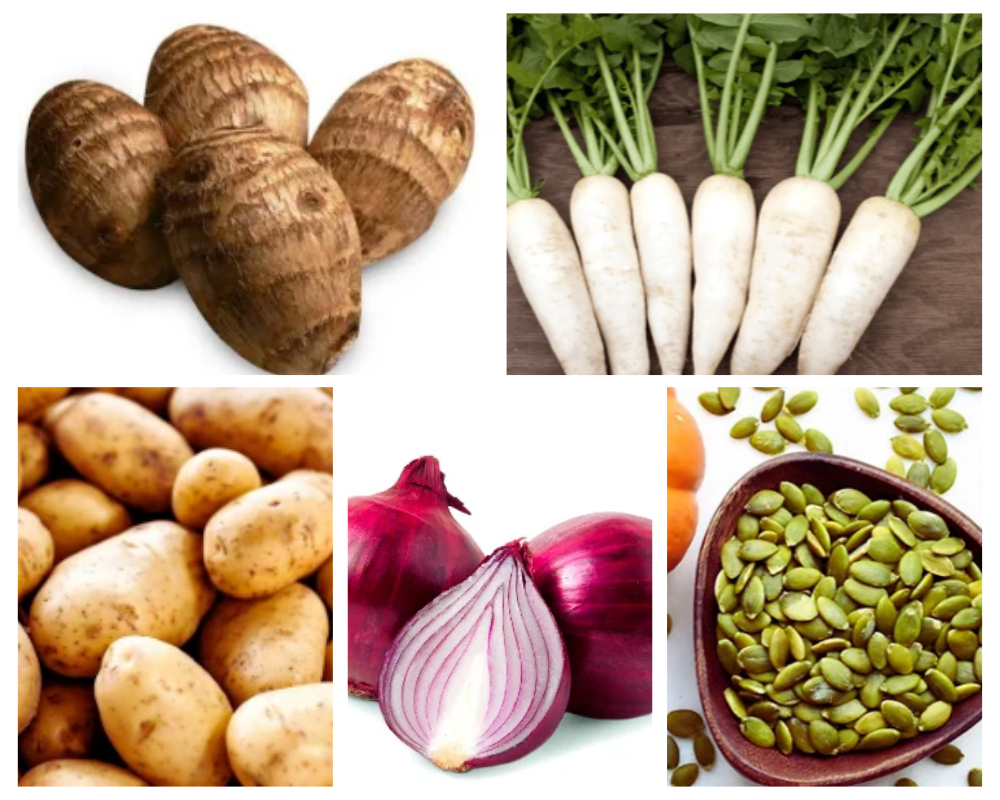
Radish juice is traditionally believed to help treat various eye conditions, including cloudiness, spots, and cataracts. According to traditional practices, applying one or two drops of radish juice to the eyes is claimed to improve vision and provide relief from these conditions.
Safety note: Never put radish juice or other homemade preparations into the eyes. Cataracts and changes in vision require examination by an eye specialist.
Radish for Gum Diseases and Pyorrhea
Eating radishes sprinkled with black pepper is traditionally recommended for maintaining oral health. This combination is believed to help relieve gum diseases and pyorrhea while strengthening the teeth.
Radishes can also be included in a balanced diet to support general health.
Radish Leaves for Alcohol Intoxication
Traditional medicine recommends drinking water prepared by crushing radish leaves thoroughly and mixing them into water. This preparation is believed to help neutralize the effects of alcohol intoxication.
However, radish leaf water does not reverse alcohol poisoning. Severe intoxication requires immediate medical attention.
Radish for Relieving Constipation
Radishes are traditionally considered beneficial for digestive health. Their fibre content helps support normal intestinal movement and bowel regularity.
Regularly including radishes in the diet may help relieve constipation and promote healthy digestion.
Radish Seeds for Liver and Spleen Disorders
Radish seeds are traditionally used for liver and spleen complaints.
Traditional Dosage: Approximately 1 masha (about 1 gram) of radish seeds is consumed in the morning and evening.
According to traditional medicine, regular consumption is believed to support liver and spleen health.
Mustard Greens for Strengthening Teeth
Mustard greens (sarson ka saag) are considered a nutritious vegetable, particularly for growing children.
Traditional dietary recommendations suggest that feeding mustard greens to children supports physical development, promotes healthy growth in height and weight, and helps strengthen their teeth.
Mustard Greens for Swelling (Edema)
Mustard greens are traditionally regarded as beneficial for reducing swelling in the body. They contain protein and other nutrients that contribute to general nourishment.
However, swelling or edema can result from underlying kidney, heart, liver, or circulatory conditions and should not be treated with vegetables alone.
Mustard Greens for Skin Conditions
Mustard greens are traditionally considered beneficial for maintaining healthy skin. Their consumption is believed to help improve various skin complaints and support overall skin health.
Their nutritional content also makes them a useful addition to a balanced diet.
Potatoes for Rheumatism and Joint Pain
Potatoes are traditionally recommended for individuals suffering from rheumatism and joint pain.
Preparation:
Roast potatoes thoroughly in a tandoor (traditional clay oven) until fully cooked. Remove their skins and season the potatoes with salt and black pepper before eating.
According to traditional accounts, consuming potatoes prepared in this way regularly may help relieve joint pain within approximately one week.
Potatoes for Liver and Kidney Stones
Traditional medicine recommends consuming potatoes and drinking approximately four to five seers of water daily for individuals suffering from liver or kidney stones. This practice is believed to break stones into smaller fragments and facilitate their elimination.
However, potatoes do not dissolve kidney or liver stones. Fluid intake should also be appropriate to an individual's medical condition, particularly when kidney or heart disease is present.
Digestibility of Potatoes
When properly cooked, potatoes are considered a nourishing and beneficial vegetable. However, they may take longer to digest in some individuals.
People with weak digestion are traditionally advised to limit their intake because potatoes can cause flatulence and stomach discomfort.
Traditional Properties of Cauliflower
Cauliflower is traditionally believed to produce thick or viscous blood (ghaleez) and cause excessive gas in the stomach. It is also associated with coughing and flatulence.
According to traditional dietary classifications, cauliflower is considered highly gas-producing and is therefore recommended to be consumed with ginger to reduce its flatulence-inducing effects.
Traditional accounts also suggest that it may aggravate chest complaints and cause mental agitation in individuals prone to digestive problems.
However, cauliflower is a nutritious vegetable, and there is no scientific evidence that it produces thick blood or causes mental agitation. Its suitability depends on individual digestive tolerance.
Pumpkin: Aphrodisiac and Medicinal Properties
Pumpkin is considered a relatively low-calorie vegetable and is traditionally described as having mild laxative properties.
A sweet preparation made from pumpkin (halwa) is traditionally regarded as an aphrodisiac that helps improve sexual vitality.
Pumpkin Pulp for Boils and Wounds
Pumpkin pulp is traditionally used externally as a poultice for boils, carbuncles, and infected or festering wounds.
It is believed to soothe affected areas and support the healing process.
Pumpkin Seeds for Intestinal Worms
Pumpkin seeds and the oil extracted from their kernels are traditionally regarded as having anthelmintic properties, meaning they are used to help eliminate intestinal worms, particularly tapeworms.
Traditional Remedy for Tapeworms in Children:
Pumpkin seeds, including their outer husks: 15 rattis (approximately 1.9 grams)
Honey: Sufficient quantity to prepare an electuary (la'ooq)
Castor oil: An appropriate dose, traditionally administered afterward
Preparation and Use:
Crush the pumpkin seeds, including their husks, and mix them with honey to form a thick preparation.
Traditionally, this mixture is administered to children on an empty stomach in the morning. After two to three hours, an appropriate dose of castor oil is given to facilitate the elimination of intestinal worms.
The traditional account describes this treatment as relatively mild.
Safety note: Do not administer castor oil or homemade worm treatments to children without medical supervision. Tapeworm infections require proper diagnosis and appropriate antiparasitic medication.
Cucumber: Traditional Remedy for Various Ailments
Cucumber is a refreshing vegetable traditionally valued for its cooling properties and nutritional benefits. Consuming one to four cucumbers daily is recommended in traditional dietary practices.
Cucumber for Mouth Ulcers
When sores develop inside the mouth due to excessive heat, cucumber foam is traditionally applied to the affected areas several times.
This practice is believed to soothe irritation and help the sores heal.
Cucumber for Weight Gain
Individuals who are naturally thin but have strong digestive systems are traditionally advised to consume cucumber in larger quantities as part of their diet.
According to traditional accounts, this may help improve nourishment and support weight gain.
Cucumber in Sharbat Bazuri
Cucumber is an important ingredient in Sharbat Bazuri, a well-known traditional Unani beverage.
This preparation is traditionally prescribed for excessive heat in the stomach, liver, and intestines. It is also associated with supporting kidney and joint health, addressing uric acid complaints, reducing fever, and refreshing the body.
Ingredients for Sharbat Bazuri
Cucumber: ½ chhatank (approximately 29 grams)
Melon seeds: ½ chhatank (approximately 29 grams)
Kalni seeds (a traditional variety of melon or cucumber seeds): ½ chhatank (approximately 29 grams)
Fennel seeds (saunf): ½ chhatank (approximately 29 grams)
Chicory root: ¾ chhatank (approximately 44 grams)
Water: 1¼ seers (approximately 1.2 litres)
Sugar: ¾ seer (approximately 700 grams)
Preparation
Crush the cucumber, melon seeds, kalni seeds, fennel seeds, and chicory root. Soak the ingredients in approximately 1.2 litres of water overnight.
The following morning, boil the mixture until the liquid is reduced to approximately half a seer (about 470–500 ml).
Remove the mixture from the heat and strain the liquid. Add approximately 700 grams of sugar and heat it again until it reaches the consistency of a thick syrup (qiwam).
Allow the syrup to cool and store it in a suitable container.
Traditional Unani medicine regards this preparation as beneficial for several complaints associated with excessive body heat and digestive discomfort.
Pomegranate and Fruit Juice for Nightmares
Heavy evening meals are traditionally associated with disturbing dreams and restless sleep.
To address this problem, traditional dietary recommendations suggest eating dinner between 6:00 and 7:00 PM.
Additionally, prepare a diluted fruit juice using one of the following:
Pomegranate juice
Orange juice
Malta juice
Grape juice
Mix approximately 1–2.5 tolas (12–30 grams or ml) of the selected juice with an equal quantity of water.
Drink the mixture approximately one hour before bedtime.
According to traditional accounts, this practice helps reduce recurring nightmares and promotes restful sleep.
Taro Root (Arvi) for Dry Cough
Some individuals experience persistent dry coughing accompanied by throat irritation and a burning sensation in the chest.
A cooked dish prepared from arvi (taro root) is traditionally recommended for these complaints. It is believed to soothe throat irritation, relieve chest discomfort, and help control dry coughing.
Taro Peels for Treating Injuries
Ground taro peels are traditionally used in several external preparations for wounds, swelling, and mouth ulcers.
For Wounds and Injuries
Dry taro peels and grind them into a fine powder. Mix the powder with honey or fresh cream (malai) to prepare a paste.
Traditional medicine recommends applying this mixture to affected areas to support wound healing.
For Mouth Ulcers
The powder prepared from taro peels is traditionally mixed with honey or cream and applied to the tongue and lips to relieve mouth ulcers.
For Swelling
If an injury causes swelling, ground taro peels mixed with honey are traditionally applied as a paste. This preparation is believed to reduce swelling and soothe the affected area.
Safety note: Raw taro contains irritating calcium oxalate crystals. Homemade peel preparations should not be applied to open wounds, lips, or the mouth.
Taro Root for Hair Loss
Hair loss is a common concern, particularly among individuals experiencing demanding mental work and prolonged stress.
The following traditional preparation uses taro root and yogurt.
Ingredients:
Taro root (arvi): 50 grams
Water: 250 ml
Yogurt: Sufficient quantity
Preparation and Application:
Boil approximately 50 grams of taro root in 250 ml of water. Allow the mixture to reach boiling point two or three times.
Once prepared, mix the cooked taro with yogurt to form a smooth paste. Apply it to the scalp as a hair pack and leave it for approximately two to three hours before washing.
Traditional Mineral Preparations for Hair Loss
Traditional accounts also recommend the use of calcined coral (kushta-e-marjan) or calcined silver (kushta-e-chandi) for strengthening mental faculties and addressing hair loss.
The stated traditional quantities are:
Calcined coral: 1 ratti (approximately 0.12 grams)
Calcined silver: 2–4 grains
These preparations are traditionally taken in the morning or evening over several consecutive weeks. They are believed to help prevent hair loss, strengthen mental faculties, and improve memory.
Safety note: Calcined silver and coral preparations should not be consumed without specialist medical oversight. Their safety, purity, and effectiveness for hair loss have not been established.
Taro Leaves for Stopping Bleeding
Taro leaves are traditionally used as an external preparation for controlling bleeding.
Preparation and Application:
Crush fresh taro leaves and extract their juice. Soak a clean cotton pad or piece of cloth in the liquid and place it firmly over the bleeding area.
Apply pressure to the affected site and secure the dressing with a bandage if necessary.
Traditional accounts suggest that this preparation helps stop bleeding.
Safety note: For external bleeding, apply firm, continuous pressure using sterile gauze or a clean cloth. Seek emergency care for heavy or persistent bleeding.
Vegetable and Mint Salad for Loss of Appetite
Individuals experiencing poor appetite are traditionally advised to prepare a fresh salad (chaat) in the evening.
Ingredients:
Choose one or two of the following:
Radish
Turnip
Carrot
Apple
Guava
Pear
Additional ingredients:
Fresh mint: Up to 8 chhatanks (approximately 400–450 grams)
Lemon juice: As required
Preparation and Use:
Chop the selected fruits and vegetables and mix them with fresh mint and lemon juice. Consume the preparation in the evening.
According to traditional accounts, this salad helps improve appetite, digestion, and general health.
Additional Ingredients for Women Experiencing Poor Sleep
Traditional recommendations suggest adding the following ingredients to the salad:
Fresh mint: ½ tola (approximately 6 grams)
Onion: 1–3 tolas (approximately 12–36 grams)
This combination is traditionally believed to help women experiencing disturbed sleep and poor appetite.
Onion and Mint for Nasal Congestion
Onion and mint are traditionally used as aromatic ingredients for relieving nasal congestion.
Preparation and Use:
Finely chop one onion and approximately ½ tola (6 grams) of fresh mint. Place the mixture in a small cloth bundle (potli).
Traditionally, the aroma is inhaled three to four times daily to help relieve a blocked nose.
This inexpensive household practice is described as an alternative to more complicated treatments for nasal congestion.
However, it cannot replace medical treatment when nasal obstruction is persistent or caused by structural problems.
Taro Root for Semen Thickening (Mughalliz-e-Mani)
Taro root (arvi) is traditionally regarded as a nourishing food for men. It is believed to increase semen thickness and improve sexual vitality.
It is also traditionally associated with strengthening the kidneys and addressing weakness or thinning (dubla-pan).
Regular consumption of cooked taro is believed to support weight gain. Traditional accounts also suggest that it may increase breast milk production in nursing mothers.
Taro for Blood Pressure and Skin Health
Taro is traditionally considered beneficial for individuals experiencing blood pressure problems.
It is also valued for its potential benefits for skin health. According to traditional accounts, consuming taro helps reduce skin dryness and wrinkles.
Tomatoes as a Traditional Blood Purifier
Tomatoes are considered nutritious vegetables and are traditionally recommended for nursing mothers.
According to traditional beliefs, consuming tomatoes helps purify the mother's blood, which is believed to benefit the nursing child.
Tomatoes provide vitamins, minerals, and antioxidants that contribute to a balanced diet during breastfeeding.
Improving Digestion with Vegetable Salad
A fresh salad containing radish, beetroot, and tomatoes is traditionally recommended after lunch.
Ingredients:
Fresh radish
Beetroot
Tomatoes
Preparation and Use:
Wash and chop the vegetables, combine them into a fresh salad, and consume it after lunch.
Regular consumption is believed to support digestion, maintain general health, and help prevent digestive complaints such as heartburn.
Tomatoes and Gastric Acidity
Traditional dietary advice suggests avoiding water immediately after consuming raw tomatoes.
According to this belief, allowing the acidic components of tomatoes to remain in the stomach without drinking water helps them perform their beneficial functions.
However, there is no established medical reason to avoid drinking water after eating tomatoes. People experiencing acid reflux should monitor their individual food triggers and maintain adequate hydration.
Sweet Potatoes for Virility and Sexual Potency
Sweet potatoes are traditionally considered heavy foods that take longer to digest.
However, according to traditional dietary beliefs, combining sweet potatoes with sugar or honey helps balance their heavy properties.
In this preparation, sweet potatoes are believed to improve sexual vitality, increase semen thickness, and enhance seminal volume.
Sweet Potato Remedy for Jaryan (Involuntary Seminal Discharge)
Sweet potatoes are traditionally regarded as both a nourishing food and a medicinal preparation for jaryan (involuntary seminal discharge or spermatorrhea).
Preparing sweet potatoes as halwa, a sweet cooked dish, is traditionally recommended for this condition.
According to traditional accounts, sweet potato halwa is considered particularly beneficial for improving sexual health and managing involuntary seminal discharge.
Recent Posts

Curculigo Orchioides (Black Musli): Description, Traditional Uses, and Medicinal Properties

Mimusops elengi Linn. (Mulsari): Traditional Medicinal Uses, Properties, and Benefits

Pyrethrum Indicum (Bozidan): Traditional Medicinal Uses, Properties, and Benefits






Mesua ferrea (Nagkesar): Description, Medicinal Properties, and Traditional Uses


