






Healing with Vegetables: Traditional Remedies and Medicinal Uses
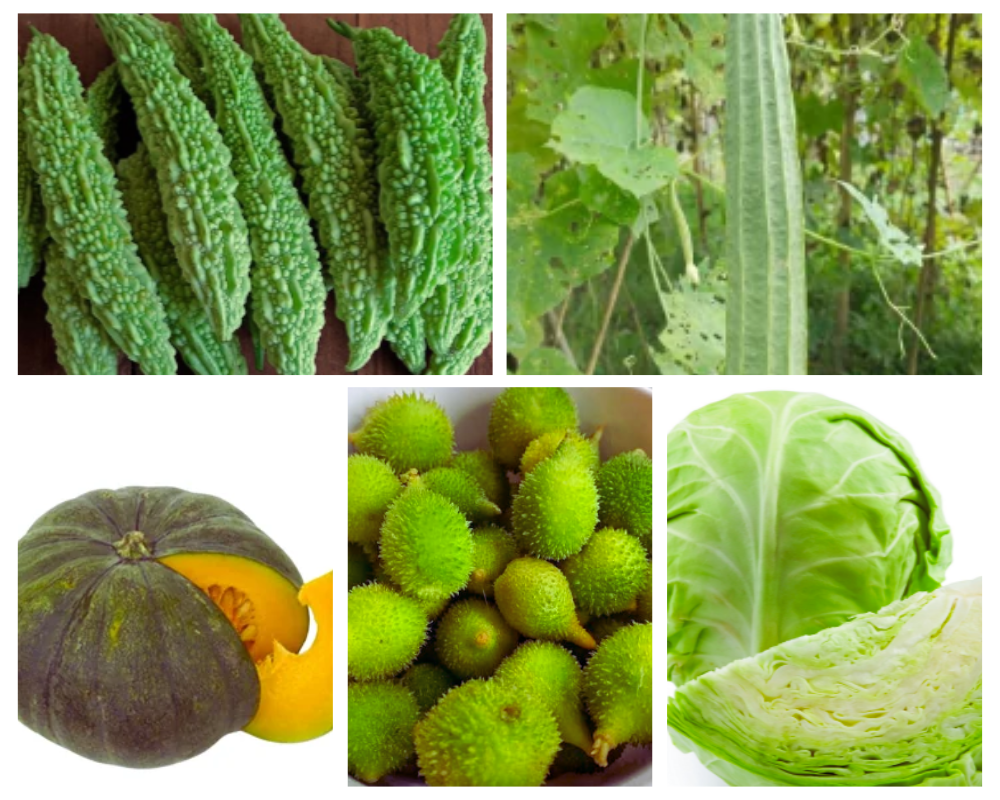
Vegetables are not merely ingredients used in cooking; they are valuable gifts of nature that contribute to the nourishment and development of the human body. Their availability in different seasons, corresponding to seasonal changes, suggests that they may have specific effects on the body.
Besides providing nutrition, many vegetables have traditionally been used as remedies for various ailments. However, their medicinal properties are often unfamiliar to the general public. This article explores the traditional medicinal uses of different vegetables and their role in supporting health and managing common health complaints.
Blood Pressure
Petha (ash gourd or winter melon) preserve (murabba) is traditionally considered beneficial for people experiencing blood pressure problems. It is believed to help reduce excessive blood circulation and counter internal body heat. Traditionally, it is also used to alleviate a burning sensation when urinating.
Petha halwa, a sweet preparation made from ash gourd, is considered beneficial for individuals engaged in intensive mental work. Traditionally, it is also believed to improve sexual vitality, support bone health, relieve thirst, and promote restful sleep.
An Antidote to Toxins
Petha has traditionally been regarded as an antidote to certain toxins and harmful substances. It is considered beneficial for liver health and is believed to support healthy weight gain. Traditional accounts also associate it with promoting healthy blood formation and helping eliminate intestinal parasites.
Stopping Diarrhoea
Kachnar (Bauhinia) buds and their pickles are traditionally used to strengthen the intestines and help control diarrhoea.
A dish prepared from kachnar flower buds is also traditionally recommended for haemorrhoids, coughs, and diarrhoea.
Kakora (spiny gourd) is traditionally considered an antidote to toxins and is also used as a remedy for haemorrhoids.
Bitter Gourd: Traditional Remedy for Diabetes
People have long thought of bitter gourd (karela) as a stomach tonic and a way to get rid of intestinal worms. In traditional medicine, it is used for various conditions, including paralysis, facial paralysis (laqwa), muscular weakness, joint pain, gout, diabetes, jaundice, enlargement of the spleen, and ascites (abdominal fluid accumulation).
Remedy No. 2
Bitter gourd is traditionally considered a natural laxative that helps remove accumulated waste substances from the body. Its mineral salts are also believed to help replenish salts lost through perspiration.
In traditional medicine, bitter gourd is particularly valued for managing diabetes. Its juice, extracted by crushing fresh, raw bitter gourd, is traditionally consumed on an empty stomach. A small amount of salt may be added to improve its bitter taste.
It is also traditionally used as a remedy for haemorrhoids (piles).
Gastric Ulcers and Stomach Lesions
Consuming cooked kachnar (Bauhinia) pods is traditionally recommended for chronic gastric ulcers and persistent stomach lesions. According to traditional accounts, this preparation may help relieve even long-standing stomach complaints.
Kachnar is also regarded as an effective traditional remedy for certain gynaecological conditions, kanth mala (scrofula or enlarged lymph nodes), and gastric lesions.
Gonorrhoea
Carrots are traditionally believed to help eliminate intestinal worms and have also been used in traditional remedies for gonorrhoea.
They are further regarded as beneficial for kidney and bladder stones, as they are believed to help break down stones and facilitate their elimination through urine.
Ridge Gourd as a Diuretic
Ridge gourd (tori) is traditionally considered a mild laxative and is used to help manage haemorrhoids. It stimulates the appetite, is easily digested, and is believed to promote urination.
It is also traditionally used to reduce excessive body heat and agitation associated with the blood. In traditional medicine, it is considered beneficial for individuals experiencing high blood pressure.
Haemorrhoids and Urinary Inflammation
Ridge gourd is traditionally used for haemorrhoids, gonorrhoea, and inflammation of the urinary tract. It is considered a cooling vegetable that helps soothe internal heat and stomach irritation.
It is also traditionally recommended for nosebleeds. Its diuretic properties are believed to help eliminate waste substances through urine while providing a refreshing effect on the body.
However, according to traditional temperament classifications, ridge gourd is not considered suitable for individuals with a cold temperament (sard mizaj).
Cabbage for Vomiting Blood
Although cabbage may cause considerable gas and flatulence, traditional medicine considers it beneficial for sexual vitality (muqawwi-e-bah). It is also traditionally believed to produce thick blood (ghaleez).
Despite these properties, cabbage has traditionally been used to help control blood vomiting. It is also recommended for different types of haemorrhoids, including bleeding and non-bleeding piles (badi).
Furthermore, it is traditionally used to relieve burning sensations during urination and jaundice (involuntary discharge). Cabbage is particularly regarded in traditional medicine as a powerful remedy for controlling the vomiting of blood.
Ginger Remedy for Earache
The following traditional preparation is recommended for relieving earache.
Ingredients:
Ginger juice: 4 masha (approximately 4 g)
Honey: 2 ratti (approximately 0.25 g)
Rock salt (saindha namak): 1 ratti (approximately 0.125 g)
Sesame oil: 2 masha (approximately 2 g)
Preparation and Use:
First, mix the rock salt thoroughly with the ginger juice. Warm the mixture slightly and then add seven to eight drops to the affected ear. According to traditional practice, this preparation is used to relieve earache.
Safety note: Do not put homemade mixtures into the ear, particularly if there is discharge, an eardrum perforation, or an ear injury. Seek medical advice for persistent or severe earache.
Eggplant Remedy for Haemorrhoids
The traditional method uses the dried ends and peels of eggplant (baingan).
First, collect the ends and peels of an eggplant and dry them thoroughly in the sun. Once dried, place them over hot coals and use the resulting smoke to fumigate the haemorrhoidal lumps (mass). This process is traditionally repeated for several days.
Another traditional preparation involves burning an eggplant, collecting its ash, and mixing it with honey. The resulting mixture is applied to hemorrhoidal lumps with the intention of drying them and encouraging them to fall off.
Safety note: Smoke fumigation and homemade applications have not been established as safe or effective treatments for haemorrhoids. Avoid exposing sensitive tissues to smoke or irritating substances.
Moringa for Paralysis and Joint Pain
Moringa pods (drumstick pods) are traditionally regarded as beneficial for paralysis, facial paralysis, joint pain, and rheumatism.
Consuming moringa pods as a cooked vegetable is traditionally believed to help relieve asthma and coughs. Pickled moringa pods are also used in traditional medicine to address stomach weakness and abdominal pain.
Moringa is further valued for its traditional use in relieving pain, eliminating intestinal worms, and supporting digestive health.
Virility and Sexual Potency
Moringa pods are traditionally considered beneficial for eyesight. They are also believed to help break down kidney and bladder stones and facilitate their elimination through urine.
In addition, moringa is traditionally associated with improving sexual vitality and helping relieve excessive gas.
Potatoes for Stimulation of Sexual Potency
Although potatoes are known to cause flatulence in some individuals, traditional dietary beliefs suggest that foods that produce gas may also stimulate sexual potency.
Accordingly, potatoes have traditionally been considered beneficial for improving sexual vigour and strengthening the body.
They are regarded as a nourishing vegetable that provides strength and energy. However, traditional dietary recommendations suggest consuming potatoes alongside spices and meat to obtain their full nutritional benefits.
Digestive Powder (Churan)
The following traditional digestive powder is recommended for improving digestion, strengthening the stomach, and relieving abdominal pain and sour belching.
Ingredients:
Dried ginger (sonth)
Carom seeds (ajwain)
Fresh ginger juice
A pinch of salt
Preparation:
Take dried ginger and carom seeds in suitable quantities. Add enough fresh ginger juice to moisten the ingredients thoroughly. Spread the mixture and allow it to dry in the shade.
Once completely dry, grind the ingredients into a fine powder and add a pinch of salt. Store the preparation in a suitable container.
Dosage: Traditionally, 4 ratti to 1 masha (approximately 0.5–1 gramme) is taken with water twice daily.
This preparation is traditionally used to improve digestion, strengthen the stomach, and relieve various digestive complaints.
Traditional Ginger-Based Remedy for Influenza
The following herbal powder is traditionally used to relieve coughing associated with influenza.
Ingredients:
Dried ginger powder (sonth): 1 chhatank (approximately 58 grammes)
Peeli (turmeric or yellow root): ½ chhatank (approximately 29 grammes)
Kakra Singhi (Pistacia integerrima gall): 3 chhatank (approximately 175 grammes)
Preparation and Use:
Mix all the powdered ingredients thoroughly and store the preparation in a suitable container.
Dosage: Traditionally, 1–1.5 masha (approximately 1–1.5 grammes) of the powder is mixed with a small quantity of honey and administered three times daily to help suppress coughing associated with influenza.
Ginger and onion juice are used to induce vomiting.
Drinking a mixture of ginger juice and onion juice is traditionally believed to help control vomiting.
For hoarseness or temporary loss of voice, a mixture of ginger juice and honey is traditionally recommended to soothe the throat and support the restoration of the voice.
Ginger for Excessive Drooling
Traditional medicine recommends consuming approximately half a tola to half a chhatank of fresh ginger on an empty stomach in the morning, followed by tea.
This practice is traditionally believed to help eliminate gas, reduce stomach heaviness, and control excessive drooling or the flow of saliva from the mouth.
Traditional Remedy for Nerve Pain
Aksir-ul-Awja is a traditional herbal preparation used for nerve and joint pain.
Dosage and Use:
A dose of 1.5 masha (approximately 1.5 grammes) is traditionally taken with Arq-e-Badiyan (fennel water) at around 3 o'clock.
According to traditional accounts, regular use for a few days may help relieve nerve-related and joint pain.
Ginger and Licorice for Chest Pain
The following traditional decoction is used to relieve chest discomfort.
Ingredients:
Dried ginger (sonth): 6 masha (approximately 6 grammes)
Licorice (mulathi): 6 masha (approximately 6 grammes)
Water: 3 chhatanks (approximately 175 grammes or ml)
Sugar or honey: As required
Preparation:
Boil the dried ginger and licorice in water until the ingredients release their properties into the liquid. Strain the decoction and sweeten it with sugar or honey.
Drink the preparation while lukewarm. Traditional accounts recommend this decoction for relieving chest discomfort.
Strengthening the Stomach and Reducing Body Fat
A traditional powdered preparation (safoof) is recommended for strengthening the stomach, reducing body fat, and relieving numbness.
Preparation and Use:
The powder is traditionally consumed in a dosage ranging from 3 masha to 1 tola (approximately 3–12 grammes).
It is taken alongside a tea prepared using the following ingredients:
Cinnamon: 3 masha
Large cardamom: 3 masha
Green tea: 3 masha
According to traditional accounts, consuming this preparation over several weeks helps improve digestion, strengthen the stomach, reduce excess body fat, lighten the body, and relieve numbness.
Important Health Disclaimer: The remedies described in this article are based on traditional medicinal practices and should not be considered scientifically proven treatments. Vegetables can be part of a healthy diet, but they cannot replace prescribed medicines or professional medical care. Conditions such as diabetes, high blood pressure, gonorrhoea, paralysis, kidney stones, gastric ulcers, and vomiting of blood require proper medical evaluation. Do not use unverified preparations in the eyes, ears, or on sensitive tissues.
Recent Posts

Curculigo Orchioides (Black Musli): Description, Traditional Uses, and Medicinal Properties

Mimusops elengi Linn. (Mulsari): Traditional Medicinal Uses, Properties, and Benefits

Pyrethrum Indicum (Bozidan): Traditional Medicinal Uses, Properties, and Benefits






Mesua ferrea (Nagkesar): Description, Medicinal Properties, and Traditional Uses


