



Historical Uses and Safety PrecautionsTraditional Remedies Using Datura
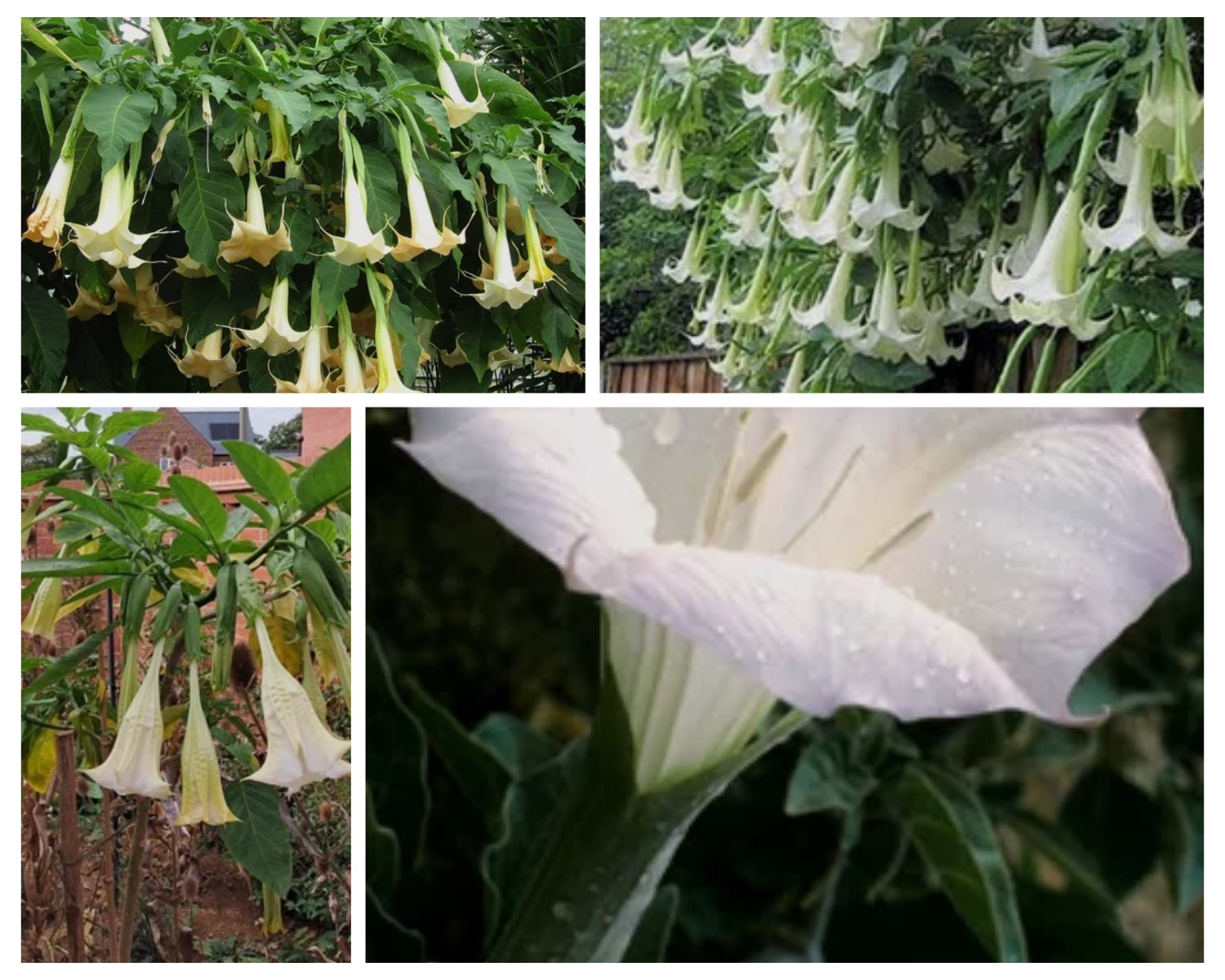
1. Traditional Remedy Intended to Promote Conception
A historical folk remedy describes drying the flowers of black Datura (thorn apple) in the shade and combining one ratti (approximately 0.12 grams) of the dried material with six mashas (approximately 5.83 grams) of honey. The source recommends consuming this mixture after menstruation and claims that it helps promote conception.
Safety warning: Datura is highly poisonous and can cause severe or fatal poisoning. It must not be consumed as a fertility remedy. There is no established evidence that this preparation improves conception or fertility.
2. Neem Panchang Elixir (All-Parts Remedy)
In traditional medicine, Panchang refers to the five parts of a plant. This historical remedy describes shade-drying neem fruits, flowers, leaves, and roots before grinding them into a powder. The source recommends regular use and claims that the preparation benefits various blood-related ailments.
These claims have not been established as effective medical treatments. The safety of consuming a powder made from multiple neem plant parts cannot be assumed, and it should not replace appropriate medical evaluation.
3. Traditional Remedy for Burning Sensations
A folk remedy describes soaking 1.5 tolas of neem flowers (approximately 17.49 grams) in a quarter-seer of water overnight. In the morning, the flowers are mashed in the water, and the preparation is divided into small portions for use throughout the day.
The source associates this remedy with burning sensations in the palms and soles of the feet. However, such symptoms can have several causes, including nerve problems, skin conditions, and metabolic disorders. Persistent or severe burning sensations require medical assessment.
4. Traditional Neem Surma (Kohl) for Vision
A historical preparation describes making surma, or collyrium, from one tola of neem flowers (approximately 11.66 grams), one masha of Qalmi Shora (potassium nitrate), and one masha of camphor (Kafoor). The source recommends applying the preparation to the eyes at bedtime and claims that it benefits vision.
Safety warning: Do not prepare or apply this mixture to the eyes. Homemade eye cosmetics may contain irritating or contaminated substances, and potassium nitrate and camphor are not appropriate ingredients for an unverified eye preparation. Vision problems should be evaluated by an eye-care professional.
5. Traditional Remedy for Ear Wounds
A folk remedy describes mixing three mashas of neem leaf juice (approximately 2.92 grams) with three mashas of honey (approximately 2.92 grams). The mixture is warmed slightly, and the source recommends placing a few drops into the affected ear.
The claim that this preparation heals ear wounds has not been established. Do not put homemade neem juice, honey, or other unprescribed mixtures into the ear. Ear wounds and discharge may require professional examination and appropriate treatment.
6. Traditional Remedy for Deafness
Another historical remedy combines neem leaf juice, Armenian borax (Bora Armani), and honey. The mixture is described as an ear preparation intended to improve hearing.
There is no established evidence that this remedy treats deafness. Hearing loss may result from earwax blockage, infection, injury, or other conditions. Sudden hearing loss requires urgent medical assessment, and homemade mixtures should never be placed inside the ear.
7. Traditional Use of Datura Leaves for Breast Firmness
A folk practice describes warming Datura leaves and tying them over the breasts for several days, with the claim that this restores firmness to sagging breasts.
This claim has not been scientifically established. Datura is toxic, and applying its leaves to the skin is not a proven or safe way to change breast firmness. A properly fitted supportive garment is a safer option for physical support.
8. Traditional Use of Datura Leaves to Reduce Breast Milk
Historical accounts describe applying warmed Datura leaves to the breasts of a nursing woman whose infant has died and whose milk production is causing discomfort. The source claims that this practice reduces milk production over several days.
Safety warning: Datura should not be used for this purpose. Its toxic compounds can cause serious poisoning, and applying the leaves may expose the skin to harmful substances. A healthcare professional or lactation specialist can advise on safer ways to manage breast engorgement and reduce milk production. Fever, worsening breast pain, redness, or swelling may indicate an infection and require medical attention.
9. Traditional Remedy for Swollen Joints
A folk remedy describes coating Datura leaves with oil, warming them, and placing them over swollen joints. Castor (Arand) leaves are then placed over the Datura leaves.
The effectiveness and safety of this practice have not been established. Datura is poisonous and should not be used in homemade poultices. Joint swelling may result from injury, inflammation, infection, or other medical conditions, so persistent or severe symptoms should be assessed appropriately.
10. Traditional Remedy for Head Lice
A historical practice describes crushing Datura leaves, extracting their juice, and applying it to the scalp to kill head lice.
Safety warning: Datura leaf juice is poisonous and should not be applied to the scalp or skin. Accidental absorption or contact with the eyes or mouth may cause harm. Use an established head-lice treatment according to its instructions and seek advice from a pharmacist or healthcare professional if necessary.
11. Traditional Practice Intended to Protect Pregnancy
A folk belief describes tying a Datura root around the waist of a woman who is prone to miscarriage or pregnancy loss. The source claims that the root protects the pregnancy until full term, after which it should be removed.
This is a historical belief, not an established medical treatment. There is no reliable evidence that wearing a Datura root prevents miscarriage. Pregnancy loss can have many causes, and anyone experiencing recurrent miscarriage or concerns during pregnancy should receive appropriate medical care. Datura should not be used as a pregnancy remedy.
12. Traditional Neem Remedy for Common Cold and Catarrh
A historical recipe describes combining one tola of neem leaves (approximately 11.66 grams) with six mashas of black pepper (approximately 5.83 grams). The ingredients are ground together, traditionally using a neem-wood pestle, and formed into small pills weighing one ratti (approximately 0.12 grams) each. The pills are then dried in the shade and stored in a glass bottle.
The source associates this preparation with the common cold, catarrh, and blood purification. These claims have not been established as evidence-based treatments. The safety of consuming this preparation is uncertain, and it should not replace appropriate care for persistent or severe respiratory symptoms.
Important Safety Precautions
Datura, also known as thorn apple, contains toxic compounds that can cause confusion, hallucinations, rapid heartbeat, overheating, seizures, and potentially fatal poisoning. It should not be swallowed or used in homemade skin, scalp, breast, or other external preparations.
Neem preparations also vary in composition and safety. Traditional use does not guarantee that a preparation is safe or effective, particularly during pregnancy, breastfeeding, or when treating children.
Do not put homemade herbal mixtures into the eyes or ears. For fertility concerns, pregnancy loss, hearing or vision changes, breast inflammation, or persistent symptoms, seek appropriate medical advice.
Conclusion
Neem and Datura appear in historical folk remedies for a range of conditions, including fertility concerns, burning sensations, eye and ear complaints, breast-related issues, joint swelling, head lice, and respiratory symptoms. These descriptions document traditional practices rather than demonstrate medical effectiveness. Because several of the preparations involve potentially poisonous ingredients or unsafe applications, they should not be treated as instructions for self-treatment.
Recent Posts
Curculigo Orchioides (Black Musli): Description, Traditional Uses, and Medicinal Properties
Mimusops elengi Linn. (Mulsari): Traditional Medicinal Uses, Properties, and Benefits
Pyrethrum Indicum (Bozidan): Traditional Medicinal Uses, Properties, and Benefits
Mesua ferrea (Nagkesar): Description, Medicinal Properties, and Traditional Uses