






Medicinal Uses and Benefits of Mango, Jasmine, and Other Flowers
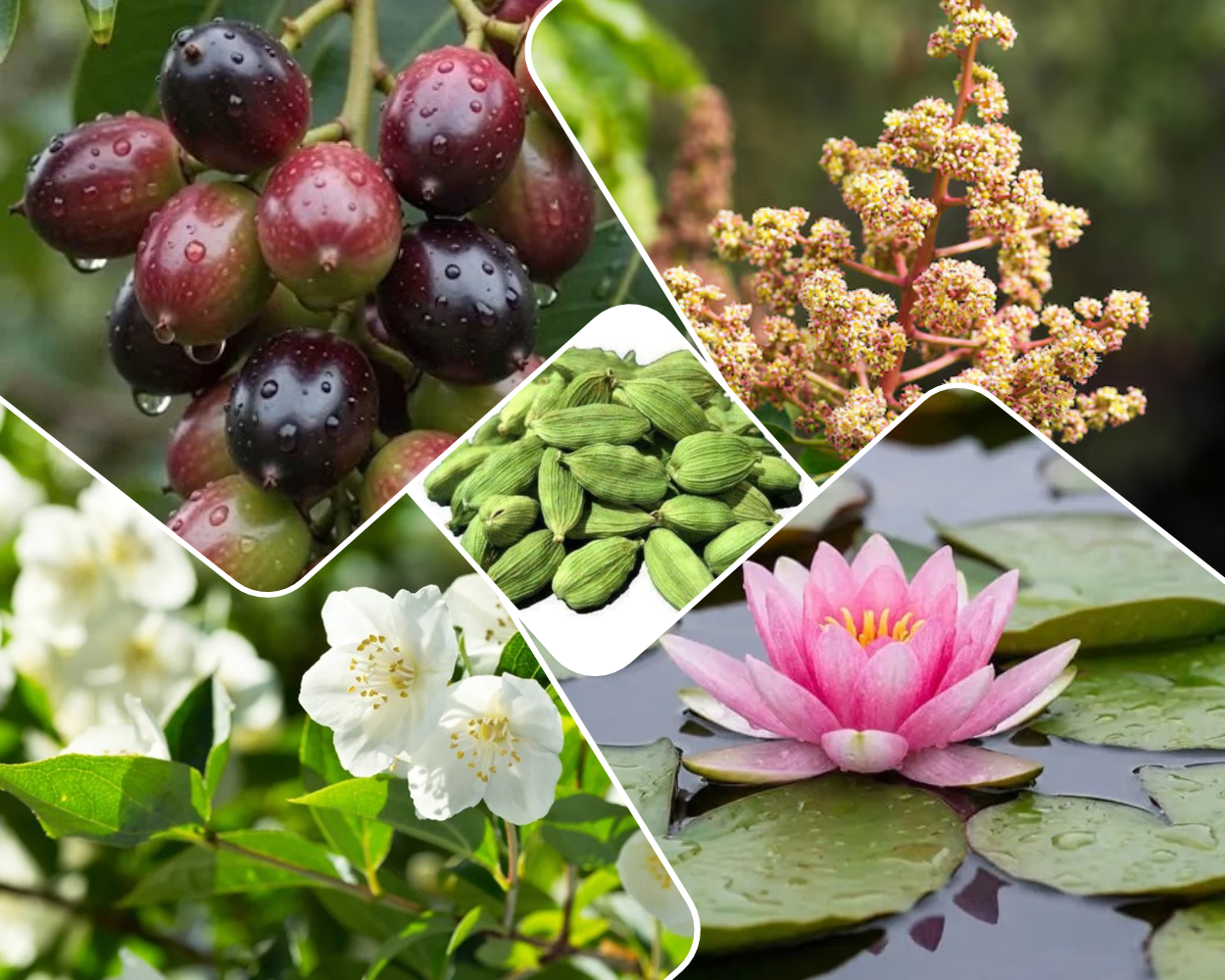
Treatment for Scorpion and Wasp Stings
When mango blossoms (boor) begin to release their fragrance, collect them and rub them thoroughly between your palms. Traditionally, it is recommended that you avoid washing your hands for three to four hours after this process.
According to traditional accounts, this practice is believed to impart a remarkable property to the hands. Placing the hands over an area stung by a scorpion, wasp, or similar insect is said to relieve pain and burning sensations almost instantly. The effect is traditionally believed to remain in the hands for up to one year.
Ringworm and Eczema
Rubbing fresh mango blossoms over areas affected by ringworm, eczema, and similar skin conditions is traditionally believed to provide relief.
Another traditional remedy involves grinding mango blossoms with water to prepare a paste and applying it to scorpion stings. This preparation is believed to counteract the venom and relieve pain.
Spermatorrhea (Jaryan)
Prepare a fine powder from dried mango blossoms. Traditionally, this powder is administered every morning, mixed with sugar, as a remedy for spermatorrhea (Jaryan).
Semen Thickener (Mughalliz-e-Mani)
Grind mango blossoms into a fine powder and mix them with an equal quantity of sugar. The traditional dosage is one tola (approximately 12 grams) in the morning and another tola in the evening.
This preparation is traditionally used to increase semen thickness.
Traditional Remedy for Gonorrhea
Take equal quantities of dried mango blossoms, small cardamom, and Bhangra (a white-flowered plant commonly found near rivers and water channels). Grind all the ingredients into a fine powder and store it in a glass jar.
Traditional practice recommends consuming one tola (approximately 12 grams) of this powder daily on an empty stomach as a remedy for gonorrhea.
Medical note: Gonorrhea requires proper diagnosis and antibiotic treatment. These traditional preparations have not been established as effective treatments.
Hiccups and Common Cold
Tea prepared from mango blossoms is traditionally used to relieve the common cold, mental fatigue, weakness of the brain, and persistent hiccups.
Diarrhea and Dysentery
People suffering from diarrhea, dysentery, and chronic intestinal complaints such as Sangrahani are traditionally advised to drink tea prepared from mango blossoms without adding milk.
Natural Hair Darkener
Dry mango blossoms and leaves thoroughly, then grind them into a fine powder. Regular application over several days is traditionally believed to help darken the hair naturally.
A Traditional Remedy for Ringworm and Eczema
A mixture of jasmine flower juice, sandalwood, and camphor is traditionally used for treating ringworm, eczema, and similar skin conditions.
Grind the ingredients together to prepare a paste and apply it to the affected areas.
Remedy for Different Types of Itching
Mix one tola (approximately 12 grams) of jasmine oil with six mashas (approximately 5.8 grams) of finely ground white lentils (safed daal). Prepare an ointment using the traditional method.
This preparation is traditionally recommended for both dry and moist (weeping) forms of itching.
Chronic Psoriasis
Fresh, tender shoots of Gul-e-Bar Singhar can be ground into a paste and mixed with yogurt. Applying this mixture to affected areas is traditionally believed to help relieve chronic psoriasis.
Useful for Diarrhea
The bark of the Charonji (Buchanania lanzan) tree produces a type of gum known for its astringent and binding properties. Traditional physicians (Atibba and Hukama) use this gum as a remedy for diarrhea.
Oil extracted from Charonji seeds is also traditionally valued for its therapeutic and healing properties and is used in various traditional preparations.
Treatment for Heat Rash
Prepare a paste from the pulp of fresh Charonji fruit and apply it to the affected skin. This traditional remedy is used for heat rash and is also believed to provide relief from acne, prickly heat, and itching.
Relief from Rib Pain
Boil Charonji gum in goat's milk and consume the preparation. According to traditional medicine, this mixture helps relieve pain in the ribs.
Traditional Remedies Using Tara Mira Oil
Recipe No. 1: Treatment for Itching
Massaging the body with Tara Mira (arugula or rocket seed) oil is traditionally believed to relieve different types of itching, including contagious forms.
Recipe No. 2: Internal Remedy for Persistent Itching
Traditional practice recommends consuming approximately one and a quarter tolas (14–15 grams) of Tara Mira flowers and seeds daily for people suffering from persistent itching.
Recipe No. 3: External Application for Itching
Apply Tara Mira oil directly to the affected, itchy areas and leave the skin exposed for one to two hours.
Although the application may produce a stinging or burning sensation, traditional accounts describe it as highly effective for relieving persistent itching. The oil is also regarded as a natural antiseptic and is believed to destroy microorganisms responsible for skin irritation.
Safety note: Tara Mira oil may irritate or damage the skin, particularly when applied undiluted. It should not be used as a substitute for appropriate treatment of infectious skin conditions.
Natural Hair Dye
Mix Gul-e-Nilofar (water lily flowers) with milk and bury the mixture in the ground for one month. After this period, extract the oily essence (ghee) from the preparation.
Applying this traditional preparation to the hair is believed to help darken it naturally.
Relief from Skin Itching
An extract prepared from Charonji (Buchanania lanzan) flowers is traditionally considered beneficial for various types of skin itching. It is believed to soothe irritation and alleviate discomfort.
Traditional Remedy for Throat Ailments
An extract of Charonji flowers mixed with rose water and lemon juice is traditionally consumed in small quantities, a few drops at a time, for Khannaq (diphtheria or severe throat constriction).
The same combination is also traditionally regarded as an anthelmintic (deworming preparation) and is believed to help eliminate intestinal parasites.
According to traditional physicians (Hakims), this preparation may also have beneficial effects on eyesight.
Additionally, fresh Charonji flower juice mixed with honey is traditionally administered to children suffering from throat complaints.
Medical caution: Diphtheria is a potentially life-threatening infection requiring immediate medical attention, antitoxin, and appropriate antibiotics. These preparations must not be used to treat or delay treatment for suspected diphtheria.
Traditional Remedy for Night Blindness
Charonji flowers are traditionally believed to possess several medicinal properties.
According to traditional practice, the juice extracted from fresh flowers is applied to the eyes to treat night blindness (Rat-Andha) and excessive watering of the eyes. Regular use is traditionally claimed to improve visual clarity and eyesight.
However, flower extracts and homemade preparations should never be instilled into the eyes, as they may cause irritation, infection, or injury. Night blindness requires an eye examination to identify its underlying cause.
Recent Posts

Curculigo Orchioides (Black Musli): Description, Traditional Uses, and Medicinal Properties

Mimusops elengi Linn. (Mulsari): Traditional Medicinal Uses, Properties, and Benefits

Pyrethrum Indicum (Bozidan): Traditional Medicinal Uses, Properties, and Benefits






Mesua ferrea (Nagkesar): Description, Medicinal Properties, and Traditional Uses


