



Medicinal Uses and Therapeutic Benefits of pomegranate and jasmine otherFlowers
Mouth Ulcers and Gum Problems
Rinsing the mouth with water prepared by boiling rose petals, or using rose distillate (rose water), is traditionally recommended for relieving mouth ulcers and oral irritation.
Grinding rose petals into a fine powder and gently rubbing them onto the teeth is also traditionally believed to strengthen the gums. This preparation is additionally used for swollen and inflamed gums.
Mouth and Throat Ailments
Boil jasmine leaves in water and strain the decoction. Add a small quantity of honey and use the preparation as a gargle.
This traditional remedy is recommended for various mouth and throat complaints. Gargling with the decoction is particularly regarded as beneficial for toothaches and oral sores (stomatitis).
Tonic for the Heart and Brain
The delicate fragrance of apple blossoms is traditionally considered a natural tonic for the heart and brain. Inhaling their fragrance is believed to relieve heart palpitations, calm anxiety, and refresh the mind.
Traditional Remedy for Leprosy
Mix four tolas (approximately 48 grams) of apple juice, four tolas of apple blossom juice, and four tolas of sheep's milk.
Warm the mixture slightly, strain it, and administer it daily according to the traditional formulation.
Medical note: Leprosy (Hansen's disease) is a bacterial infection that requires specific multidrug antibiotic treatment. This preparation is not an established cure.
Remedy for Chronic Cough
Crush fresh apple blossoms and extract their juice by squeezing them through a clean cloth. Add a small quantity of rock sugar (Misri) to the juice.
Traditionally, this preparation is administered in the morning for several days to relieve coughing, particularly persistent or chronic coughs.
Traditional Remedy for Insomnia
Tie three mashas (approximately 2.9 grams) of quince seeds (Behidaana) in a small cloth bundle (Potli).
Boil the bundle in three chhatanks of apple juice. Allow the preparation to cool before consuming it.
According to traditional medicine, this preparation is beneficial for insomnia and is believed to promote restful sleep.
Benefits of Apple Blossom Gulkand for the Liver, Stomach, Brain, and Heart
Take equal quantities of fresh apple blossoms and sugar. Crush and mix them thoroughly, then transfer the mixture into a sealed container.
Place the container in sunlight for 40 days to prepare Gulkand (a sweet floral preserve) from apple blossoms.
This traditional preparation is highly regarded for its supposed benefits for the stomach, liver, brain, and heart. It is also traditionally used as a general tonic to support overall well-being.
Remedy for Heart Palpitations (Ikhtilaj-e-Qalb)
Consuming apple blossom Gulkand mixed with one ratti of Kushta-e-Yashab (a traditional preparation of calcined jade or nephrite) is traditionally recommended for Khuftan (anxiety or heart-related distress).
This combination is also described in traditional medical texts as beneficial for relieving heart palpitations.
Traditional Antidote for Scorpion Stings
Grind fresh apple blossoms into a fine paste and apply it to the area affected by a scorpion sting.
Traditional accounts claim that this application helps relieve the recurring waves of pain associated with scorpion stings.
Safety note: Scorpion stings may require urgent medical assessment. Apple blossom paste does not neutralize venom and should not replace medical treatment.
Remedy for Sore and Inflamed Eyes
Crush fresh apple blossoms to prepare a soft poultice. Place the preparation over the affected eye and secure it gently with a clean muslin bandage.
Traditional medicine describes this application as a soothing remedy for sore and inflamed eyes.
Homemade flower preparations should not be placed directly on or around an infected eye because of the risk of irritation and contamination.
Relief from Gastric Acidity and Constipation
Gulkand prepared from orange blossoms is traditionally used to relieve gastric acidity and digestive discomfort.
It is also believed to help remove accumulated waste from the intestines, promote bowel movements, and relieve constipation.
Traditional Remedies for Menstrual Disorders
Excessive Menstrual Bleeding
Mix equal quantities of Gul-e-Nilofar (water lily flowers), Multani Mitti (Fuller's earth), and sugar.
The traditional daily dosage is six to eight mashas (approximately 5.8–7.8 grams). This preparation is traditionally regarded as an astringent that helps control excessive menstrual bleeding.
Remedy Using Har Singhar Flowers
Har Singhar (Night-flowering Jasmine) blossoms are also traditionally used for excessive menstrual bleeding.
Prepare a decoction from fresh flowers and consume it three to four times, beginning three days before the expected menstrual period.
According to traditional medicine, this preparation helps prevent heavy menstrual flow.
Medical note: Excessive menstrual bleeding can result from several underlying conditions, including hormonal disturbances and uterine disorders. These preparations are not established treatments, and persistent or heavy bleeding requires medical evaluation.
Remedy for Heart Palpitations (Ikhtilaj-e-Qalb)
Gulkand prepared from Har Singhar blossoms is traditionally considered beneficial for heart palpitations.
It is also believed to counteract excessive bodily heat and provide a cooling, soothing effect.
Traditional Herbal Formula for Diarrhea
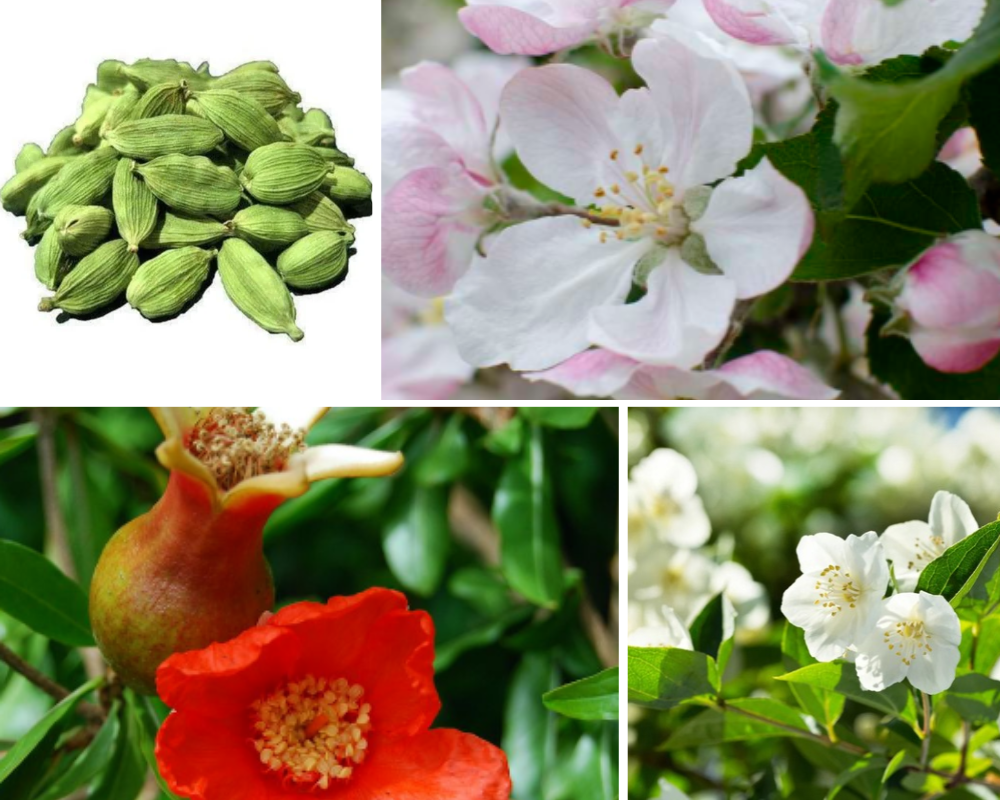
Pomegranate blossoms are traditionally combined with several other medicinal ingredients to prepare a powder for treating diarrhea, particularly green-colored stools in children.
Ingredients
Pomegranate flowers
Green cardamom
Pomegranate rind
White cumin
Amla (Indian gooseberry)
White catechu (Kath)
Take the ingredients in the proportions specified in the traditional formulation. Combine them and grind thoroughly into a fine powder.
Administer the appropriate quantity with a suitable vehicle (Badraqa).
This preparation is traditionally regarded as beneficial for different forms of diarrhea, including childhood diarrhea.
Medical caution: Diarrhea in children can cause dangerous dehydration. Oral rehydration solution (ORS) and appropriate medical assessment are essential. Herbal powders should not replace these measures.
Remedy for Frequent Urination
Take three mashas (approximately 2.9 grams) of pomegranate root bark and an equal quantity of pomegranate flowers.
Boil both ingredients in one pao (approximately 250 ml) of water until the liquid is reduced by half. Strain the preparation and administer it according to the traditional method.
Traditional medicine claims that consuming this decoction for several days helps control frequent or persistent urination.
Frequent urination can have several causes, including urinary infections and diabetes, and should be medically evaluated.
Traditional Antidote for Insect Stings
According to traditional accounts, snakes, scorpions, and other venomous creatures avoid pomegranate trees. Their presence is therefore considered an indication of the tree's antidotal properties.
Crushed pomegranate leaves are traditionally applied to wasp stings and similar insect bites to provide immediate relief from pain and irritation.
However, pomegranate leaves have not been established as an antidote to venom. Serious stings and suspected envenomation require appropriate medical care.
Traditional Remedy for Leucorrhea (Sailan-ur-Rahm)
An enema (Huqna) prepared from a decoction of fresh rose buds is traditionally described as beneficial for intestinal ulcers and leucorrhea (Sailan-ur-Rahm), a condition involving abnormal vaginal discharge.
According to traditional medicine, this preparation is believed to help reduce vaginal discharge and soothe intestinal complaints.
Safety note: Vaginal discharge can have infectious or other medical causes. Homemade enemas should not be used for this purpose, as they may cause irritation or infection.
Traditional Remedy for Kidney and Bladder Stones
Vinegar is traditionally considered a corrective agent (Musleh) for Sohanjana (Moringa or Drumstick tree). The recommended traditional dosage is one to one-and-a-half tolas.
Ingredients
Sohanjana pods: two chhatanks (approximately 115 grams)
Gokhru (Tribulus terrestris): two chhatanks (approximately 115 grams)
Water: sufficient for soaking and cooking
Meat or minced meat: as required
Vinegar: according to the traditional preparation
Preparation Method
Soak the Sohanjana pods in water overnight. In the morning, add Gokhru to the mixture and cook the ingredients with meat or minced meat.
According to traditional practice, consuming this preparation regularly for two to three weeks is believed to help break down kidney and bladder stones and facilitate their removal through urine.
Traditional Uses and Benefits
The original formulation recommends consuming one portion every three hours. It is traditionally believed to:
Cleanse the kidneys.
Restore normal urinary flow.
Break kidney and bladder stones into smaller fragments.
Facilitate the expulsion of stones through urine.
Relieve pain associated with urinary stones.
The traditional account further claims that even large stones can be expelled after breaking into smaller fragments.
Medical note: There is no established evidence that this preparation dissolves kidney or bladder stones. Stone treatment depends on their size, location, and composition. Medical imaging and professional assessment are important, especially when pain or difficulty passing urine occurs.
Traditional Elixir for Male Weakness and Sexual Debility
Gulkand prepared from Banyan (Bargad) flowers is traditionally regarded as a specialized remedy for male reproductive weaknesses and sexual debility.
According to traditional medicine, this preparation is believed to offer several benefits:
Spermatorrhea (Jaryan): Traditionally used to reduce involuntary semen discharge.
Thin Semen (Riqqat-e-Mani): Believed to improve semen consistency.
Premature Ejaculation (Sur'at-e-Inzal): Traditionally recommended to improve control over ejaculation.
Retentive Power (Imsak): Believed to help delay ejaculation.
Semen Thickener (Mughalliz): Traditionally regarded as an agent that increases semen thickness.
Semen Production (Mutawallid-e-Mani): Believed to stimulate semen production and improve its quality.
Aphrodisiac Tonic: Considered a strengthening preparation for male sexual vitality.
In Ayurvedic medicine, this preparation is traditionally held in high regard and is sometimes compared with Makaradhwaja.
Preparation Method
Take fresh Banyan flowers and mix them with twice their weight in sugar (Khand). Prepare the mixture using the traditional method for making Gulkand.
Dosage
The traditional recommended dosage is six mashas (approximately 5.8 grams), taken twice daily with milk: once in the morning and once in the evening.
These claims have not been established through clinical research, and persistent reproductive or sexual problems should be evaluated by a qualified healthcare professional.
Stopping Vomiting
Grind fresh pomegranate flowers and grape leaves together to prepare a paste.
Apply this paste externally to the stomach area. Traditional medicine describes this application as a remedy for vomiting and nausea.
Treatment for Boils Inside the Nose
Extract the juice from fresh pomegranate flowers and apply a few drops inside the nostrils.
According to traditional practice, this remedy helps eliminate boils and small painful swellings that develop inside the nasal cavity.
Safety note: Do not put homemade plant extracts into the nose. Nasal boils may require medical treatment.
Chronic Diarrhea and Dysentery (Sangrahani)
Boil pomegranate flowers and pomegranate peels in water to prepare a decoction.
Consuming this preparation is traditionally recommended for Sangrahani, a condition associated with chronic diarrhea, dysentery, and persistent digestive disturbances.
It is believed to help regulate bowel movements and improve intestinal function.
Traditional Elixir for High Blood Pressure
Gulkand prepared from Amaltas (Cassia fistula) flowers is traditionally used for various health complaints.
Consuming up to one tola (approximately 12 grams) is traditionally recommended for relieving fevers that occur during the summer season.
The preparation method is similar to that used for making rose or hibiscus flower Gulkand.
According to traditional medicine, consuming one to two tolas (approximately 12–24 grams) daily is believed to:
Help lower high blood pressure.
Restore the natural elasticity of the arteries.
Improve blood circulation.
Reduce excessive blood pressure.
Medical note: Amaltas Gulkand is not a proven treatment for hypertension. High blood pressure requires regular monitoring and, when prescribed, appropriate medication.
Bleeding and Dry Hemorrhoids
The pods and flowers of Amaltas are traditionally soaked in vinegar before consumption.
This preparation is believed to relieve abdominal pain and is mentioned in traditional medicine for complaints associated with bleeding and dry hemorrhoids.
Recent Posts
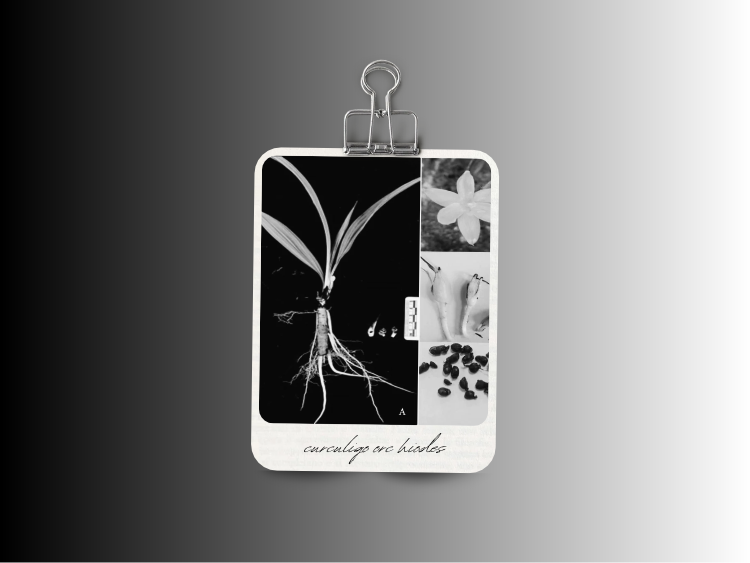
Curculigo Orchioides (Black Musli): Description, Traditional Uses, and Medicinal Properties
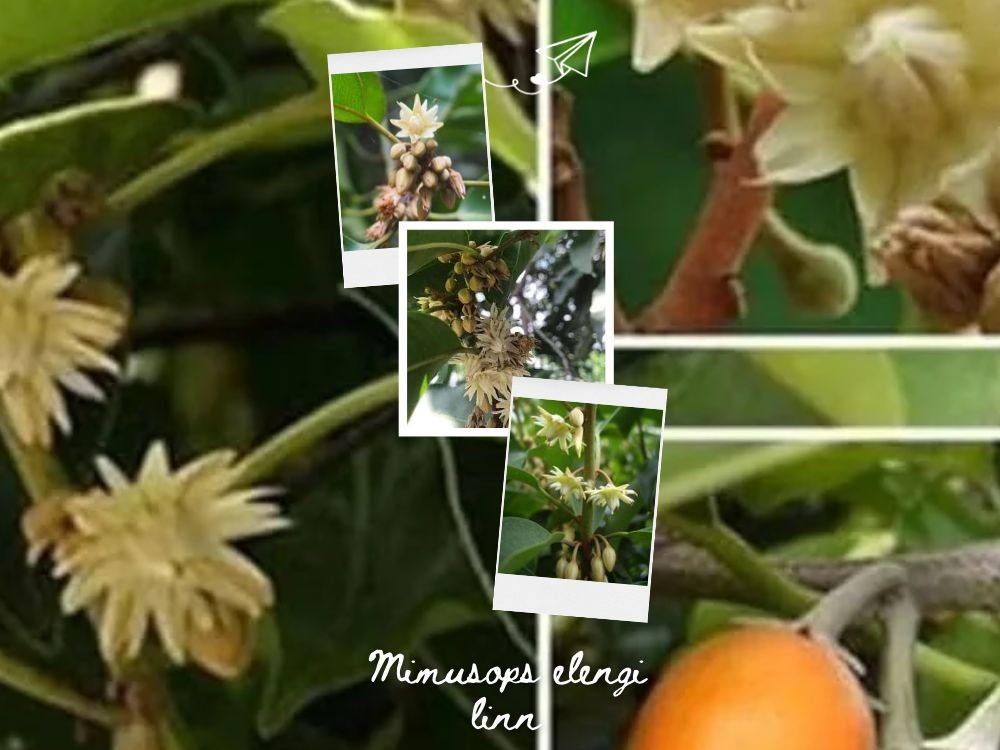
Mimusops elengi Linn. (Mulsari): Traditional Medicinal Uses, Properties, and Benefits
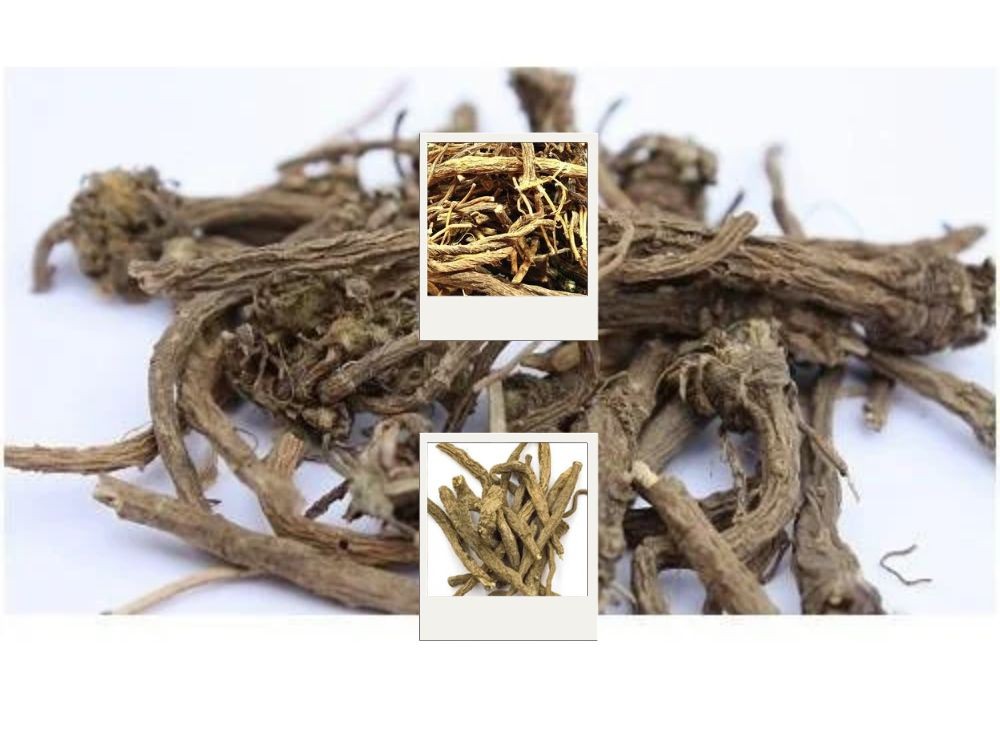
Pyrethrum Indicum (Bozidan): Traditional Medicinal Uses, Properties, and Benefits
Mesua ferrea (Nagkesar): Description, Medicinal Properties, and Traditional Uses