






Medicinal Uses and Traditional Remedies of Vegetables part 2
Palpitations (Khaftan/Khafqan)
Carrots are traditionally considered beneficial for relieving palpitations. To prepare this remedy, roast a few carrots, remove their outer skin and inner core, and place them on a porcelain plate in an open area overnight to collect dew.
In the morning, add a small quantity of rose water and rock sugar (misri) to the carrots and consume the preparation. According to traditional medicine, this remedy is highly beneficial for palpitations.
Joint Pain, Rheumatism, and Gout
Bitter gourd (karela) is traditionally regarded as beneficial for joint pain, rheumatism, and gout. It is believed to help eliminate excess phlegm and intestinal worms. It is also considered an effective traditional remedy for hemorrhoids.
Diuretic Properties of Ash Gourd
Sweets prepared from ash gourd (petha) are traditionally considered highly beneficial. They are believed to promote urination, stimulate the appetite, and provide nourishment. In traditional medicine, these preparations are particularly recommended for individuals suffering from tuberculosis (TB).
Traditional Remedy for Jaundice
Take a pumpkin and roast it in hot embers or over a gentle fire until it becomes soft. Extract its juice by squeezing the roasted pumpkin and mix in a small quantity of rock sugar (misri).
The resulting preparation is traditionally administered to patients with jaundice. It is believed to reduce excessive heat in the liver and provide relief from jaundice-related symptoms.
Remedy for Urinary Retention
The following traditional preparation is recommended for difficulty in passing urine.
Ingredients:
Pumpkin juice: 1 tola (approximately 12 grams or ml)
Saltpeter (qalmi shora): 1 masha (approximately 1 gram)
Rock sugar (misri): 2 tolas (approximately 24 grams)
Plain water: 10 tolas (approximately 120 ml)
Preparation and Use:
Mix all the ingredients thoroughly and administer the preparation as a single dose. According to traditional accounts, one dose is believed to restore the flow of urine. If the condition persists, another dose is traditionally recommended.
Safety note: Sudden inability to urinate can indicate acute urinary retention, which requires immediate medical attention. Saltpeter should not be consumed as a homemade remedy.
Strengthening the Stomach
This traditional preparation is described as having cooling properties and providing strength to the heart and brain. It is also believed to strengthen the stomach and help control diarrhea.
Traditional Remedies for Seminal Leakage (Jaryan)
Method 1: Dried Coriander and Rock Sugar
Consuming dried coriander mixed with 6 mashas (approximately 6 grams) of rock sugar (misri) daily is traditionally recommended for seminal leakage (jaryan) and nocturnal emissions (ihtilam).
Method 2: Kachnar (Bauhinia variegata)
Kachnar (Bauhinia variegata) is traditionally regarded as beneficial for individuals experiencing seminal leakage.
It is also used in traditional medicine for treating mouth and tongue ulcers. When the mouth becomes sore following exposure to substances such as mercury, a decoction prepared from kachnar is traditionally used to soothe the affected tissues.
Furthermore, kachnar is considered beneficial for chronic diarrhea and dysentery (sangrahani).
Carrots for Migraine
Carrot leaves are traditionally used in a remedy for migraine headaches. The leaves are heated and their juice is extracted. A few drops are then traditionally placed in the nostrils and ears to induce sneezing, which is believed to help relieve migraine pain.
Safety note: Do not put carrot juice or other homemade preparations into the ears or nostrils. Sneezing induced by irritating substances is not an established migraine treatment.
Carrots as a Vision Enhancer
Carrots are well known for their nutritional value and their association with healthy eyesight. They contain beta-carotene, which the body converts into vitamin A, an essential nutrient for normal vision.
Regular consumption of carrots as part of a balanced diet helps maintain eye health. However, eating excessive quantities does not necessarily improve eyesight beyond normal nutritional requirements.
Carrots for Pyorrhea and Gum Health
Carrots are traditionally recommended for maintaining dental health and protecting teeth from decay.
For pyorrhea (a gum disease involving inflammation and infection of the tissues supporting the teeth), carrots have traditionally been used as a natural chewing aid. They may also be rubbed gently against the gums.
However, carrots cannot replace proper dental hygiene or professional treatment for gum disease.
Carrot Remedy for Chest Pain
Cook carrots over a fire until soft and extract their juice. Mix the juice with honey and consume the preparation.
According to traditional medicine, this mixture is used to relieve chest discomfort.
Safety note: Chest pain can be a sign of a serious heart or lung condition. Sudden, severe, or persistent chest pain requires urgent medical evaluation.
Carrot Remedy for Cough
Carrot juice is traditionally used to relieve coughing and facilitate the removal of phlegm.
Two preparations are commonly described:
Mix rock sugar (misri) into fresh carrot juice and consume it.
Prepare a chutney using carrots and a small quantity of powdered black pepper.
These preparations are traditionally believed to soothe coughing and make the expulsion of mucus easier.
Eggplant for Expelling Phlegm
Roasted and mashed eggplant (bharta) is traditionally considered a suitable and beneficial food for individuals experiencing excess phlegm. Removing the outer skin makes it easier to digest.
According to traditional temperament classifications, eggplant is considered particularly suitable for individuals with a phlegmatic temperament (balghami mizaj), as it is believed to counteract excess phlegm.
Eggplant dishes are also traditionally associated with supporting heart health and strengthening the heart.
Eggplant for Hemorrhoids
Eggplant is traditionally used as a remedy for hemorrhoids. The upper stem or top portion of the vegetable is ground into a paste and rubbed onto hemorrhoidal lumps (masse).
Traditional accounts describe this application as beneficial for relieving hemorrhoids and helping reduce the lumps.
Safety note: Avoid applying homemade plant preparations to hemorrhoids, as they may irritate sensitive tissues.
Hathon Ka Saag for Intestinal Worms
Hathon ka saag, a traditional leafy green vegetable, is regarded in folk medicine as a remedy for intestinal worms. It is also claimed in traditional accounts that certain allopathic medicines are formulated using this plant.
According to traditional temperament classifications, individuals with a hot temperament (garam mizaj) may consume it more freely, whereas those with a cold temperament (sard mizaj) are advised to exercise caution.
For individuals with a cold temperament, traditional recommendations suggest cooking this leafy vegetable with clarified butter (ghee) or preparing it with almond oil (badam roghan).
Pumpkin Seeds for Bleeding Hemorrhoids
Pumpkin seeds are traditionally used to help control bleeding associated with hemorrhoids.
Preparation and Dosage:
Grind pumpkin seeds into a fine powder and store them in a suitable container.
Take 6 mashas to 1 tola (approximately 6–12 grams) twice daily with fresh water. Traditional recommendations suggest continuing this preparation for two to three days.
It is also traditionally considered beneficial for bloody stools.
Safety note: Rectal bleeding should always be medically evaluated rather than treated solely with homemade preparations.
Traditional Pumpkin Remedy for Childhood Ailments
The following traditional preparation is described for various childhood illnesses and chronic fevers.
Ingredients and Preparation:
Take a fresh pumpkin and make an opening in it. Fill the pumpkin with as many khub kalan (Sisymbrium seeds) as it can hold.
Close the opening and seal the pumpkin with a layer of clay (gil-e-hikmat). Allow it to dry slightly before burying it in a fire.
Once the pumpkin becomes soft, like a roasted vegetable, remove it from the fire and allow it to cool. Remove the clay covering and collect the contents.
According to traditional accounts, this preparation is administered to children and is regarded as a remedy for various childhood ailments and persistent fevers.
Safety note: This preparation has not been established as safe or effective for children. Do not administer unverified herbal preparations to infants or children without medical advice.
Traditional Pumpkin Remedy for Tuberculosis (TB)
Another traditional preparation uses fresh pumpkin and barley flour.
Preparation:
Take a fresh pumpkin and coat its outer surface with a paste made from barley flour. Wrap it in a cloth and bury it in hot ashes until it becomes soft.
Once cooked, remove the pumpkin and extract its liquid by squeezing it. The liquid is traditionally administered to patients according to their tolerance.
Traditional accounts recommend consuming this preparation daily for 15–20 days and claim that it can eliminate tuberculosis. A light and easily digestible diet is also recommended.
Important medical information: Tuberculosis is a serious infectious disease caused by bacteria. It cannot be cured with pumpkin juice or dietary remedies. Treatment requires an appropriate combination of prescribed anti-TB medicines under medical supervision.
Bathua for Urinary Retention
Bathua (goosefoot or Chenopodium) is traditionally used for urinary complaints.
According to traditional medicine, drinking fresh bathua juice is believed to help relieve urinary obstruction, particularly when urination occurs only in small drops.
Bathua for Chronic Constipation
Bathua greens are traditionally regarded as beneficial for digestive health. They are believed to strengthen the stomach and act as a natural laxative.
Regular consumption is traditionally recommended for chronic constipation. It is also considered nourishing and is believed to improve physical strength and vitality.
Furthermore, bathua is traditionally valued for relieving excessive thirst.
Bathua for Kidney and Bladder Health
Bathua greens are traditionally considered beneficial for kidney, bladder, and urinary tract complaints.
Traditional accounts also associate their consumption with relieving conditions believed to arise from excessive heat in the liver or spleen.
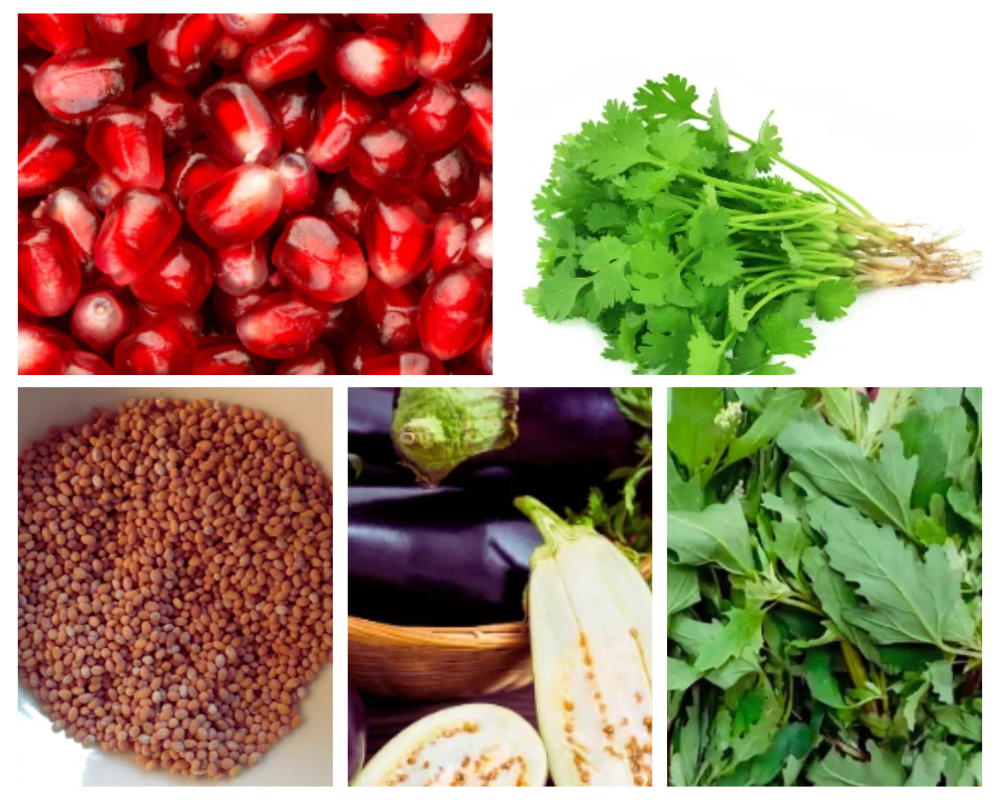
Coriander, Mint, and Pomegranate Seeds for Nausea
Some individuals experience heaviness in the body, reduced appetite, nausea, and general body aches upon waking in the morning.
The following traditional dietary preparation is recommended for such complaints.
Ingredients:
Fresh coriander: 1–3 tolas (approximately 12–36 grams)
Fresh mint: ½–1 tola (approximately 6–12 grams)
Dried pomegranate seeds (anar dana): ½ tola (approximately 6 grams)
Preparation and Use:
Mix the fresh coriander, mint, and dried pomegranate seeds thoroughly. Consume this mixture at the beginning of breakfast.
After a few days, traditional dietary recommendations suggest incorporating one or two seasonal fruits into the daily diet, such as:
Apples
Oranges
Kinnows
Mulberries
Guavas
Melons
Mangoes
Papayas
According to traditional accounts, this dietary combination helps relieve nausea, improve appetite, and reduce general body discomfort.
Fresh Coriander and Yogurt for Gum Problems
Gum problems and bad breath are common complaints that can affect oral health and comfort.
A traditional remedy involves consuming chopped fresh coriander mixed with yogurt.
Ingredients:
Fresh green coriander: 2 tolas (approximately 24 grams)
Yogurt: 2 tolas (approximately 24 grams)
Preparation and Use:
Chop the fresh coriander and mix it thoroughly with yogurt. Consume the preparation in the morning.
This combination is traditionally regarded as a tried-and-tested remedy for gum problems and unpleasant breath.
Leafy Greens for Kidney Stones
Certain traditional leafy greens (saag) are believed to help eliminate kidney stones.
According to traditional accounts, consuming these greens helps break stones into smaller fragments, allowing them to pass through the urinary tract. They are also traditionally associated with relieving intestinal obstructions.
However, the specific leafy vegetable is not identified in the original description.
Leafy Greens for Amenorrhea
Amenorrhea refers to the absence of menstrual periods. Traditional medicine recommends the use of certain leafy greens (saag) for this condition.
These greens are believed to help restore regular menstruation and support reproductive health.
They are also traditionally considered beneficial for individuals suffering from kidney and bladder stones, with regular consumption believed to help gradually relieve these conditions.
Safety note: Absence of menstruation can have several underlying causes, including pregnancy and hormonal conditions. Medical assessment is important before attempting treatment.
Coriander for Stomach Irritation and Heartburn
Fresh coriander leaves and stems are traditionally used to relieve digestive discomfort, particularly when food takes a long time to digest or causes stomach heaviness and irritation after meals.
Preparation and Use:
Take approximately 1–3 units of tender coriander leaves and stems and extract their juice. Mix the juice with milk.
Alternatively, dip a piece of coarse-wheat flatbread (roti), ordinary bread, or two pieces of toast into the prepared liquid. The mixture may be sweetened with sugar or jaggery.
Consume this preparation as breakfast for several days. According to traditional accounts, it helps relieve stomach irritation, heaviness, and digestive discomfort.
Radish for Urinary Retention
Radishes are traditionally considered beneficial for urinary health and are used to address various urinary complaints.
Their consumption is believed to help relieve:
Difficulty passing urine.
Intermittent or interrupted urine flow.
Burning sensations during urination.
Reduced urine output.
Dribbling or incomplete urination.
Radishes are traditionally valued for their diuretic properties and their potential role in supporting normal urinary function.
Recent Posts

Curculigo Orchioides (Black Musli): Description, Traditional Uses, and Medicinal Properties

Mimusops elengi Linn. (Mulsari): Traditional Medicinal Uses, Properties, and Benefits

Pyrethrum Indicum (Bozidan): Traditional Medicinal Uses, Properties, and Benefits






Mesua ferrea (Nagkesar): Description, Medicinal Properties, and Traditional Uses


