



Medicinal Uses and Traditional Remedies of Vegetables Part 4
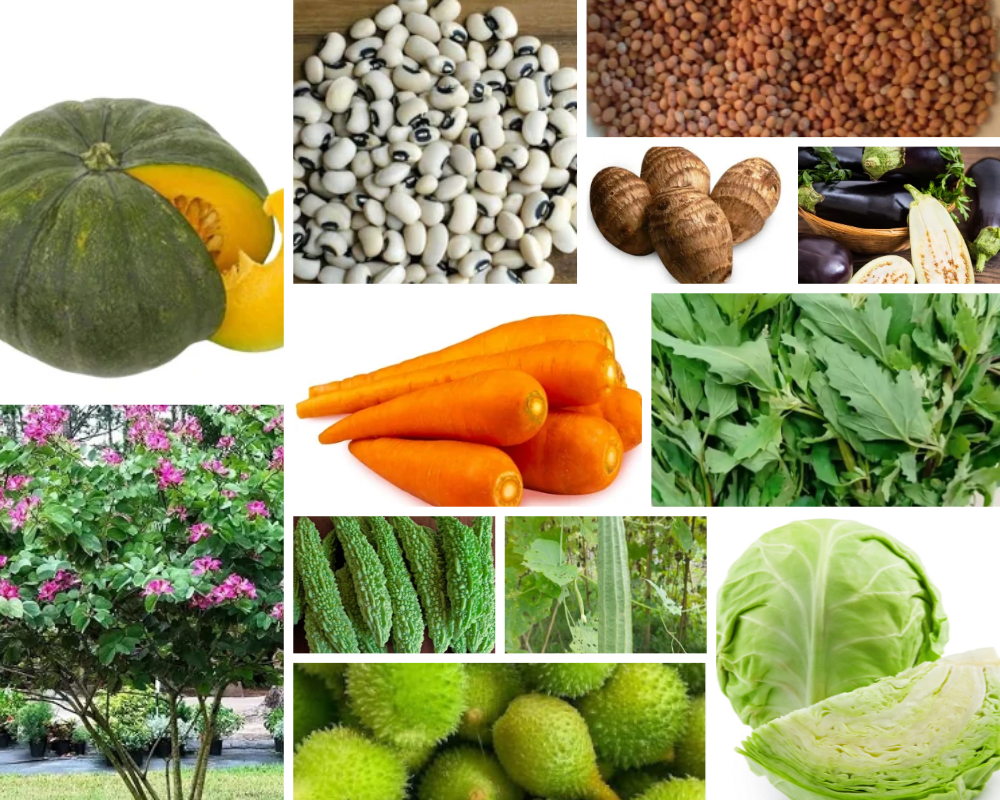
Radish for Gonorrhea
Radish is traditionally used as a remedy for gonorrhea and certain urinary complaints.
Preparation:
Cut one radish into four pieces and sprinkle approximately 6 mashas (about 6 grams) of finely powdered alum over them. Leave the pieces outdoors overnight to collect dew.
Consume the prepared radish pieces the following morning and drink water afterward. According to traditional accounts, this preparation helps relieve gonorrhea and is also believed to help dissolve kidney and bladder stones.
Regular consumption of radishes is also traditionally recommended for individuals with diabetes, as it is believed to help reduce sugar in the urine.
Kidney Beans (Lobia) for Iron Deficiency
The tender leaves of kidney bean plants (lobia) are traditionally valued for their nutritional properties and iron content. Consuming them as a salad is recommended in traditional diets to help address iron deficiency.
Kidney Beans for Skin and Gum Health
A paste prepared by grinding kidney beans is traditionally applied to the face to improve complexion and enhance skin appearance.
Eating kidney beans is also believed to strengthen the gums and support oral health.
Kidney Beans for Breast Milk Production and Male Strength
Women experiencing insufficient breast milk production are traditionally advised to boil kidney beans and consume them as a seasoned preparation similar to chaat.
For men, kidney beans are considered a nourishing and strengthening food that helps improve physical vitality.
Precautions When Eating Kidney Beans
According to traditional dietary recommendations, kidney beans may cause flatulence and bloating if consumed without suitable spices.
To improve their digestibility, they are traditionally cooked with:
Cinnamon
Black pepper
Ginger
Meat
Food safety: Kidney beans must be thoroughly soaked and boiled before consumption because raw or undercooked kidney beans contain harmful lectins.
Turnips for Improving Vision
Turnips are traditionally regarded as nourishing vegetables that provide strength to the body. They are also believed to help break down liver stones and are considered beneficial for improving eyesight.
Precautions
Raw turnips may cause flatulence in some individuals. Traditional dietary recommendations suggest consuming them with acidic ingredients, such as lemon juice or vinegar, and warming spices to improve digestion.
Turnips for Back Pain
Turnips are traditionally considered beneficial for individuals experiencing kidney discomfort and lower back pain.
Their consumption is also believed to support digestive cleansing, improve appetite, and promote healthy digestion.
However, persistent lower back or flank pain should be medically evaluated to identify its underlying cause.
Turnips for Dry Cough
Turnips are traditionally used as a dietary remedy for coughs.
Both cooked turnip dishes and turnip pickles are believed to help soothe coughing and provide relief from respiratory discomfort.
Radish Leaves for Hemorrhoids
Radish leaves are traditionally considered beneficial for individuals suffering from hemorrhoids (piles).
Consuming fresh radish leaves as a salad is believed to help reduce the burning sensation and itching associated with this condition.
Radish for Liver Disorders
Radishes are traditionally recommended for maintaining liver health.
A simple preparation involves finely slicing a fresh radish and seasoning it with a little salt. This makes a refreshing snack that is traditionally considered beneficial for various liver-related complaints.
Coriander for Stopping Vomiting
Coriander seeds and fresh green coriander are traditionally used to relieve nausea and vomiting.
Several methods are described:
Chewing a small quantity of coriander seeds.
Drinking an infusion prepared from crushed coriander seeds.
Consuming juice extracted from fresh green coriander leaves.
Drinking coriander seed juice prepared using traditional methods.
These preparations are traditionally believed to soothe the stomach, reduce nausea, and help control vomiting.
Ridge Gourd (Tori) for Fever
Ridge gourd is traditionally recommended as a light vegetable for individuals suffering from fever.
Preparation and Use:
Prepare a dish using ridge gourd (tori) and season it with black pepper.
According to traditional accounts, consuming this dish helps reduce fever and improve general comfort.
The broth from the cooked vegetable is also believed to restore the sense of taste, which may become impaired during illness, and support digestive health.
Pumpkin for Pregnant Women
Pumpkin pulp mixed with rock sugar (misri) is traditionally recommended as a nourishing preparation during pregnancy.
According to traditional beliefs, regular consumption is associated with healthy fetal development and is even claimed to influence the child's appearance.
Some traditional accounts further suggest that consuming this preparation consistently for three months increases the likelihood of giving birth to a beautiful male child.
Important: No food can determine a baby's sex or guarantee physical appearance, prevent miscarriage, or ensure a particular pregnancy outcome. Pumpkin can be included as part of a balanced pregnancy diet, but miscarriage prevention requires appropriate prenatal care.
Coriander for Burning Sensation in the Hands and Feet
Traditional medicine associates excessive internal body heat with burning sensations in the hands and feet and a feeling of heat throughout the body.
Dried coriander mixed with rock sugar (misri) is traditionally recommended for these complaints.
Alternatively, fresh coriander can be ground with rock sugar to prepare a refreshing mixture.
According to traditional accounts, consuming these preparations helps reduce internal heat and relieve burning sensations.
Onion for Headaches
Onion is traditionally used as an external remedy for headaches.
Preparation and Application:
Finely grind a fresh onion into a smooth paste. Apply the paste to the soles of the feet.
Traditional accounts describe this preparation as beneficial for relieving different types of headaches.
However, there is no established evidence that applying onion paste to the feet relieves headaches. Avoid applying it to irritated or damaged skin.
Traditional Onion Remedy for Cataracts
An old traditional preparation describes the following ingredients for treating cataracts.
Ingredients:
Onion juice: 1 tola (approximately 12 grams or ml)
Pure honey: 1 tola (approximately 12 grams)
Bhimseni camphor: ¼ tola (approximately 3 grams)
Traditional Preparation and Use:
Mix the onion juice, honey, and camphor thoroughly. The traditional instructions recommend applying two drops of this preparation to each affected eye at bedtime using a glass applicator.
According to traditional accounts, this preparation is believed to stop the progression of developing cataracts and even clear existing cataracts.
Important eye safety warning: This preparation must not be used in the eyes. Onion juice and camphor can cause serious irritation, chemical injury, and damage to the eyes. Cataracts cannot be safely treated with homemade eye drops and require assessment by an ophthalmologist.
Traditional Remedy for Kidney and Bladder Stones
The following traditional preparation uses carrot seeds, turnip seeds, and radishes.
Ingredients:
Carrot seeds: Equal quantity
Turnip seeds: Equal quantity
One fresh radish
Preparation:
Mix equal quantities of carrot seeds and turnip seeds.
Hollow out a fresh radish and fill its centre with the prepared seed mixture. Close the opening and roast the radish in hot ashes (bhubhal) until fully cooked.
After cooking, remove the seeds, dry them thoroughly, and store them in a suitable container.
Traditional Dosage:
The preparation is traditionally consumed in doses of 6–9 mashas (approximately 6–9 grams).
According to traditional medicine, this remedy is believed to relieve urinary obstructions and help dissolve and eliminate kidney and bladder stones.
Carrots: A Traditional Elixir for Liver Health
Carrots are traditionally regarded as highly nourishing vegetables that help strengthen the body and clear internal obstructions.
Their consumption is believed to promote urination and increase the thickness or viscosity of semen.
Carrots are also traditionally recommended for individuals suffering from kidney and bladder stones. According to traditional accounts, they help break stones into smaller fragments, which are then eliminated through urine.
Kakora for Kidney and Bladder Stones
Kakora (spiny gourd) is traditionally considered beneficial for individuals suffering from kidney and bladder stones.
Consuming this vegetable is believed to facilitate the elimination of stones through the urinary tract.
Radish for Kidney Stones and Urinary Gravel
Radishes are also traditionally valued for their use in kidney and bladder stone complaints.
Regular consumption is believed to help break stones into smaller pieces and facilitate their removal through urine. They are also traditionally recommended for individuals passing small, sand-like particles (gravel) through the urinary tract.
Medical note: Kidney stones require proper diagnosis and treatment. No reliable evidence establishes that carrots, radishes, or spiny gourds dissolve existing stones.
Traditional Pumpkin Remedy for Tuberculosis
A traditional preparation using pumpkin and barley flour is described for individuals suffering from tuberculosis (TB).
Preparation:
Take one fresh pumpkin and coat its outer surface with a paste made from barley flour. Wrap it in a cloth and bury it in hot ashes (bhubhal).
Allow the pumpkin to cook until it becomes completely soft. Remove it from the ashes and squeeze out its juice.
The traditional instructions recommend administering the juice according to the patient's strength and tolerance.
This preparation is traditionally consumed daily for 15–20 days and is claimed to eliminate tuberculosis completely.
During this period, the patient is advised to follow a light and easily digestible diet.
Important medical information: Tuberculosis is a serious bacterial infection that requires a complete course of prescribed anti-TB medication. Pumpkin juice and dietary remedies cannot eradicate the infection or replace medical treatment.
Carrot Juice for Sleepwalking
Carrots are traditionally used in a remedy for sleepwalking.
Preparation:
Soak approximately half a seer (about 500 grams) of fresh carrots in water overnight.
The following morning, extract the juice and consume it.
According to traditional accounts, drinking this preparation helps eliminate sleepwalking.
However, there is no established scientific evidence that carrot juice treats sleepwalking. Recurrent episodes should be discussed with a healthcare professional.
Carrot Juice for Leprosy
A traditional preparation involving carrot juice and sheep's milk is described for treating leprosy.
Ingredients:
Carrot juice: 4 tolas (approximately 46–48 ml)
Sheep's milk: 4 tolas (approximately 46–48 ml)
Preparation and Use:
Mix the carrot juice and sheep's milk thoroughly. Warm the mixture slightly and strain it through a clean cloth.
Traditional instructions recommend consuming this preparation daily for seven consecutive weeks.
According to traditional accounts, continued use is believed to eliminate leprosy.
Important medical information: Leprosy is a bacterial infection caused by Mycobacterium leprae. It is curable with multidrug therapy provided through medical services. Carrot juice and milk cannot cure the infection.
Carrot Pulp for Healthy Pregnancy
Carrot pulp mixed with rock sugar (misri) is traditionally recommended for pregnant women.
Traditional Preparation:
Mix approximately 1–2 chhatanks (about 58–116 grams) of carrot pulp with a small quantity of rock sugar.
Consume the mixture as part of the daily diet during pregnancy.
Traditional accounts associate this preparation with the birth of a beautiful and healthy child.
Carrots provide beta-carotene, which the body converts into vitamin A and which supports normal growth and development. However, no food can guarantee a child's appearance or health.
Amaranth Greens (Chulai) for Neutralizing Improperly Prepared Kushta
In traditional medicine, kushta refers to a calcined medicinal preparation made from substances such as metals or minerals.
An old traditional remedy recommends consuming chulai (amaranth greens) when someone accidentally takes an improperly prepared kushta.
Traditional Preparation:
Cook amaranth greens without adding chili and serve them with wheat bread (roti).
A decoction (joshanda) prepared from the plant is also traditionally recommended.
According to traditional accounts, consuming these preparations helps neutralize the harmful effects of improperly prepared medicinal ash.
Digestive and Medicinal Properties of Chulai
Chulai (amaranth greens) is traditionally regarded as an easily digestible vegetable with a pleasant, mildly sweet taste.
Regular consumption is believed to support general health and help relieve various complaints.
It is also traditionally associated with breaking down kidney and bladder stones and facilitating their elimination.
Critical safety warning: Suspected ingestion of improperly prepared kushta, particularly one containing metals or minerals, is a potential poisoning emergency. Amaranth greens and herbal decoctions cannot neutralize heavy-metal poisoning. Seek immediate medical attention or contact a poison-control service.
Chulai for Blood Pressure, Phlegm, and Hemorrhoids
Amaranth greens are traditionally valued for several medicinal properties.
They are believed to help regulate blood pressure, eliminate excess phlegm, and provide relief from hemorrhoids.
Traditional accounts also mention their use following snakebites and for reducing complaints associated with excessive internal heat.
Precautions When Consuming Chulai
According to traditional dietary recommendations, chulai should be consumed in moderation because of its balanced temperament.
The following precautions are traditionally suggested:
Avoid combining it with numerous other vegetables during cooking.
Do not add excessive chili or strong spices.
Consume it in moderate quantities.
People with kidney disease or those advised to restrict dietary potassium or oxalates should seek individual dietary advice.
Kachnar for Excessive Menstrual Bleeding
Kachnar (Bauhinia) is traditionally regarded as a particularly beneficial vegetable for women experiencing heavy menstrual bleeding.
Its flowers and buds have historically been used in traditional medicine for various gynecological complaints.
However, unusually heavy menstrual bleeding can result from several medical conditions and should be properly evaluated.
Carrot Seeds for Scanty or Delayed Menstruation
Carrot seeds are traditionally used in a preparation intended to stimulate menstruation and relieve menstrual discomfort.
Ingredients:
Carrot seeds: 1 tola (approximately 12 grams)
Jaggery (gur): ½ tola (approximately 6 grams)
Water: ½ seer (approximately 450–500 ml)
Preparation:
Add the carrot seeds and jaggery to the water and boil the mixture thoroughly.
Once prepared, remove it from the heat and allow it to cool to a suitable temperature.
Traditional instructions recommend drinking this decoction to encourage delayed menstruation.
It is also traditionally considered beneficial for relieving menstrual pain.
Safety note: Carrot seed preparations have not been established as safe or effective for inducing menstruation. Delayed menstruation may indicate pregnancy. Do not use this preparation to induce bleeding, particularly when pregnancy is possible.
Carrot Seeds for Facilitating Childbirth
An old traditional practice describes using carrot seeds to facilitate difficult or prolonged childbirth.
Traditional Method:
Place carrot seeds over a fire to produce smoke. The smoke is then traditionally directed toward the woman during childbirth, with the belief that it helps facilitate delivery.
Safety warning: Directing smoke toward a pregnant woman or into the birth canal is unsafe and has no established medical benefit. Prolonged or difficult labour requires immediate assessment by qualified maternity professionals.
Carrot Juice for Jaundice
Carrot juice mixed with rock sugar (misri) is traditionally recommended for individuals suffering from jaundice.
Traditional Dosage:
Approximately 2 chhatanks (about 115–120 grams or ml) of carrot juice is mixed with rock sugar and consumed, particularly during summer.
According to traditional accounts, this preparation helps address blood deficiency, excessive liver heat, and jaundice.
Carrots can contribute useful nutrients to the diet, but jaundice requires medical investigation to determine its underlying cause.
Pumpkin Seed Oil for Headaches and Hair Growth
Oil extracted from pumpkin seeds is traditionally valued for its potential benefits for hair and the head.
It is believed to:
Promote hair growth.
Strengthen the hair.
Relieve headaches.
Provide a cooling effect to the head.
Support restful sleep.
Pumpkin seed oil is also used in traditional practices as a nourishing oil for hair care.
Pumpkin and Rock Sugar for Tuberculosis
Pumpkin mixed with rock sugar (misri) is traditionally recommended as a nourishing preparation for individuals suffering from tuberculosis.
Regular consumption is believed to provide nourishment and gradually support recovery.
However, this preparation cannot cure tuberculosis. Patients must complete the prescribed anti-TB treatment under medical supervision.
Garlic for Strengthening the Stomach and Intestines
Garlic is traditionally considered beneficial for digestive health and is used to relieve abdominal discomfort.
Traditional Preparation:
Crush several fresh garlic cloves and shape the crushed garlic into a small pill.
Traditional accounts recommend swallowing this preparation to relieve even severe abdominal pain.
Regular consumption of garlic is also believed to strengthen the stomach and intestines and stimulate appetite.
Garlic can be included in a balanced diet, although consuming it raw or in concentrated quantities may cause heartburn, stomach irritation, or other digestive discomfort.
Garlic as a Traditional Antidote for Poison
According to traditional remedies, garlic is believed to help counter the effects of certain poisons. A traditional preparation involves grinding garlic with vinegar to form a paste and applying it to wounds caused by snake, scorpion, or rabid-dog bites.
Important safety note: This remedy does not neutralize venom or prevent rabies. Snakebites, scorpion stings, and animal bites require urgent medical attention. Do not apply garlic, vinegar, or other substances to the wound, and do not delay emergency treatment.
Dental and Oral Health
Traditionally, consuming approximately 60 grams of raw carrot juice daily has been recommended to support gum and dental health. Carrots provide nutrients, including beta-carotene, which the body converts into vitamin A. A balanced diet can contribute to healthy gums and teeth.
Traditional accounts also associate carrot juice with purifying the blood and preventing boils, pimples, and itching. However, these effects have not been established scientifically, and carrot juice should not be considered a treatment for skin conditions.
Eye Infections and Cataracts
A traditional preparation describes grinding approximately 60 grams (one chhatank) of black surma (kohl) in onion juice for 24 hours. After the mixture dries, it is stored in a small bottle and applied to the eyes with an applicator. It has traditionally been recommended for conjunctivitis, blurred vision, and cataracts.
Important safety warning: Do not prepare or apply this mixture to the eyes. Onion juice can cause severe irritation and injury, while some traditional kohl products may contain lead or other harmful substances. Cataracts require assessment by an eye specialist, and conjunctivitis should be treated according to its cause.
Burning Sensation During Urination
Traditional medicine recommends an onion-based preparation for a burning sensation during urination.
Preparation:
Finely crush approximately 60 grams (one chhatank) of onion.
Add it to approximately 500 ml of water.
Boil until the liquid reduces to approximately 250 ml.
Strain the liquid and allow it to cool before drinking.
This preparation has traditionally been used to relieve urinary discomfort. However, it is not a proven treatment for urinary infections or other urinary conditions. Persistent burning, fever, blood in the urine, or lower abdominal or back pain requires medical evaluation.
Urinary Retention
A traditional remedy suggests peeling and finely crushing a garlic clove and inserting it into the urethral opening to restore the flow of urine.
Serious safety warning: Never insert garlic or any other object into the urethra. This can cause burns, infection, injury, and further obstruction. Inability to pass urine is a medical emergency and requires immediate treatment.
Garlic for Headaches
Garlic has also been used traditionally as an external remedy for headaches. The method involves lightly crushing garlic and applying it as a poultice to the side of the head where the pain is felt. Another traditional preparation involves mixing crushed garlic with a small amount of honey to make a paste.
However, applying raw garlic to the skin can cause irritation, blistering, and chemical burns. These preparations should not be applied to the head or skin. Severe, sudden, or recurring headaches should be medically assessed.
Garlic and Blood Lipids (Fats)
Garlic has traditionally been regarded as beneficial for maintaining healthy blood circulation. Traditional accounts suggest that it helps reduce excessive fats in the blood, prevents blood from becoming too thick, and supports the health of blood vessels.
Some research suggests that garlic preparations may produce modest reductions in total cholesterol and LDL cholesterol in certain people. However, garlic is not a substitute for prescribed cholesterol-lowering medication or medical care. It should also be used cautiously by people taking blood-thinning medicines because it may increase the risk of bleeding.
Garlic for Toothache
Garlic has traditionally been used to relieve toothache. One folk remedy involves placing a small piece of garlic between the teeth and pressing down gently on it.
However, raw garlic can irritate or burn the gums and oral tissues. Toothache caused by decay or infection requires dental treatment. Garlic cannot repair a damaged tooth or eliminate an underlying dental infection.
Bathua (Lamb's Quarters) for Inflammation and Swelling
Bathua (lamb's quarters or Chenopodium) leaves have traditionally been used as an external remedy for swelling, boils, and abscesses. According to traditional practice, the leaves are crushed into a paste or their juice is extracted and applied to the affected area as a poultice.
Traditional accounts suggest that this application helps reduce swelling and encourages boils or abscesses to rupture and drain.
However, applying unsterile plant material to an open wound or abscess may introduce infection. Do not squeeze or attempt to drain an abscess at home. Increasing redness, warmth, severe pain, fever, or spreading swelling requires medical attention.
Recent Posts
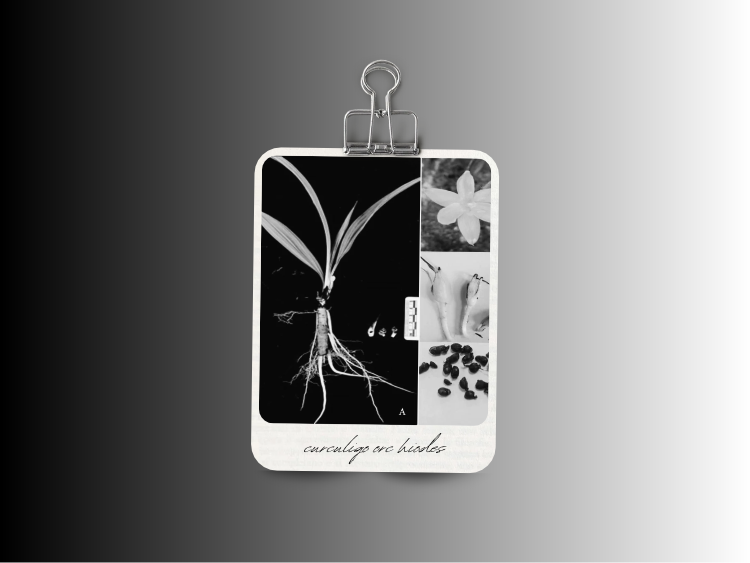
Curculigo Orchioides (Black Musli): Description, Traditional Uses, and Medicinal Properties
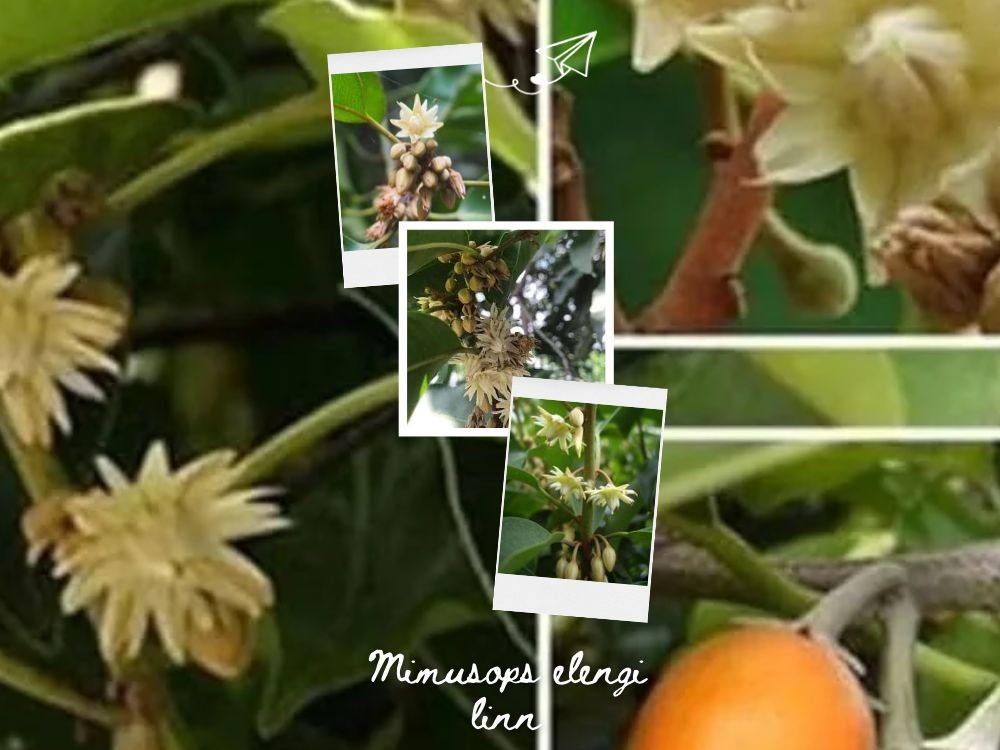
Mimusops elengi Linn. (Mulsari): Traditional Medicinal Uses, Properties, and Benefits
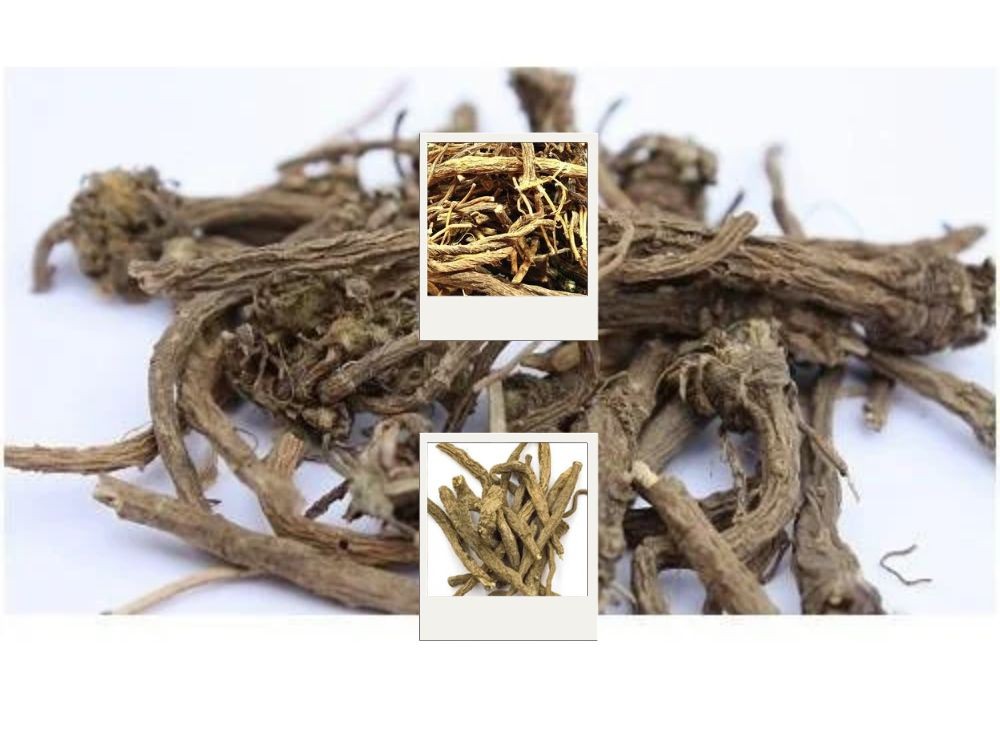
Pyrethrum Indicum (Bozidan): Traditional Medicinal Uses, Properties, and Benefits

Mesua ferrea (Nagkesar): Description, Medicinal Properties, and Traditional Uses