



Mint (Mentha): Description, Types, Temperament, and Medicinal Properties
Introduction
Mint (Mentha), belonging to the Lamiaceae (Labiatae) family, is an aromatic herb widely recognized for its refreshing fragrance and traditional medicinal properties. It is closely related to Pudina and Na'na, two commonly used varieties of mint. In traditional Unani medicine, these plants are valued for their digestive, carminative, stomach-strengthening, and resolvent properties.
Different varieties of mint are used in traditional remedies, and their medicinal effects are believed to vary according to their type, taste, and potency.
Description
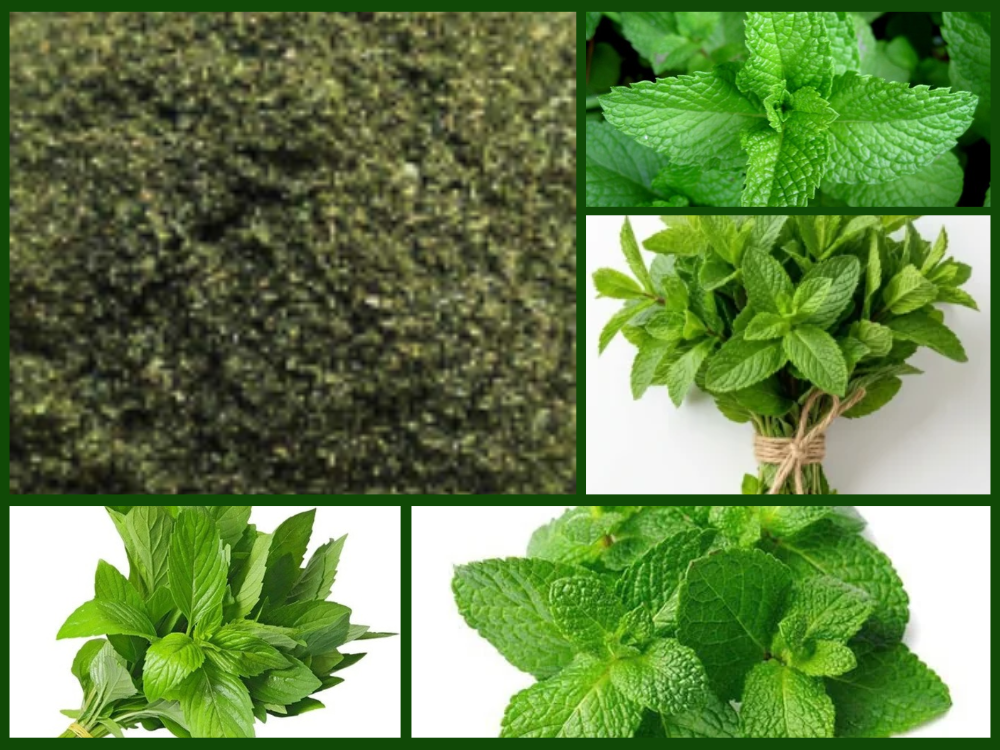
Mint is an herbaceous plant similar to Pudina and Na'na. Some traditional sources consider it a particular variety of Pudina, although distinctions are made between these plants in classical herbal literature.
According to Khazain-ul-Adviya, Pudina and Na'na differ in their medicinal strength, with Na'na generally considered more potent than Pudina. However, some traditional practitioners regard wild Pudina and Na'na as equivalent in their therapeutic benefits.
Pudina is considered more drying in nature and is traditionally associated with strengthening sexual potency (Bah), whereas Na'na is believed to stimulate it. Compared with Pudina, Na'na has a slightly bitter taste.
Wild Pudina is considered strongly drying and acts as a Muhallil (resolvent), a substance traditionally used to reduce swellings and dissolve accumulated matter.
Types of Na'na (Mint)
According to traditional descriptions, Na'na is divided into two main types:
1. Wild Mint (Na'na Barri)
Wild mint has an unpleasant taste and relatively small leaves. Its leaves are covered with a whitish, soft, downy layer of fine hairs. It is traditionally considered more drying in nature.
2. Cultivated Mint (Na'na Baghi)
Cultivated mint has a pleasant taste and larger, smooth leaves. It is more aromatic than the wild variety, and its leaves are dark green with a slightly blackish appearance.
Temperament (Mizaj)
According to traditional Unani medicine, mint is considered hot and dry in the second degree.
Medicinal Properties and Actions
Mint is traditionally recognized for the following medicinal properties:
Resolvent (Muhallil): Traditionally used to reduce swellings and dissolve accumulated matter.
Carminative (Kasir-e-Riyah): Helps relieve gas and abdominal bloating.
Stomach Tonic: Traditionally used to strengthen the stomach and support digestion.
Heart Tonic: Considered beneficial for strengthening the heart in traditional medicine.
Hemostatic: Traditionally used to help stop bleeding.
Antidote: Historically used in remedies for certain poisonous substances.
Throat Soothing: Used to relieve roughness and irritation in the throat.
Contraceptive: Mentioned in traditional herbal literature for this purpose, although no reliable clinical evidence establishes mint as an effective contraceptive.
Digestive: Traditionally used to support digestion and improve appetite.
Sedative: Considered helpful for calming and soothing effects.
Blood Refining (Latif): Traditionally believed to refine and improve the quality of blood.
Anti-Cholera: Historically mentioned in traditional medicine for cholera-related complaints, but it is not a proven treatment for cholera.
Traditional Medicinal Uses of Mint
Mint has long been used in Unani and traditional herbal medicine for digestive complaints, abdominal discomfort, and other health conditions. Its aromatic nature and carminative properties make it a common ingredient in traditional preparations.
The distinction between wild and cultivated varieties is also important in traditional practice, as each is believed to possess slightly different medicinal characteristics.
Precautions
Mint is commonly consumed as a culinary herb and in beverages. However, concentrated extracts and essential oils should be used cautiously.
People with acid reflux may experience worsening symptoms with certain mint preparations.
Concentrated mint essential oil should not be swallowed without professional guidance.
Mint should not be relied upon as a contraceptive or as a treatment for poisoning, bleeding, or cholera.
Severe diarrhea and suspected cholera require immediate medical attention and appropriate rehydration treatment.
Recent Posts
Curculigo Orchioides (Black Musli): Description, Traditional Uses, and Medicinal Properties
Mimusops elengi Linn. (Mulsari): Traditional Medicinal Uses, Properties, and Benefits
Pyrethrum Indicum (Bozidan): Traditional Medicinal Uses, Properties, and Benefits
Mesua ferrea (Nagkesar): Description, Medicinal Properties, and Traditional Uses