



Myrtus Caryophyllus (Cloves): Medicinal Properties, Uses, and Benefits
Introduction
Myrtus Caryophyllus, commonly known as clove, is an aromatic evergreen tree valued for its fragrant flower buds and medicinal properties. Cloves have a strong, pleasant aroma and a bitter, pungent taste. They are widely used as a culinary spice, particularly in garam masala, and have a long history of use in traditional medicine. Clove buds are also used to extract an essential oil known as clove oil (Roghan-e-Qaranfal).
Botanical Description
The clove tree is evergreen and grows to a height of approximately 30 to 40 feet. Its branches are flexible and spread in different directions. The bark is yellowish-brown in colour.
Leaves
The leaves are approximately 3 to 4 inches wide, broader in the middle, and pointed at the tips. Their upper surfaces are smooth, while the undersides are dull in appearance. They have a pungent taste and a pleasant aromatic fragrance.
Flowers and Flower Buds
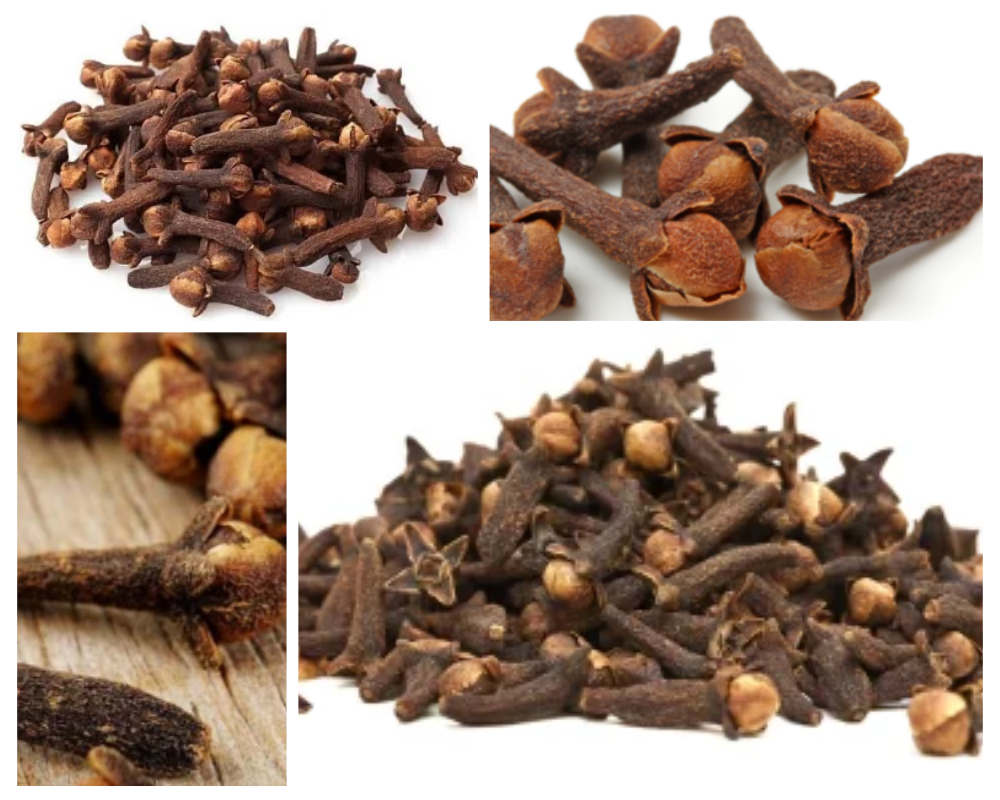
The dried flower buds of the clove tree are known as cloves. Before drying, the buds are reddish or pinkish, but they turn dark brown to almost black when dried.
Each flower bud has four small, tooth-like projections called sepals surrounding the central flower structure. The flower contains petals and stamens, which are responsible for producing pollen. A long, pointed stalk extends from the lower portion of the bud.
Cloves have a bitter, pungent taste and a strong, pleasant aroma. The dried flower buds are the primary medicinal part of the plant. They are also used to extract clove oil, commonly known as Roghan-e-Qaranfal. Each flower bud is approximately half an inch long.
Chemical Composition
Cloves contain approximately 20% non-volatile oil, along with several other chemical constituents. These include eugenol, the principal aromatic component responsible for much of the characteristic fragrance and properties of cloves, as well as gallotannic acid, resins, and other substances.
Medicinal Properties and Actions
In traditional medicine, cloves are valued for their various external and internal properties.
External Actions: Cloves are traditionally described as resolvent (helping reduce swellings), rubefacient (stimulating blood circulation and producing redness), and anaesthetic (producing a numbing effect).
Internal Actions: They are traditionally considered exhilarating, heart and brain tonics, expectorants, breath fresheners, antispasmodics, stomach tonics, liver tonics, and intestinal tonics. They also possess carminative properties, helping relieve gas and flatulence. Additionally, cloves are traditionally regarded as an aphrodisiac.
Medicinal Uses of Cloves
Relief from Pain and Swelling
Due to their traditionally recognised antiseptic and warming properties, cloves are used externally in traditional preparations for painful areas, boils, and pimples. They may be applied in the form of a poultice or other topical preparations.
Toothache and Oral Health
Clove oil is traditionally used for temporary relief from toothache because of its numbing properties. Applying a small amount of appropriately diluted clove oil to the affected area may provide temporary comfort. Chewing cloves has also traditionally been recommended to freshen the breath and reduce unpleasant mouth odour.
Digestive Health and Flatulence
Cloves are commonly included in garam masala and other spice blends. Their aromatic properties enhance the flavour and fragrance of food. In traditional medicine, they are used as carminatives to help relieve flatulence, reduce digestive discomfort, and support digestion.
Traditional Use as an Aphrodisiac
Cloves and clove oil (Roghan-e-Qaranfal) have traditionally been used in preparations intended to improve sexual vitality and potency. Some traditional formulations also describe cloves as retentive agents that may help delay ejaculation. However, these claims have not been sufficiently established through modern clinical research.
Clove Oil and External Applications
Clove oil possesses many of the aromatic and traditional properties associated with the flower buds. It is used in traditional massage oils and topical preparations. Historically, it has also been applied as a topical preparation (Tila) for various complaints, including those associated with sexual weakness.
Specific Benefits of Cloves
The two principal benefits traditionally associated with cloves are:
Aphrodisiac: Traditionally used to support sexual vitality.
Carminative: Helps relieve flatulence and digestive discomfort.
Dosage
The traditional dosage of cloves is:
- 4 ratti to 1 masha (approximately 0.5–1 gram).
The appropriate dosage depends on the preparation, individual circumstances, and intended use.
Safety Precautions
Cloves are commonly used in food, but concentrated clove oil requires caution. Eugenol can cause irritation, allergic reactions, and tissue damage when used undiluted. Excessive ingestion may also be harmful, particularly in children. Clove oil should not be applied directly to damaged skin or used as a substitute for dental treatment. Anyone considering medicinal use, especially in concentrated preparations, should consult a qualified healthcare professional.
Recent Posts
Curculigo Orchioides (Black Musli): Description, Traditional Uses, and Medicinal Properties
Mimusops elengi Linn. (Mulsari): Traditional Medicinal Uses, Properties, and Benefits
Pyrethrum Indicum (Bozidan): Traditional Medicinal Uses, Properties, and Benefits
Mesua ferrea (Nagkesar): Description, Medicinal Properties, and Traditional Uses