






Nagand Babri: Medicinal Properties, Traditional Uses, and Health Benefits
Introduction
Nagand Babri is an aromatic medicinal herb traditionally described in Unani medicine for its blood-purifying, fever-reducing, anti-inflammatory, and antidotal properties. Its leaves, flowers, and fruits produce a strong, distinctive fragrance when crushed, making it easily recognizable among aromatic herbs.
The plant is traditionally associated with the treatment of various skin conditions, swellings, intermittent fevers, and complaints involving impurities in the blood. It is also valued for its traditional use as a remedy against certain animal and plant-based poisons.
Botanical Description and Habitat
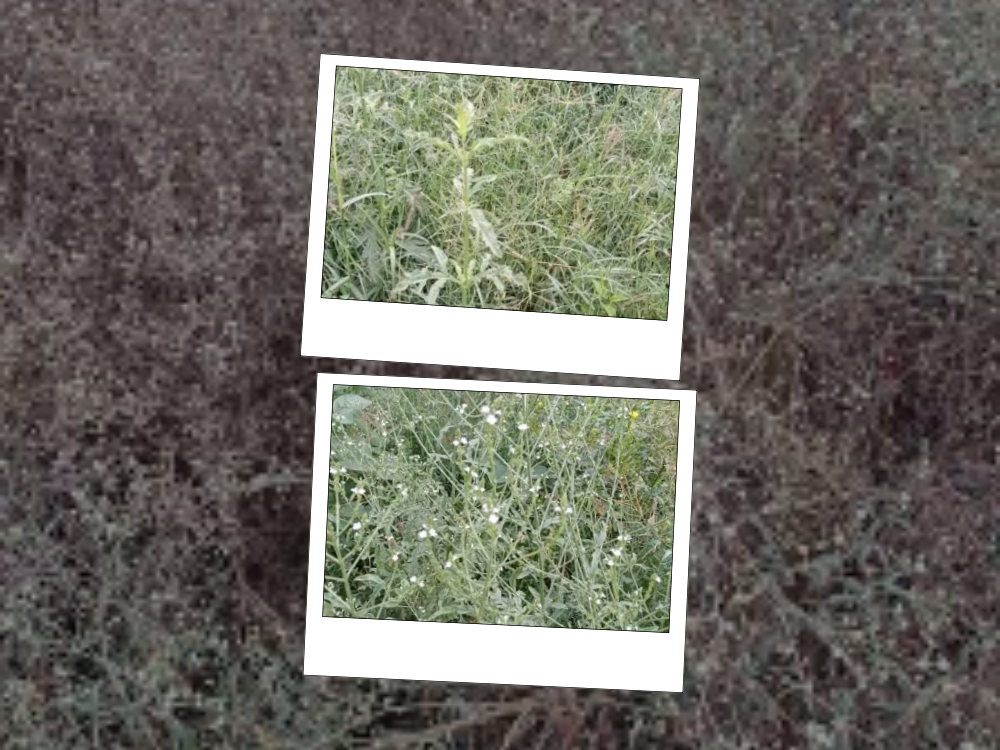
The plant generally grows to a height of approximately 9–10 inches (23–25 cm). Its leaves closely resemble those of Tulsi (holy basil) and Raihan (sweet basil). It is described in traditional literature as a variety of Raihan.
The flowers and fruits are also similar to those of Raihan, although they tend to grow in a more upright and elevated arrangement. All parts of the plant produce a strong, pleasant fragrance when crushed, particularly the tender leaves.
Another Variety: Nagand Babri
Another variety has leaves resembling those of Pudina (mint). It generally grows to a height of 5–8 inches (13–20 cm), with branches emerging around the central stem.
Its leaves, flower spikes, and seeds resemble those of Tulsi. This variety is known as Nagand Babri and is traditionally considered more potent than ordinary Nagand.
Seasonal Growth
Nagand Babri follows a distinctive seasonal growth cycle:
February: The plant begins to emerge.
April: Flowering takes place.
May: The seeds ripen.
June: The plant gradually begins to dry.
It commonly grows wild in gardens, agricultural fields, and damp soil. Both its leaves and fruits produce a sharp, camphor-like fragrance. During its early growth stage, when the plant is still small, it closely resembles mint.
Temperament (Mizaj)
According to Unani medicine, Nagand Babri has a hot and dry temperament of the second degree.
Medicinal Properties and Actions
Nagand Babri is traditionally recognized for several medicinal properties, including:
Blood Purifier (Musaffi-e-Khoon): Traditionally believed to cleanse and purify the blood.
Antidote (Taryaq-e-Samoom): Traditionally used as an antidotal remedy against certain poisons.
Resolvent (Muhallil-e-Awram): Used to reduce or resolve swellings.
Febrifuge: Traditionally employed to help reduce fever.
Skin Remedy: Used in traditional preparations for various skin complaints and inflammatory swellings.
Traditional Medicinal Uses of Nagand Babri
Blood Purification
One of the principal traditional uses of Nagand Babri is blood purification. In Unani medicine, an infusion (Khisanda) prepared from the plant is traditionally consumed for this purpose.
The strained infusion is sometimes combined with black pepper as part of traditional formulations. It has historically been recommended for skin conditions believed to be associated with impurities in the blood.
Skin Diseases and Leprosy
Nagand Babri is traditionally used in preparations for various skin disorders, including leprosy (Juzam), syphilis (Atishak), scabies, and other skin complaints.
Its blood-purifying and cleansing properties are believed in traditional medicine to help address these conditions.
However, leprosy and syphilis are serious infectious diseases that require specific medical treatment. This herb should not be used as a substitute for prescribed medicines.
Vitiligo (Baras)
The plant is also traditionally recommended for vitiligo, known in Unani medicine as Baras. Its juice (Sheera) is used in historical preparations intended to address changes in skin pigmentation.
The traditional application is based on its attributed cleansing and skin-supporting properties. There is no established clinical evidence that it restores skin pigmentation.
Scabies and Skin Pustules
Due to its traditional blood-purifying and cleansing actions, Nagand Babri is used for scabies and various types of skin eruptions and pustules.
Its preparations are believed to help resolve skin-related complaints and improve the condition of affected areas.
Intermittent Fever
Nagand Babri is traditionally used for intermittent fevers, including quartan fever (Tap-e-Ruba), a type of fever historically associated with recurring episodes.
According to traditional practice, the powdered plant is consumed with goat's milk for this purpose.
Persistent or recurring fever requires medical investigation to identify its underlying cause.
Hemorrhoidal Swellings
The juice (Sheera) of Nagand Babri is also traditionally used for hemorrhoidal swellings. Its resolvent properties are believed to help reduce swelling and discomfort associated with this condition.
Swellings and Inflammation
As a traditional resolvent of swellings (Muhallil-e-Awram), the plant is used for different types of cutaneous and external swellings.
Traditional preparations may be applied externally or consumed for complaints involving skin-related swelling. However, unexplained or persistent swellings should be medically evaluated.
Traditional Use as an Antidote to Poisons
Nagand Babri is traditionally regarded as an antidote to certain poisons of animal and plant origin. Its antidotal property is known in Unani terminology as Taryaq-e-Samoom.
Historically, it has been used in preparations intended to provide protection against toxic substances. However, there is no reliable evidence that it neutralizes poisoning. Suspected poisoning requires immediate emergency medical attention.
Dosage (Miqdar-e-Khurak)
The traditionally mentioned dosage of Nagand Babri ranges from:
6 mashas: Approximately 7.5 grams.
1 tola: Approximately 11.66 grams.
These are historical Unani dosage measurements converted into modern metric units. They should not be interpreted as established safe or effective doses.
Safety Precautions
Although Nagand Babri has several traditional medicinal applications, its botanical identity and chemical composition require confirmation before medicinal use.
Do not use it as a substitute for medical treatment of leprosy, syphilis, scabies, or other infectious diseases.
Do not rely on it as an antidote for poisoning.
Avoid self-medication with concentrated extracts or large quantities of the plant.
Consult a qualified healthcare professional before using it internally, particularly during pregnancy, breastfeeding, or when taking other medicines.
Recent Posts

Curculigo Orchioides (Black Musli): Description, Traditional Uses, and Medicinal Properties

Mimusops elengi Linn. (Mulsari): Traditional Medicinal Uses, Properties, and Benefits

Pyrethrum Indicum (Bozidan): Traditional Medicinal Uses, Properties, and Benefits






Mesua ferrea (Nagkesar): Description, Medicinal Properties, and Traditional Uses


