






Rubinus (Yaqoot): Traditional Medicinal Properties, Uses, and Benefits
Introduction
Rubinus, commonly known as Yaqoot or ruby, is a precious gemstone traditionally valued for its beauty and medicinal significance. It is counted among the Nine Gems (Navratnas) and holds an important place in traditional Unani medicine and gemstone-based remedies.
Yaqoot is a variety of corundum and is primarily recognized for its red colour, although other colour varieties are also described in traditional mineral classifications. In Unani medicine, it is regarded as an exhilarating agent (Mufarrih) and a tonic for the heart and brain. Traditional formulations containing Yaqoot were used to strengthen vital organs, support the body's natural vitality, and address various health complaints.
Description and Varieties of Yaqoot
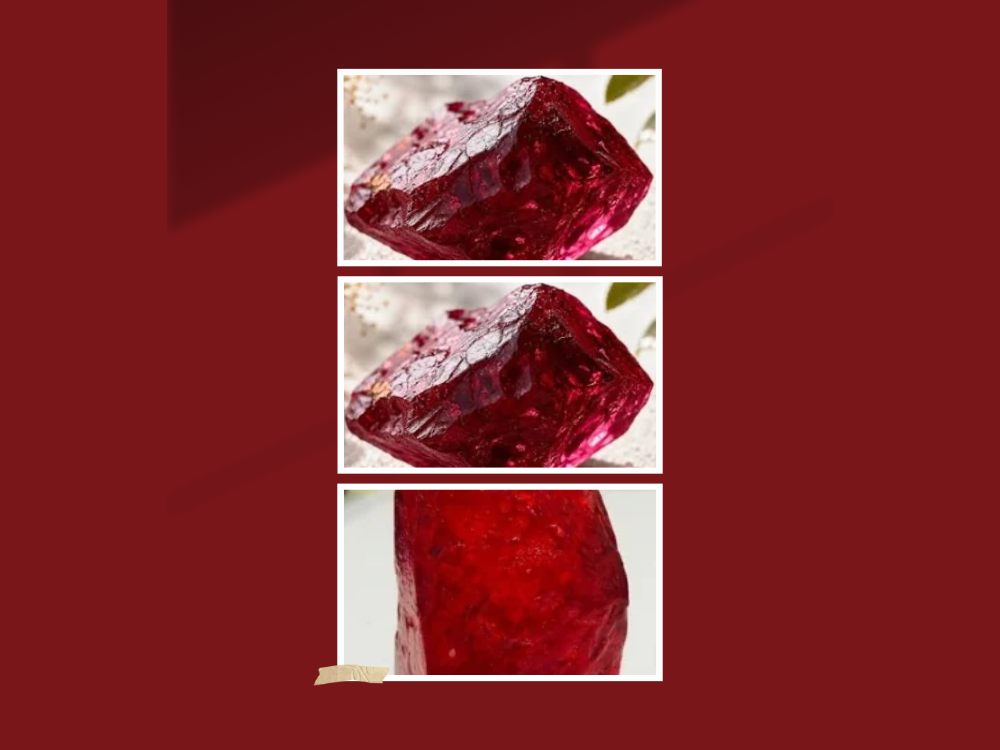
Yaqoot is a precious mineral gemstone belonging to the corundum family. Traditionally, it is considered one of the most valuable gemstones, ranking second only to diamond in certain historical classifications.
It is commonly described in three principal varieties based on colour:
1. Red Yaqoot (Yaqoot Rummani)
Yaqoot Rummani is the finest and most highly valued variety. Its deep red colour resembles the seeds of a pomegranate, from which it derives its name. It is traditionally considered the most desirable variety for medicinal and ornamental purposes.
2. Yellow Yaqoot
The yellow variety is traditionally associated with Pukhraj (yellow sapphire) and is also referred to as Sabraq in Arabic descriptions.
3. Blue Yaqoot
The blue variety is known as Neelam (blue sapphire). It is recognized for its distinctive blue colour and is valued as a precious gemstone.
4. Green Variety
A rare green variety is also mentioned in traditional mineral descriptions. Its colour resembles that of a pistachio, making it distinct from the more commonly recognized varieties.
Note: In modern gemology, ruby and blue or yellow sapphires are colour varieties of corundum. Ruby specifically refers to red corundum, while other colours are classified as sapphires.
Temperament
According to traditional Unani medicine, Yaqoot has the following temperament:
Heat and cold: Temperate (moderate).
Moisture and dryness: Dry in the second degree.
Medicinal Properties and Traditional Actions
Traditional Unani literature attributes several medicinal properties to Yaqoot, particularly in preparations made from finely processed or calcined gemstones.
Its principal actions include:
Exhilarant (Mufarrih): Traditionally believed to promote happiness and refreshment.
Heart tonic: Used in formulations intended to strengthen the heart.
Brain tonic: Traditionally associated with supporting brain function.
Vitality stimulant: Believed to preserve innate vital heat (Hararat-e-Ghareezi).
Antidotal property: Traditionally described as an antidote to harmful airborne substances.
Astringent: Historically used in preparations intended to control bleeding.
Traditional Medicinal Uses of Yaqoot
Strengthening the Heart and Brain
Yaqoot is traditionally regarded as an important ingredient in preparations designed to strengthen the heart and brain. Its exhilarating and tonic properties have made it a component of certain Unani formulations intended to support the vital organs (A'za-e-Ra'eesa).
It was traditionally believed to preserve innate vital heat and maintain the body's natural vitality.
Traditional Use for Epilepsy
Historical Unani literature mentions Yaqoot in preparations for epilepsy and other neurological complaints. Its traditional classification as a brain tonic and exhilarating agent contributed to its inclusion in certain compound medicines.
However, there is no reliable clinical evidence that ruby or its preparations can treat epilepsy. Epilepsy requires appropriate medical diagnosis and treatment.
Traditional Use for Mental Disorders
Yaqoot was historically included in formulations intended for people experiencing mental disturbances or conditions described in older medical texts as insanity.
Its traditional association with brain strengthening and mental refreshment explains its historical use. It should not be considered a treatment for psychiatric or neurological disorders.
Heart Palpitations
Due to its traditional reputation as a heart tonic, Yaqoot was used in preparations intended to relieve heart palpitations and strengthen cardiac function.
However, palpitations can have several underlying causes, including heart rhythm disorders, and require appropriate medical assessment.
Traditional Use During Plague
Some traditional Unani texts mention Yaqoot as an ingredient in preparations used during plague outbreaks. Its supposed antidotal properties were historically associated with protection against harmful airborne substances.
There is no scientific evidence that ruby prevents or treats plague or other infectious diseases. Such conditions require appropriate medical treatment.
Hemorrhages and Bleeding
Yaqoot is traditionally described as an astringent substance, meaning that it was believed to help control excessive bleeding.
For this reason, it was included in historical formulations intended for hemorrhagic conditions. However, gemstone preparations have no established role in treating internal or external bleeding.
Traditional Use for Tuberculosis
Historical medicinal accounts also mention Yaqoot in preparations for tuberculosis, traditionally referred to as Sil-o-Daq.
Its tonic properties were believed to help strengthen the body and support vitality. Nevertheless, tuberculosis is a serious infectious disease requiring appropriate diagnostic testing and effective antimicrobial treatment.
Traditional Use for Eye Conditions
Yaqoot was also used in traditional eye preparations, particularly in the form of Surma (kohl).
Historical literature describes its use for several vision-related complaints, including:
Poor eyesight.
Corneal opacities (Jala).
White or cloudy spots on the cornea (Phoola).
Blurred vision.
These applications were based on its traditional medicinal classification. However, ruby powder or homemade gemstone kohl should never be applied to the eyes. Such preparations may cause irritation, injury, or contamination. Only medically approved ophthalmic products should be used.
Traditional Medicinal Preparations
Yaqoot was traditionally processed into different forms for medicinal applications.
Salaya (Finely Levigated Powder)
Salaya refers to a finely ground and levigated preparation of the gemstone. In traditional medicine, it was used in small quantities as an ingredient in compound formulations.
Kushta (Calcined Preparation)
Kushta is a traditional calcined preparation made through specialized processing methods. Yaqoot was historically converted into this form for use in Unani medicinal formulations.
These preparations require specialized pharmaceutical knowledge and should not be manufactured or consumed at home. Their safety and effectiveness have not been established through reliable clinical studies.
Specific Medicinal Benefits
According to traditional Unani literature, the two principal properties of Yaqoot are:
Exhilarant (Mufarrih): Traditionally associated with refreshment and revitalization.
Heart and brain tonic: Historically used in formulations intended to strengthen the vital organs.
Traditional Dosage
Historical Unani references mention the following quantities:
Salaya (levigated powder): Half a ratti.
Kushta (calcined preparation): 2–4 rattis.
These are historical dosage references only and should not be interpreted as safe or recommended modern doses. There is insufficient clinical evidence to establish the safety, purity, or effectiveness of these preparations.
Safety Precautions
Although Yaqoot has a long history in traditional gemstone-based medicine, its medicinal benefits have not been established by modern clinical research.
Important precautions include:
Do not consume raw ruby powder or homemade gemstone preparations.
Do not use unverified Kushta products without professional assessment.
Never apply homemade gemstone powders or preparations directly to the eyes.
Do not use Yaqoot as a substitute for prescribed treatment for epilepsy, tuberculosis, heart disease, plague, or bleeding disorders.
The purity and safety of commercially available gemstone preparations should not be assumed.
Recent Posts

Curculigo Orchioides (Black Musli): Description, Traditional Uses, and Medicinal Properties

Mimusops elengi Linn. (Mulsari): Traditional Medicinal Uses, Properties, and Benefits

Pyrethrum Indicum (Bozidan): Traditional Medicinal Uses, Properties, and Benefits






Mesua ferrea (Nagkesar): Description, Medicinal Properties, and Traditional Uses


