






Sapphire (Neelam): Traditional Medicinal Uses and Benefits
Description
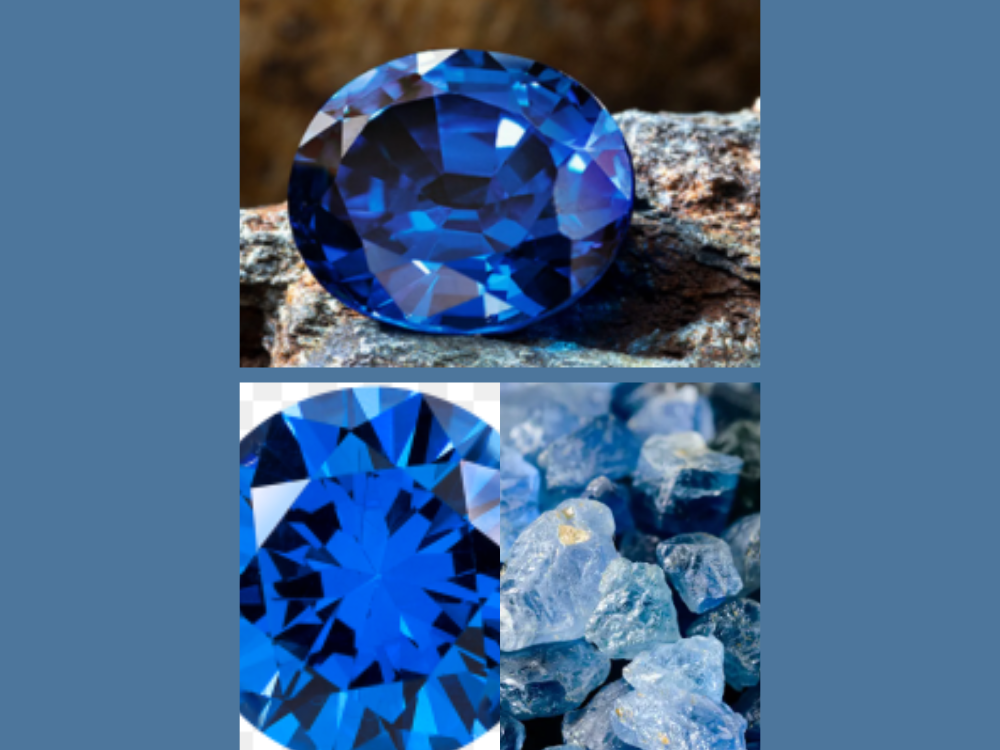
Sapphire is a well-known precious mineral gemstone valued for its beauty, brilliance, and attractive blue colour. High-quality sapphires possess a lustrous appearance and are commonly cut and polished for use in jewelry. They are often set in gold or silver rings and other decorative ornaments.
Temperament
According to traditional Unani medicine, sapphire is considered hot in the first degree and dry in the third degree.
Medicinal Properties and Actions
In traditional medicine, sapphire is attributed with several medicinal properties. Its principal actions include:
Exhilarant (Mufarreh): Traditionally believed to elevate mood and promote emotional well-being.
Heart Tonic (Muqawwi-e-Qalb): Used in traditional formulations intended to strengthen the heart.
Brain Tonic (Muqawwi-e-Dimagh): Traditionally considered beneficial for strengthening brain functions.
Antidote (Tiryaq): Historically regarded as an antidotal substance.
Preservative of Innate Heat (Hafiz-e-Hararat-e-Gharizi): Believed to preserve the body's natural vital heat and support its essential functions.
Cleansing Agent (Jali): Traditionally used for its cleansing properties, particularly in eye preparations.
Medicinal Uses of Sapphire
For Heart and Brain Strength
Due to its traditionally recognized exhilarant and tonic properties, sapphire is used in Unani formulations intended to strengthen the heart and brain. It is traditionally associated with supporting vital faculties and improving mood.
For Epilepsy, Anxiety and Palpitations
Traditional Unani literature describes sapphire as beneficial for conditions such as epilepsy, obsessive thoughts (waswas), anxiety, and heart palpitations. It has historically been included in formulations intended to support the nervous and cardiovascular systems.
As an Antidote
Sapphire has traditionally been regarded as an antidote (tiryaq). Historical Unani sources mention its use during outbreaks of plague and epidemics associated with corrupted air.
For Preserving Vital Heat
Sapphire is traditionally believed to preserve innate vital heat (hararat-e-gharizi) and maintain the body's vital faculties. It is therefore described as a strengthening substance that supports the overall constitution.
For Eye Health and Vision
Because of its cleansing (jali) properties, sapphire is traditionally used in the form of surma (collyrium). Traditional preparations are described as beneficial for strengthening eyesight and addressing certain eye conditions, including corneal opacities (jala), phoola (white spots or opacity of the cornea), and blurred vision (dhund).
Forms of Use
Sapphire is traditionally used in different preparations, particularly:
Kushta: A specially processed and calcined preparation of the gemstone.
Salaya: A finely ground preparation used in traditional formulations.
Specific Benefits
Exhilarant and tonic for the heart.
Dosage
Traditional Unani references mention the following quantities:
Kushta (calcined preparation): 0.5–1 rati (approximately 60–120 mg).
Salaya (finely ground preparation): 2–4 rati (approximately 240–480 mg).
Safety Precautions
Sapphire is a mineral gemstone, and traditional medicinal claims about its use have not been established by modern clinical evidence. Calcined or powdered gemstone preparations should not be consumed or applied to the eyes without appropriate professional assessment. Eye conditions such as corneal opacity and blurred vision require examination by an eye specialist. Raw or improperly processed mineral preparations may also contain harmful impurities.
Recent Posts

Curculigo Orchioides (Black Musli): Description, Traditional Uses, and Medicinal Properties

Mimusops elengi Linn. (Mulsari): Traditional Medicinal Uses, Properties, and Benefits

Pyrethrum Indicum (Bozidan): Traditional Medicinal Uses, Properties, and Benefits






Mesua ferrea (Nagkesar): Description, Medicinal Properties, and Traditional Uses


