



Sneeze Wort: Medicinal Properties, Traditional Uses, and Health Benefits
Introduction
Sneeze wort is a traditional medicinal herb known for its ability to induce sneezing and help clear blocked nasal passages. It has historically been used in Unani medicine for respiratory complaints, nervous disorders, and conditions associated with excessive phlegm (Balgham). The plant is also traditionally valued for its stomach-strengthening, appetite-stimulating, and cleansing properties.
Its distinctive ability to trigger sneezing has made it an ingredient in traditional preparations for catarrh, nasal congestion, and headaches associated with cold humors.
Botanical Description and Habitat
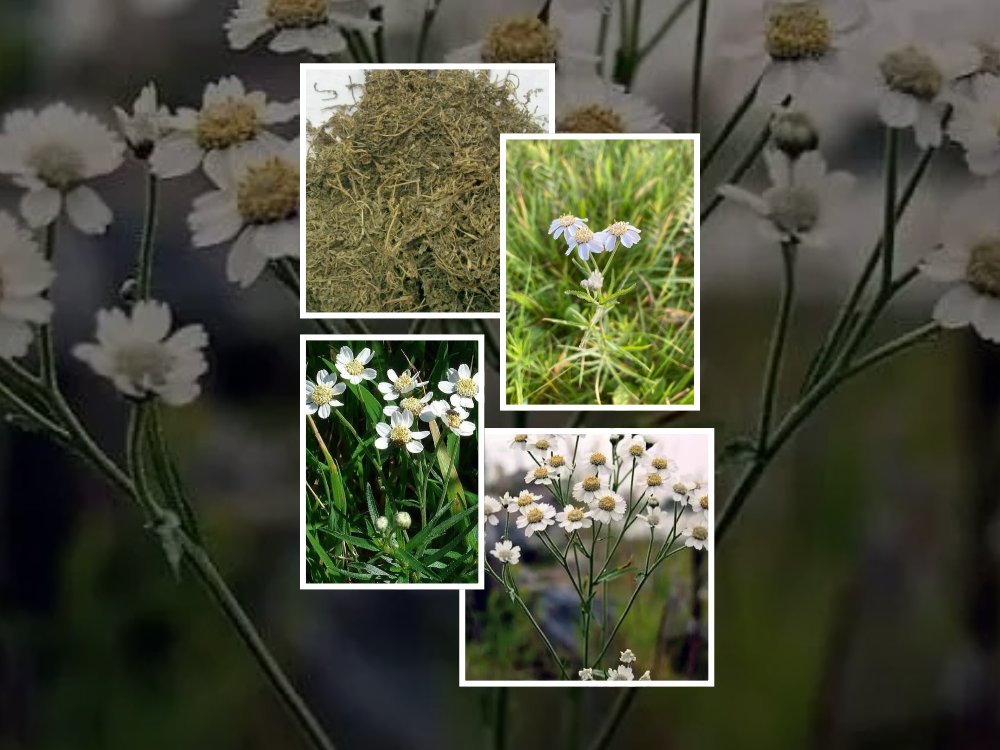
Sneeze wort is a native herb with a greenish-yellow appearance. It generally grows close to the ground in a clustered, spreading manner and thrives in hard but moist soil.
Leaves
The leaves are small and resemble those of the carrot plant, although they are considerably smaller. They grow in clusters and remain close to the ground.
Flowers
The flowers are white or yellowish and appear in clusters.
Distinctive Characteristics
One of the most notable characteristics of sneeze wort is its ability to induce sneezing. When its leaves or other parts are rubbed between the hands and their scent is inhaled, they produce a sneezing response.
Some traditional sources have incorrectly identified this herb as Kundush or Ood-ul-Attas. These names should not be considered confirmed botanical synonyms without further identification.
Chemical Constituents
Sneeze wort contains several chemical constituents that contribute to its traditional medicinal properties. These include:
Volatile oils
Myriogynin, a potent active principle mentioned in traditional descriptions
Glycosides
Other naturally occurring substances
Temperament (Mizaj)
According to Unani medicine, sneeze wort has a hot and dry temperament of the third degree.
Medicinal Properties and Actions
Sneeze wort is traditionally recognized for its sternutatory, cleansing, and tonic properties. Its principal medicinal actions include:
Sternutatory: Induces sneezing and helps stimulate the nasal passages.
Nervine remedy: Traditionally used for certain nervous complaints.
Phlegm-related disorders: Used in conditions associated with excessive or accumulated phlegm.
Stomach tonic: Traditionally believed to strengthen the stomach and improve digestive function.
Sexual tonic: Used in traditional medicine to support sexual potency.
Detergent property: Considered a cleansing agent and used in external preparations.
Traditional Medicinal Uses of Sneeze Wort
Blocked Nasal Passages and Catarrh
One of the principal traditional uses of sneeze wort is relieving blocked nasal passages and catarrh. Its sternutatory properties stimulate sneezing, which is traditionally believed to help expel accumulated mucus and unwanted substances from the nasal passages.
It is particularly recommended in Unani medicine for conditions associated with cold and phlegmatic humors.
Catarrhal Headaches
Sneeze wort is traditionally used as a snuff for headaches associated with catarrh and cold humors. Inhaling its powdered form is believed to stimulate the nasal passages and help remove accumulated mucus, thereby providing relief from congestion-related headaches.
Nervous and Phlegmatic Disorders
Due to its traditionally recognized effects on nervous and phlegmatic conditions, sneeze wort is included in certain Unani preparations for related complaints. Its warming temperament is considered particularly suitable for conditions attributed to excessive coldness and moisture.
Traditional Use for Back Pain
A traditional account describes the use of dried and finely powdered sneeze wort for chronic back pain. According to this account, the powder was consumed with milk or tea, and relief was reportedly experienced within fifteen days.
This is an anecdotal traditional use rather than a clinically established treatment. Persistent back pain requires proper medical assessment.
Strengthening the Stomach and Improving Appetite
Sneeze wort is also traditionally regarded as a stomach tonic. It is used in preparations intended to strengthen digestive function, improve appetite, and address certain stomach-related complaints.
Supporting Sexual Potency
In Unani medicine, sneeze wort is traditionally considered a tonic for sexual potency. It has been used in preparations intended to enhance virility and support reproductive health. However, these benefits have not been established through reliable clinical evidence.
Hardening of the Spleen
Traditional medicinal literature also mentions sneeze wort for resolving induration, or abnormal hardening, of the spleen. This is a historical application and should not replace medical investigation of an enlarged or hardened spleen.
Ringworm and Skin Conditions
Because of its detergent or cleansing properties, sneeze wort is traditionally applied externally as a Zimad (medicinal poultice or paste) for treating ringworm (Daad).
However, ringworm is a fungal infection that requires appropriate antifungal treatment. Traditional herbal poultices should not replace proven medical care.
Specific Benefit
Relief from Catarrh: Sneeze wort is particularly recognized in traditional medicine for its sternutatory action, which induces sneezing and helps clear blocked nasal passages.
Substitute (Badal)
According to traditional Unani references, Kaalphal is considered a substitute for sneeze wort when its primary purpose is to induce sneezing.
Traditional Dosage (Miqdar-e-Khurak)
The traditionally mentioned dosage of sneeze wort is three to five mashas. However, this historical dosage should not be interpreted as a medically established safe amount.
Harmful Effects and Safety Precautions
The supplied traditional description does not specify particular harmful effects. Nevertheless, the herb's ability to provoke sneezing suggests that it may irritate the nasal passages in some individuals.
Inhaling unidentified plant powders or using them as snuff may cause nasal irritation, allergic reactions, or respiratory discomfort. Its botanical identity and chemical composition should be confirmed before medicinal use. Internal consumption is not recommended without guidance from a qualified healthcare professional, particularly because its safety and appropriate dosage have not been established.
Conclusion
Sneeze wort is a traditional medicinal herb valued in Unani medicine for its distinctive sneezing-inducing properties. It has historically been used for catarrh, nasal congestion, cold-related headaches, phlegmatic complaints, digestive weakness, and certain skin conditions. Its traditional applications also include supporting sexual potency and addressing spleen-related complaints. Although the herb holds an interesting place in traditional medicine, its botanical identity, therapeutic effectiveness, and safety require further scientific investigation.
Recent Posts
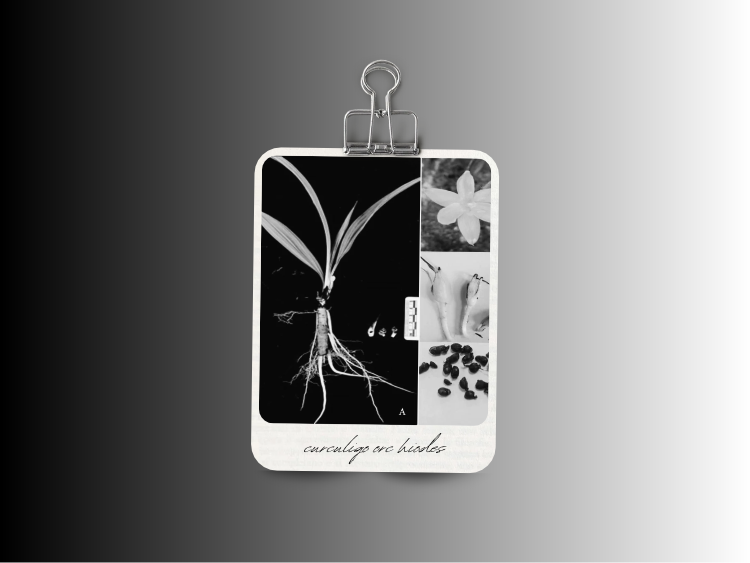
Curculigo Orchioides (Black Musli): Description, Traditional Uses, and Medicinal Properties
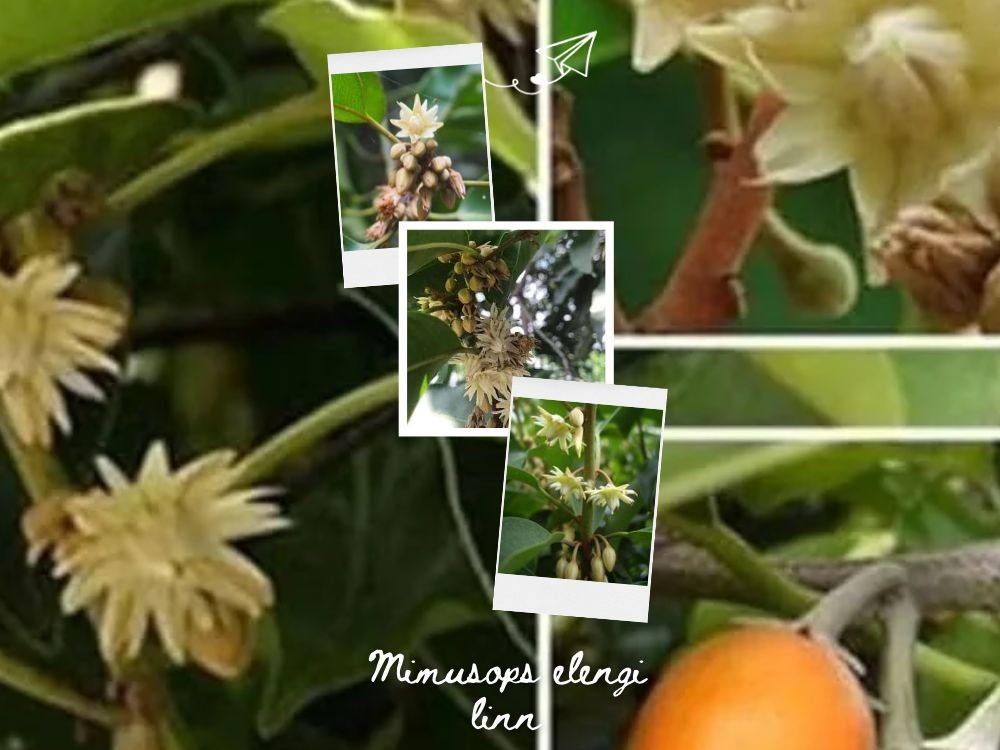
Mimusops elengi Linn. (Mulsari): Traditional Medicinal Uses, Properties, and Benefits
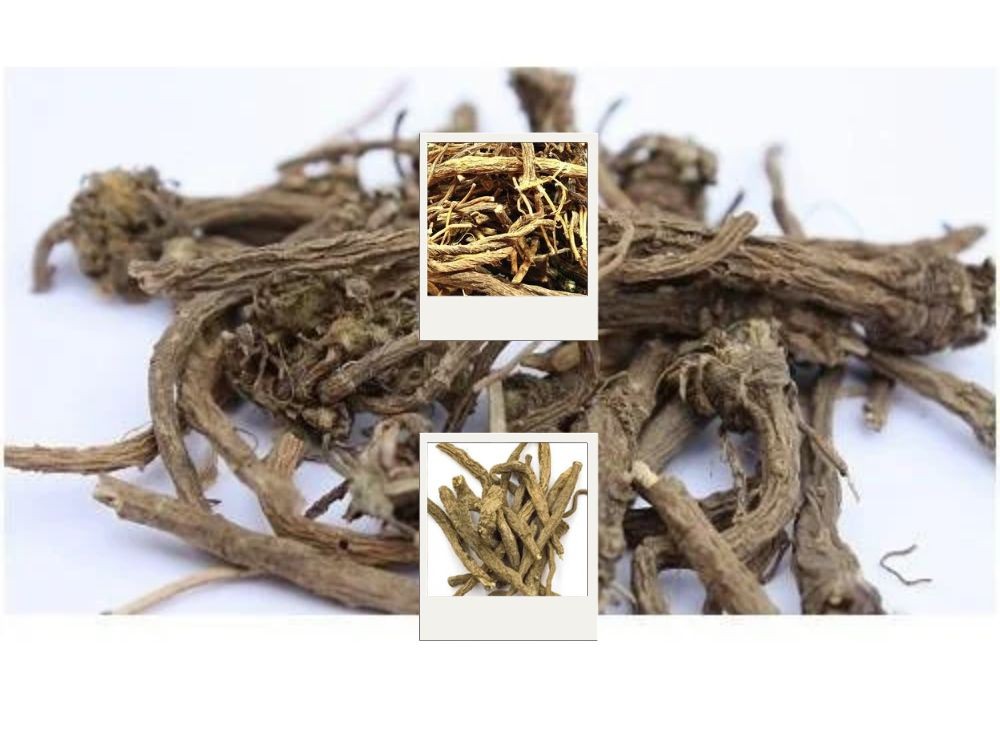
Pyrethrum Indicum (Bozidan): Traditional Medicinal Uses, Properties, and Benefits


Mesua ferrea (Nagkesar): Description, Medicinal Properties, and Traditional Uses