



Sulphur (Gandhak): Medicinal Uses, Properties, and Health Benefits
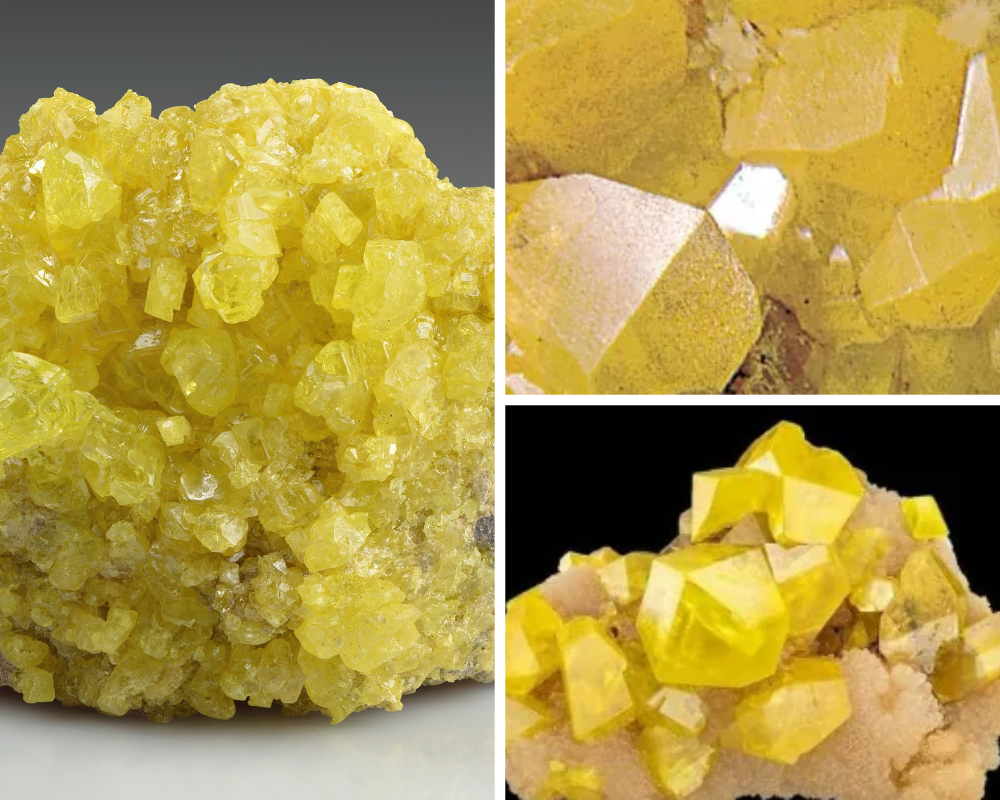
Introduction
Sulphur, commonly known as Gandhak in traditional medicine, is a naturally occurring mineral element found in pure form as well as in combination with other substances. It has a long history of use in traditional Ayurvedic and Unani medicine, particularly in preparations intended for skin conditions, digestive complaints, and respiratory problems.
Sulphur is traditionally valued for its cleansing, drying, antiseptic, laxative, and blood-purifying properties. It is used in various medicinal preparations, including ointments, powders, syrups, and herbal compounds.
Nature and Occurrence
Sulphur is a mineral element that occurs naturally in both pure and combined forms. In volcanic regions such as Italy and Sicily, it is found in its natural state or combined with metals in compounds known as sulphides.
For example, lead sulphide and other metallic sulphides occur naturally and can be processed to obtain their constituent elements through appropriate chemical methods.
Sulphur is also found in certain natural mineral springs. Historically, bathing in sulphur-containing waters has been associated with relief from certain skin complaints. It may also occur in the form of magnesium sulphate, calcium sulphate, and sodium sulphate. Additionally, sulphur is present as a constituent of various plants and biological substances.
Sulphur is a distinctive element that melts at approximately 239°F (115°C). It is insoluble in water and alcohol but dissolves in turpentine oil and certain other oils.
Varieties of Sulphur
According to traditional descriptions, sulphur is classified into two well-known varieties:
1. Gandhak Amla Sar
This variety has a distinctive lustre and appearance. It is traditionally used in medicinal preparations only after undergoing an appropriate purification process known as Tadbeer.
2. Danda Gandhak
This variety lacks the characteristic lustre of the first type. It is generally used in the preparation of medicinal ointments and other external applications.
Temperament
According to traditional Unani medicine, sulphur has a hot and dry temperament in the third degree.
Medicinal Properties and Actions
Sulphur is traditionally recognised for its following medicinal properties:
Desiccant: Helps absorb moisture and dry excessive secretions.
Detergent: Traditionally used for cleansing the skin and removing impurities.
Laxative: Helps promote bowel movements.
Blood Purifier: Traditionally used in preparations intended to purify the blood.
Expectorant: Traditionally used to help loosen and expel respiratory mucus.
Sedative: Considered soothing in certain traditional preparations.
Antiseptic: Valued for its germ-inhibiting properties.
Haemostatic: Traditionally used to help control bleeding.
Medicinal Uses and Health Benefits
1. Skin Diseases and Disorders
Sulphur is particularly well known for its traditional use in treating various skin conditions. Because of its cleansing, antiseptic, and drying properties, it is included in preparations for psoriasis, acne, scabies, and other chronic skin eruptions.
It is used both internally in specially prepared traditional formulations and externally in the form of ointments.
2. Psoriasis and Chronic Skin Eruptions
In traditional medicine, sulphur is used in preparations for psoriasis and certain persistent skin eruptions, including a condition known as Nar-Farsi. Its cleansing and drying properties are considered beneficial in these applications.
3. Acne and Pimples
Sulphur has traditionally been used in topical preparations for acne and pimples. Its cleansing and drying properties make it a familiar ingredient in skincare ointments.
4. Scabies and Ringworm
Sulphur is traditionally used in ointments for scabies and fungal skin conditions such as ringworm, known as Quba. Its antiseptic and skin-cleansing properties contribute to its traditional dermatological applications.
5. Ulcers and Skin Sores
Sulphur is also used in traditional preparations for Kal'ah, referring to certain ulcerations and sores. It may be incorporated into ointments intended for affected skin areas.
6. Vitiligo and Skin Discolouration
Traditional medicinal texts describe the use of sulphur in preparations for Bahaq (certain forms of skin discolouration or pityriasis) and Baras (vitiligo). However, these conditions have different causes and should not be treated interchangeably.
7. Hair Loss and Alopecia
Sulphur is mentioned in traditional remedies for Ganj (hair loss), Dawa al-Tha'lab (alopecia areata), and Dawa al-Hayyah (serpiginous skin lesions). Certain topical preparations have historically been used for these conditions.
8. Foul-Smelling and Infected Wounds
Due to its traditionally recognised antiseptic and cleansing properties, sulphur is included in some external preparations for foul-smelling, festering, and infected wounds.
9. Haemorrhoids and Anal Fissures
Sulphur is traditionally used for haemorrhoids and anal fissures because of its laxative properties. It is also included in certain compound preparations intended to relieve associated digestive complaints.
10. Mild Constipation
Its traditional laxative action makes sulphur an ingredient in some preparations for mild constipation. However, its use for this purpose requires caution because medicinal sulphur preparations can have unwanted effects.
11. Cough and Asthma
Sulphur is traditionally described as an expectorant and is used in certain preparations for cough and asthma. These traditional applications should not replace established respiratory treatments.
12. Tuberculosis and Spitting Blood
Traditional medicinal texts describe the use of sulphur mixed with syrups or Khamiras for tuberculosis and haemoptysis (spitting blood), based on its traditionally attributed haemostatic properties.
However, sulphur is not an established treatment for tuberculosis or pulmonary bleeding. Both conditions require prompt medical diagnosis and appropriate treatment.
Specific Benefit
One of the principal traditional benefits attributed to sulphur is its blood-purifying action, known in Unani medicine as Musaffi-e-Khoon.
Traditional Dosage
The traditionally stated dosage of sulphur is
Half a masha to one masha (approximately 0.5–1 gram).
The actual dosage depends on the type of sulphur, its purification, formulation, and intended use. This traditional quantity should not be considered a safe self-medication recommendation.
Compound Medicinal Preparations
Sulphur is traditionally incorporated into several compound medicinal formulations, including:
Safoof Sanasos
Ma'joon-e-Bawasir
Marham-e-Ashq
Zimad-e-Jarab
Zimad-e-Ashq
These preparations are used in traditional systems of medicine for different purposes, particularly dermatological and digestive complaints.
Safety Precautions
Sulphur must be handled carefully, particularly when used for medicinal purposes. Traditional medicinal sulphur may require specialised purification and preparation before use. Raw industrial sulphur, purified medicinal sulphur, and sulphur-containing compounds are not interchangeable.
Oral use without professional supervision is not recommended. Excessive exposure or inappropriate ingestion may cause gastrointestinal irritation and other adverse effects. Topical sulphur preparations may cause dryness, redness, irritation, or allergic reactions in some individuals.
People with sensitive skin should seek professional advice before using sulphur ointments. Avoid applying preparations to the eyes, mucous membranes, or large areas of damaged skin unless specifically directed by a healthcare professional.
Sulphur should not be considered a treatment for tuberculosis, asthma, vitiligo, or other serious medical conditions. Anyone experiencing persistent skin problems, breathing difficulties, or coughing up blood should seek appropriate medical care.
Recent Posts
Curculigo Orchioides (Black Musli): Description, Traditional Uses, and Medicinal Properties
Mimusops elengi Linn. (Mulsari): Traditional Medicinal Uses, Properties, and Benefits
Pyrethrum Indicum (Bozidan): Traditional Medicinal Uses, Properties, and Benefits
Mesua ferrea (Nagkesar): Description, Medicinal Properties, and Traditional Uses