






Sweet Flag (Acorus calamus): Medicinal Properties, Traditional Uses, and Benefits
Introduction
Sweet flag, scientifically known as Acorus calamus, is an aromatic medicinal plant traditionally used in Unani and herbal medicine. Its roots are particularly valued for their distinctive fragrance and medicinal properties. In traditional practice, sweet flag is used for various conditions related to the brain, nerves, digestive system, respiratory health, and skin. It is also recognized for its traditional cleansing, expectorant, and carminative properties.
Botanical Description and Habitat
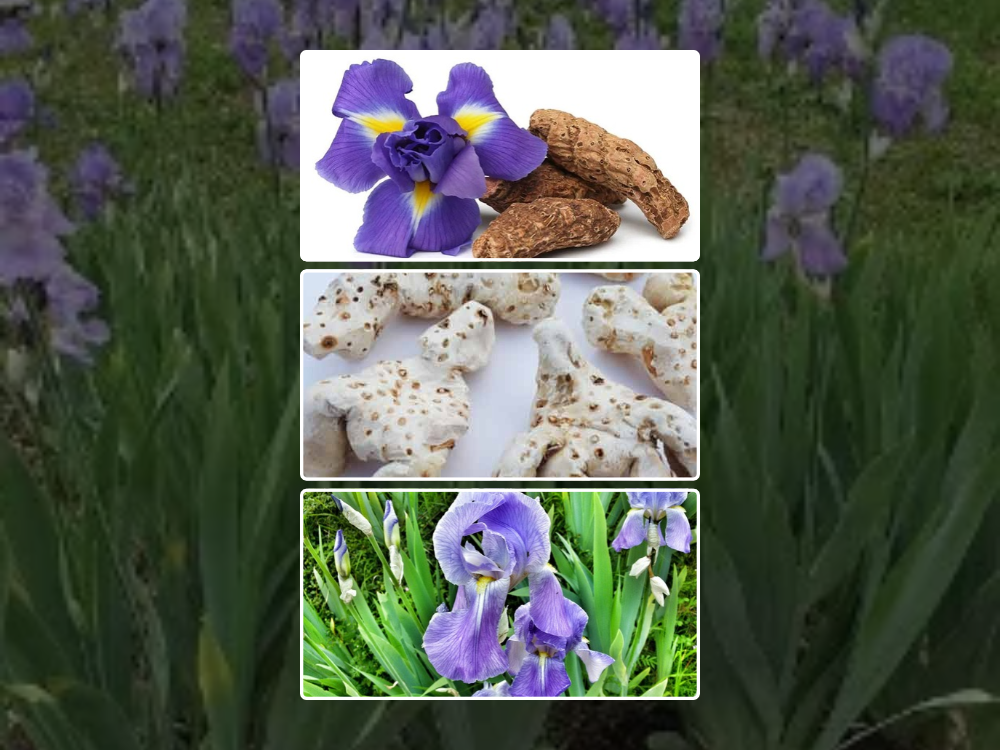
Sweet flag grows naturally in damp and marshy soil, particularly near ponds, streams, and other water sources. It is commonly found in mountainous regions at elevations ranging from 3,000 to 6,000 feet. Its geographical distribution includes Kashmir, the Naga Hills of Manipur in India, and Kangra. It is also found in Burma, Khorasan, Europe, and America.
Leaves
The leaves are long, slender, and rough in texture. They closely resemble the leaves of Nargis (daffodil or narcissus).
Flowers and Roots
The flowers are generally bluish, although their colors may vary. The roots are long, knotty, whitish, and strongly aromatic. They are traditionally collected during the autumn season for medicinal purposes.
Varieties of Sweet Flag
Sweet flag is traditionally classified into two varieties:
Bal-Bach: This variety is aromatic and is primarily used in traditional medicines intended for human consumption.
Ghora-Bach: This variety has thick, hollow roots and is generally used in medicinal preparations for horses. The name Ghora-Bach refers to its traditional association with equine medicine.
Chemical Constituents
Sweet flag contains several chemical constituents that contribute to its characteristic properties. These include volatile oil, starch, mucilage, and pungent substances.
Temperament (Mizaj)
According to Unani medicine, sweet flag has a hot temperament of the third degree and a dry temperament of the second degree.
Medicinal Properties and Actions
In traditional medicine, sweet flag is attributed with several therapeutic properties. It is believed to dissolve and eliminate accumulated phlegm (Balgham) and help relieve flatulence (Riyah). It is also traditionally considered beneficial for cleansing the brain and nerves.
Its Jali (cleansing or detergent) property makes it useful in traditional preparations for the eyes and skin. Additionally, it is regarded as a stomach tonic and carminative that helps relieve digestive discomfort. It is also traditionally used to promote urination and menstrual flow.
Traditional Medicinal Uses of Sweet Flag
Brain and Nervous System Disorders
Sweet flag is traditionally valued for its effects on the brain and nervous system. In Unani medicine, it is used in preparations for neurological conditions such as facial paralysis (Luqwa), hemiplegia and paralysis (Falij), numbness (Khadar), tremors (Ra'sha), moist convulsions (Tashannuj-e-Ratb), and forgetfulness (Nisyan).
It is also traditionally associated with improving memory and supporting mental clarity.
Speech Difficulties and Stuttering
In traditional practice, sweet flag is recommended for children experiencing speech difficulties, including stuttering and heaviness of speech. It is mixed with honey and applied to the tongue. This is a historical remedy and should not be used in children without professional medical advice.
Phlegm-Related Conditions
Because of its traditionally recognized phlegm-dissolving and drying properties, sweet flag is used in preparations for conditions associated with excessive phlegm. It is commonly combined with honey or herbal juices for traditional remedies addressing cold-related ailments (Amraz-e-Barida).
Digestive Problems and Flatulence
Sweet flag is regarded as a stomach tonic and carminative in Unani medicine. It is traditionally used to relieve gastric distension, bloating, and excessive intestinal gas. Its warming properties are also believed to support digestive function.
Cold-Related Liver Pain
Traditional Unani medicine also uses sweet flag in cases of liver discomfort attributed to a cold temperament. Its warming nature is considered beneficial in such conditions.
Eye Disorders
Due to its Jali (cleansing) properties, sweet flag is traditionally used in certain eye preparations, including Surma (collyrium). It has historically been recommended for night blindness and Bayaz-e-Chashm, a traditional term associated with whiteness or opacity of the eye, including leukoma.
However, sweet flag should never be applied directly to the eyes, as unsterile preparations can cause irritation, injury, or infection.
Skin Blemishes
Sweet flag is also traditionally used for skin-related complaints. Its cleansing properties make it an ingredient in Zimad (medicinal poultices or pastes), which are applied externally to address skin blemishes and imperfections.
Specific Benefit
One of the most recognized traditional benefits of sweet flag is its brain-cleansing property, known in Unani terminology as Munaqqi-e-Dimagh. It is traditionally believed to help cleanse and strengthen the brain.
Harmful Effects and Precautions
According to traditional Unani descriptions, sweet flag may be unsuitable for individuals with a hot temperament (Mizaj). It is also traditionally associated with aggravating headaches in susceptible individuals.
Modern safety note: Sweet flag contains volatile compounds, including beta-asarone in some varieties and preparations. Beta-asarone has raised toxicological and carcinogenicity concerns. Its safety depends on the plant's variety and chemical composition. Internal use, particularly in concentrated oils or extracts, should be avoided without qualified medical guidance. It should not be used during pregnancy or breastfeeding, or given to children without medical advice.
Corrective Agent (Muslih)
In Unani medicine, Sakanjabeen-e-Sadah (simple oxymel), a traditional preparation made from vinegar and honey, is recommended as the corrective or mitigating agent (Muslih) for sweet flag.
Recent Posts

Curculigo Orchioides (Black Musli): Description, Traditional Uses, and Medicinal Properties

Mimusops elengi Linn. (Mulsari): Traditional Medicinal Uses, Properties, and Benefits

Pyrethrum Indicum (Bozidan): Traditional Medicinal Uses, Properties, and Benefits






Mesua ferrea (Nagkesar): Description, Medicinal Properties, and Traditional Uses


