



Sweet Violet (Viola odorata): Medicinal Properties, Traditional Uses, and Health Benefits
Introduction
Sweet violet, scientifically known as Viola odorata, is a small flowering plant traditionally valued in Unani and Ayurvedic medicine for its soothing, expectorant, laxative, and calming properties. It is commonly known as Banafsha or Neel Pushpa in traditional medicinal literature. Its flowers are particularly appreciated for their fragrance and medicinal applications.
Although sweet violet is not mentioned in ancient Ayurvedic texts, it appears in contemporary Ayurvedic literature. It is also described in both classical and modern Unani medical references. Traditionally, it has been used for respiratory complaints, throat and chest discomfort, constipation, and conditions associated with excessive bile.
Botanical Description and Appearance
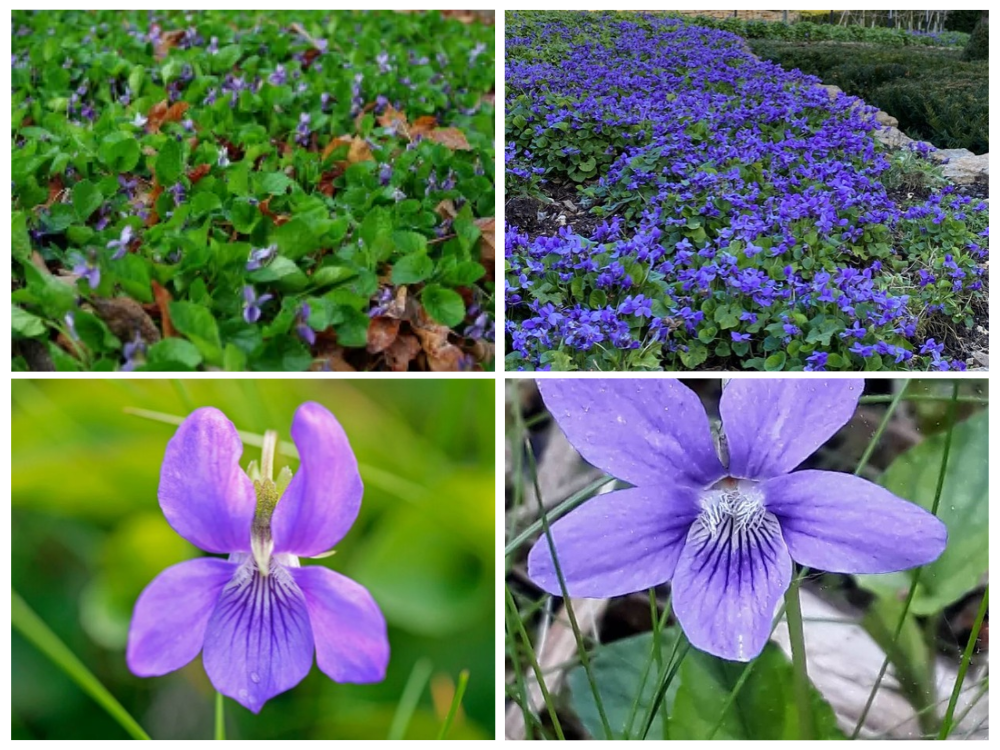
Sweet violet is a small plant that generally grows to a height of approximately four to six inches. Its stem is green and umbrella-like in structure, with thin branches that appear somewhat dry.
Leaves
The leaves resemble those of the Brahmi herb. They are round in shape, with serrated or notched edges, and measure approximately half an inch to one inch in both length and width.
Typically, eight to ten leaves emerge from a single point. Branches extend from these clusters and spread across the ground. New roots develop at the nodes, allowing additional plants to grow. The leaves are covered with fine hairs, and each leaf is attached to a relatively long stalk.
Flowers
Sweet violet produces attractive, fragrant flowers. Each flower grows on a stalk measuring approximately one and a half to two inches in length. The flowers are generally reddish-blue, about half an inch wide, and consist of five petals. White-flowered varieties are also found.
The flower stalks are covered with fine hairs. When the flowers are chewed, they release a fragrant substance with a mucilaginous texture.
Seasonal Growth
The plant generally emerges during the summer, while identifying it becomes more difficult during the rainy season. During winter, the number of leaves decreases, and the fruits fall from the plant.
Chemical Composition
The roots and flowers of sweet violet contain a substance known as violin, which is traditionally described as having effects similar to the emetic agent emetine. The flowers also contain several other chemical constituents, including:
Volatile oil
Glycosides
Methyl salicylate
Violin
These constituents contribute to the plant's characteristic properties and traditional medicinal applications.
Temperament (Mizaj)
According to Unani medicine, sweet violet has a cold and moist temperament of the first degree.
Medicinal Properties and Actions
Sweet violet is traditionally recognized for its soothing and softening effects on the throat and chest. Its medicinal actions include:
Demulcent and emollient: Helps soothe and soften the throat and chest.
Expectorant: Traditionally used to help loosen and expel accumulated mucus.
Bile regulator: Used in traditional medicine to regulate excessive bile.
Laxative: Helps relieve constipation.
Sedative: Traditionally considered calming for the blood.
Sleep-inducing: Its oil is traditionally used to promote sleep.
Traditional Medicinal Uses of Sweet Violet
Respiratory Disorders and Chest Complaints
Sweet violet is traditionally used for respiratory conditions because of its expectorant and soothing properties. It is employed in traditional preparations for catarrh, the common cold, cough, pleurisy, and pneumonia.
Its demulcent properties are believed to soothe irritation in the throat and chest, while its expectorant action helps facilitate the removal of mucus.
Bilious Fever
In Unani medicine, sweet violet is traditionally used in cases of bilious fever. Its cooling temperament and bile-regulating properties are believed to help manage complaints associated with excessive bile.
Excessive Thirst
Sweet violet is also traditionally recommended for excessive thirst, particularly when associated with conditions attributed to an imbalance of bile. Its cold and moist temperament is considered beneficial in traditional Unani practice.
Pleurisy and Pneumonia
Due to its soothing and expectorant properties, sweet violet has historically been included in remedies for pleurisy and pneumonia. Traditional medicine considers it useful for soothing the chest and supporting the expulsion of mucus.
However, pneumonia and pleurisy are potentially serious medical conditions that require proper medical diagnosis and treatment. Sweet violet should not replace prescribed treatment.
Promoting Sleep
The oil of sweet violet is traditionally applied to the head to promote relaxation and induce sleep. Its calming properties have made it a traditional ingredient in preparations intended to support restful sleep.
Relief from Constipation
One of the principal traditional benefits of sweet violet is its laxative action. It is used to help relieve constipation and encourage bowel movements.
Specific Benefit
Laxative action: Sweet violet is particularly recognized in traditional medicine for its ability to relieve constipation and support bowel regularity.
Harmful Effects and Precautions
According to traditional Unani descriptions, sweet violet may cause nausea in some individuals, particularly when used in excessive amounts.
It is advisable to exercise caution when using medicinal preparations made from this plant. Its safety and effectiveness for treating specific illnesses have not been firmly established through modern clinical research. Pregnant or breastfeeding women and individuals with existing medical conditions should consult a qualified healthcare professional before using it medicinally.
Corrective Agent (Muslih)
In Unani medicine, white sugar or honey is recommended as the corrective or mitigating agent (Muslih) to reduce the potential harmful effects of sweet violet.
Traditional Dosage (MiQdar-e-Khurak)
The traditionally mentioned dosage of sweet violet is five to seven mashas. The actual amount may vary depending on the preparation and the medicinal context. Traditional dosage recommendations should not be considered established safe doses without appropriate medical guidance.
Conclusion
Sweet violet (Viola odorata), commonly known as Banafsha or Neel Pushpa, is a fragrant flowering plant with a long history of use in Unani and contemporary Ayurvedic medicine. Its flowers and roots are traditionally valued for their soothing, expectorant, cooling, calming, and laxative properties. It has historically been used in preparations for coughs, colds, chest complaints, bilious conditions, sleep difficulties, and constipation. Despite its traditional importance, further scientific research is needed to establish its medicinal effectiveness and safety.
Recent Posts
Curculigo Orchioides (Black Musli): Description, Traditional Uses, and Medicinal Properties
Mimusops elengi Linn. (Mulsari): Traditional Medicinal Uses, Properties, and Benefits
Pyrethrum Indicum (Bozidan): Traditional Medicinal Uses, Properties, and Benefits
Mesua ferrea (Nagkesar): Description, Medicinal Properties, and Traditional Uses