



Traditional Banyan Tree Remedies: Historical Uses and Safety Precautions
Introduction
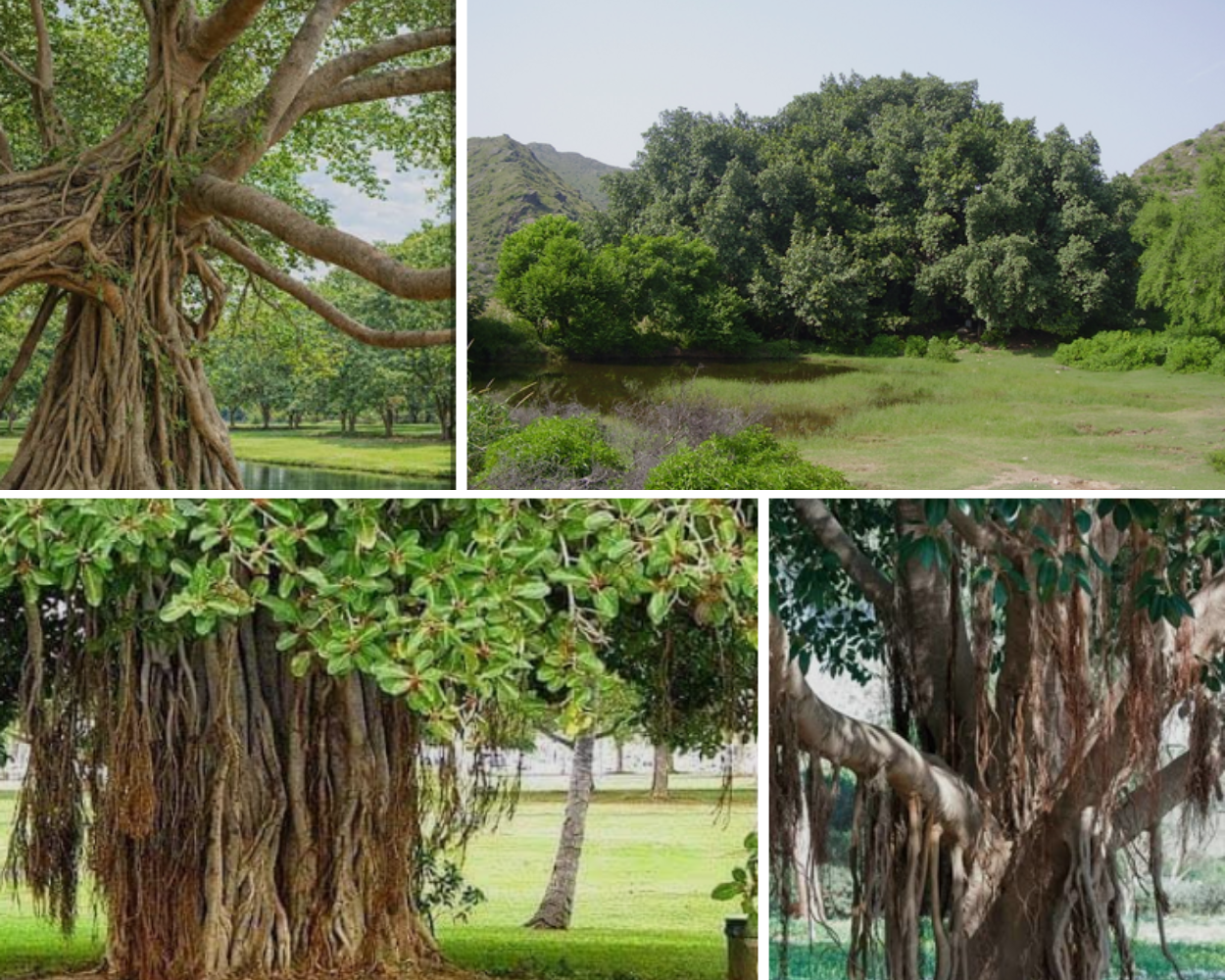
The banyan tree (Ficus benghalensis) has a long history of use in traditional South Asian and Unani medicine. Its bark, leaves, aerial roots, fruits, buds, and milky latex have been mentioned in historical remedies for urinary complaints, digestive disorders, reproductive concerns, dental pain, skin problems, and other conditions.
This article documents the traditional uses described in the source material. The claimed benefits have not necessarily been established by scientific research. Banyan latex and homemade preparations may cause irritation or other adverse effects, and remedies for serious illnesses should not replace professional medical care.
1. Traditional Remedy for Urinary Retention
A historical remedy describes combining four chawal of banyan-tree ash (Bargad Khar) with three chawal of another ingredient. The source does not clearly identify the second ingredient. It claims that the preparation restores the flow of urine.
The original quantities are retained here for historical reference, but the missing ingredient cannot be identified reliably. This preparation should not be made or consumed on the basis of incomplete information. Urinary retention can be a medical emergency, particularly when a person cannot urinate.
2. Traditional Remedy for Diabetes
A traditional preparation involves boiling one tola of banyan root bark, approximately 11.66 grams, in water and giving the resulting liquid to the patient.
The source claims that regular use benefits people with diabetes. However, this remedy has not been established as a safe or effective way to control blood glucose. Diabetes requires appropriate monitoring and evidence-based treatment.
3. Traditional Remedy for Athrah (Female Reproductive Complaints)
A historical Unani remedy describes drying the banyan tree's aerial roots in the shade, grinding them into a fine powder, and sifting the powder through a cloth. The source specifies four mashas, approximately 3.89 grams, in the morning and evening with warm milk. For women experiencing infertility, it recommends use for seven days after menstruation ends.
These are historical claims, not established fertility treatments. Infertility and recurrent pregnancy loss can have many causes and may require assessment of both partners. The preparation should not replace appropriate medical evaluation.
4. Traditional Remedy for Yellow Diarrhea in Children
One folk remedy describes mixing a drop of banyan latex, traditionally called doodh, with one tola of sugar, approximately 11.66 grams, and giving it to a child twice daily.
Safety warning: Do not give banyan latex to children. Plant latex may irritate tissues, and its safety and effectiveness for childhood diarrhea have not been established. Children with diarrhea can become dehydrated quickly and may require oral rehydration solution and medical assessment.
5. Traditional Remedy for Diarrhea
Recipe No. 1: Banyan Latex
A historical practice describes placing banyan latex in the navel and applying some around it, with the claim that diarrhea stops immediately.
This method has not been established as effective. Latex may irritate the skin and should not be used as a treatment for diarrhea.
Recipe No. 2: Banyan Buds
Another traditional remedy describes soaking banyan buds in six cups of water, adding a small amount of Egyptian oil, and giving the mixture to the patient.
The exact identity of the oil and the intended quantity are not specified clearly in the source. The preparation's safety and effectiveness are unknown, so it should not be used as a home treatment.
6. Traditional Remedy for Prolapse
A folk remedy describes boiling banyan bark in a large quantity of water and giving the decoction to a patient with prolapse or what the source calls anal discharge.
The source does not specify the amount of bark or the dose of the decoction. This remedy has not been established as effective. Rectal or pelvic organ prolapse requires medical assessment, and severe pain, bleeding, or tissue that cannot be returned to its normal position warrants urgent care.
7. Traditional Remedy for Bloody Piles
A historical preparation describes drying banyan wood in the shade and grinding it into a fine powder. The source also mentions finely grinding the wood's charcoal and refers to three tolas of banyan leaves, approximately 34.98 grams, with instructions to consume one leaf in the morning and one in the evening with fresh water.
The original description is unclear about the relationship between the charcoal, powder, and leaves, so the recipe cannot be reconstructed reliably. This preparation should not be treated as a proven remedy for hemorrhoids. Rectal bleeding requires appropriate evaluation because it can have causes other than piles.
8. Traditional Remedy for Gonorrhea
A historical recipe describes crushing two tolas of banyan buds, approximately 23.32 grams, soaking them overnight in water, and straining the liquid the next morning. The source then mentions cooking the preparation with a small amount of Egyptian oil before administering it.
The exact procedure and the identity of the oil are unclear. This remedy has not been established as a treatment for gonorrhea. Gonorrhea is a sexually transmitted bacterial infection requiring appropriate testing and antibiotic treatment.
9. Traditional Remedy for Menstrual Retention
A folk preparation describes grinding two tolas of tender banyan leaves, approximately 23.32 grams, in a quantity of water described ambiguously in the source as a “foot-full.” The mixture is then consumed in the morning and evening.
The source claims that this provides relief from menstrual retention within two or three doses. The quantity of water is unclear, and the remedy has not been established as effective. Missed or absent menstruation may be associated with pregnancy, hormonal changes, or other medical conditions and should be evaluated when persistent.
10. Traditional Remedies for Uterine Prolapse
Recipe No. 1: Banyan Leaves
The source repeats a preparation using two tolas of tender banyan leaves, approximately 23.32 grams, ground in water and consumed in the morning and evening.
It claims that this preparation benefits uterine prolapse, but no reliable evidence establishes it as a treatment. Uterine prolapse may require pelvic-floor treatment, a pessary, or other medical management.
Recipe No. 2: Banyan Bark and Desi Khand
Another historical recipe describes drying fresh banyan bark in the shade, grinding it into a fine powder, and mixing it with half its quantity of traditional sugar, known as desi khand. The source recommends taking it with six mashas of warm milk, approximately 5.83 grams of milk by weight, in the morning and evening.
The source describes this preparation as a remedy for uterine inflammation and related suffering. These claims have not been established medically. Persistent pelvic pain, abnormal bleeding, or suspected uterine prolapse requires professional assessment.
11. Traditional Remedy for Tuberculosis
A historical remedy describes drying banyan aerial roots in the shade, grinding them into a fine powder, and sifting it through a cloth. The source specifies a dose of six mashas, approximately 5.83 grams, taken with fresh water each morning for forty days.
It claims that the preparation eliminates tuberculosis. This claim is not supported as an established treatment. Tuberculosis is a serious infectious disease that requires appropriate testing and a prescribed course of antimicrobial medicines. Herbal powders must not replace or delay treatment.
12. Traditional Remedy for Heart Palpitations
A folk preparation describes grinding one tola of tender banyan leaves, approximately 11.66 grams, in fifteen tolas of water, approximately 174.9 grams. The mixture is strained, a little rock sugar (misri) is added, and the liquid is given in the morning and evening.
The source describes this as a tonic for heart palpitations. Its effectiveness has not been established. Palpitations accompanied by chest pain, fainting, severe dizziness, or shortness of breath require urgent medical attention.
13. Traditional Remedy for Toothache
One historical practice describes soaking cotton wool in banyan latex and placing it on an aching tooth or inside a cavity.
Safety warning: Do not place banyan latex inside a tooth cavity or against oral tissues. It may irritate the mouth, and it is not an established dental treatment. Toothache should be evaluated by a dentist, particularly when accompanied by swelling, fever, or severe pain.
14. Traditional Remedy for Loose Teeth
A historical account recommends applying banyan latex to a loose tooth while avoiding contact with the surrounding teeth.
This practice has not been established as safe or effective. Banyan latex may irritate oral tissues and will not reliably stabilize a loose tooth. Loose adult teeth require dental assessment to identify the underlying cause.
15. Traditional Cardiac Tonic
A historical preparation describes making pills from banyan-tree alkaline ash (khar), each weighing one ratti, approximately 0.12 grams, and coating them with silver leaf (chandi ka warq). The source recommends taking one pill with fresh water.
The preparation has not been established as a safe or effective heart tonic. Ash may contain substances of uncertain composition, and silver leaf does not establish the safety of a product. Heart conditions require appropriate medical evaluation and treatment.
16. Traditional Remedy for Dysentery
A folk recipe describes drying the bark of the banyan root in the shade and grinding it into a fine powder. The source specifies three mashas, approximately 2.92 grams, three times daily with rice water or plain water.
The claim that this preparation cures dysentery has not been established. Dysentery may cause dehydration and can involve serious infection. Blood in the stool or persistent diarrhea requires medical assessment.
17. Traditional Remedies for Nausea and Vomiting
Recipe No. 1: Banyan Leaves and Rock Sugar
A historical remedy describes grinding two tolas of banyan leaves, approximately 23.32 grams, in water and straining the mixture. A small quantity of rock sugar is added, and the patient is instructed to sip the liquid at intervals of approximately fifteen minutes.
Recipe No. 2: Banyan Aerial Roots
Another folk preparation describes grinding six mashas of banyan aerial roots, approximately 5.83 grams, in water, straining the mixture, and administering the liquid.
Neither remedy has been established as an effective treatment for vomiting. Persistent vomiting can cause dehydration, and severe symptoms require medical evaluation.
18. Traditional Remedy for Blood in Urine
A historical recipe describes grinding two tolas of fresh banyan leaves, approximately 23.32 grams, in a quarter-seer of water, approximately 250 milliliters. The source recommends taking the preparation in the morning and evening.
The claim that it stops blood in the urine has not been established. Blood in the urine can indicate infection, kidney stones, or other urinary tract conditions and requires prompt medical evaluation.
19. Traditional Remedy for Urinary Incontinence and Excessive Urination
A folk remedy describes grinding the seeds found inside banyan fruits into a fine powder and consuming it with cow's milk in the morning and evening.
The source associates this preparation with urinary incontinence, excessive urination, and diabetes. These claims have not been established as effective treatments. Persistent urinary symptoms require assessment to determine the underlying cause.
20. Traditional Remedy for Backache
Recipe No. 1: Banyan Buds and Churi
A historical practice describes adding ten unopened banyan buds to churi, a traditional dish made from crumbled bread, ghee, and sugar, and consuming the mixture for backache.
This preparation has not been established as a treatment for back pain.
Recipe No. 2: Banyan Latex
Another folk remedy describes applying banyan latex to the back or placing some inside a batasha, a small sugar confection, for consumption.
Neither method has been established as effective. Banyan latex may irritate the skin and should not be swallowed as a home remedy. Persistent or severe back pain should be assessed medically.
21. Traditional Remedy for Breast Laxity
A historical practice describes grinding the fine, reddish-tipped aerial roots of the banyan tree into a paste and applying it to the breasts before bedtime.
The source claims that repeated application restores breast firmness. This effect has not been established, and plant latex or homemade pastes may irritate the skin. A supportive garment is a safer option for physical support.
22. Traditional Remedy for Sexual Weakness and Seminal Leakage
A folk preparation describes moistening unrefined red sugar or jaggery (shakar surkh) with banyan latex and storing the mixture. The source specifies a dose of three to six mashas, approximately 2.92–5.83 grams.
The remedy is traditionally associated with jaryan (involuntary seminal discharge), mumsik (a retentive agent), and muqawwi-e-bah (a sexual tonic or aphrodisiac).
These claims have not been established medically. Banyan latex should not be consumed. Persistent reproductive or sexual-function concerns may have several causes and should be discussed with a qualified healthcare professional.
23. Traditional Remedy for Nocturnal Emissions
A historical recipe describes administering four mashas of powdered banyan aerial roots, approximately 3.89 grams, with water in the morning and evening. The source associates it with nocturnal emissions and jaryan.
The effectiveness and safety of this preparation have not been established. Nocturnal emissions are often a normal physiological occurrence and do not necessarily require treatment.
24. Traditional Remedy for Premature Ejaculation
A folk preparation describes drying fresh banyan bark in the shade, grinding it into powder, and consuming four mashas, approximately 3.89 grams, with warm milk in the morning and evening.
The source claims that the powder improves natural retentive power, or imsak. This claim has not been established, and the preparation should not be considered a proven treatment for premature ejaculation.
25. Traditional Remedy for Wounds
A historical practice recommends applying fresh banyan sap to wounds, claiming that repeated application promotes healing.
The safety and effectiveness of this practice have not been established. Plant latex can irritate tissues, and homemade preparations may contaminate wounds. Appropriate wound cleaning and medical care are safer, especially for deep, infected, or slow-healing injuries.
26. Traditional Remedies for Nosebleeds
Recipe No. 1: Banyan Bark Powder
A historical remedy describes drying banyan bark in the shade, grinding it into a fine powder, and inhaling a small amount as snuff.
This practice has not been established as effective and may irritate the nasal passages. Do not inhale homemade plant powders.
Recipe No. 2: Tender Banyan Shoots
Another folk remedy describes grinding tender, reddish banyan shoots with a little water into a fine paste and applying it to the forehead.
The source claims that this stops nosebleeds, but the effect has not been established. For a nosebleed, sit upright, lean forward, and pinch the soft part of the nose continuously for 10–15 minutes. Seek medical care if the bleeding is heavy or does not stop.
Traditional Measurement Conversions
The following approximate conversions help interpret the historical measurements in the source:
Traditional weights varied by region and historical period. The source's estimate of one chawal as approximately 0.5 grams may not match other customary conversion systems. The original quantity has therefore been retained where relevant rather than silently replaced.
These conversions are for historical documentation only and should not be interpreted as recommended doses.
Important Safety Precautions
Banyan tree remedies are part of historical traditional medicine, but historical use does not establish safety or effectiveness. Particular caution is warranted with preparations involving:
Banyan latex: May irritate the skin, eyes, and oral tissues and should not be swallowed or applied to wounds, teeth, or sensitive areas.
Children: Diarrhea and vomiting can lead to dehydration quickly. Avoid unverified herbal preparations and seek appropriate care.
Pregnancy and fertility: Unproven remedies should not replace evaluation for infertility, miscarriage, menstrual problems, or pelvic symptoms.
Serious illnesses: Tuberculosis, diabetes, gonorrhea, urinary retention, blood in the urine, and heart symptoms require appropriate medical assessment.
Bleeding and prolapse: Rectal bleeding, severe urinary symptoms, and pelvic or rectal prolapse may require prompt medical care.
Conclusion
The banyan tree has a long history in traditional South Asian and Unani medicine. Its bark, leaves, aerial roots, buds, fruits, and latex appear in historical accounts concerning urinary complaints, digestive disorders, reproductive health, dental pain, wounds, and other conditions.
These descriptions are valuable for documenting traditional practices, but their reported benefits should not be treated as proof of clinical effectiveness. Some preparations, especially those involving banyan latex, may cause harm. Evidence-based medical care remains essential for serious or persistent symptoms.
Recent Posts
Curculigo Orchioides (Black Musli): Description, Traditional Uses, and Medicinal Properties
Mimusops elengi Linn. (Mulsari): Traditional Medicinal Uses, Properties, and Benefits
Pyrethrum Indicum (Bozidan): Traditional Medicinal Uses, Properties, and Benefits
Mesua ferrea (Nagkesar): Description, Medicinal Properties, and Traditional Uses