






Traditional Herbal Remedies Using Aak (Calotropis)
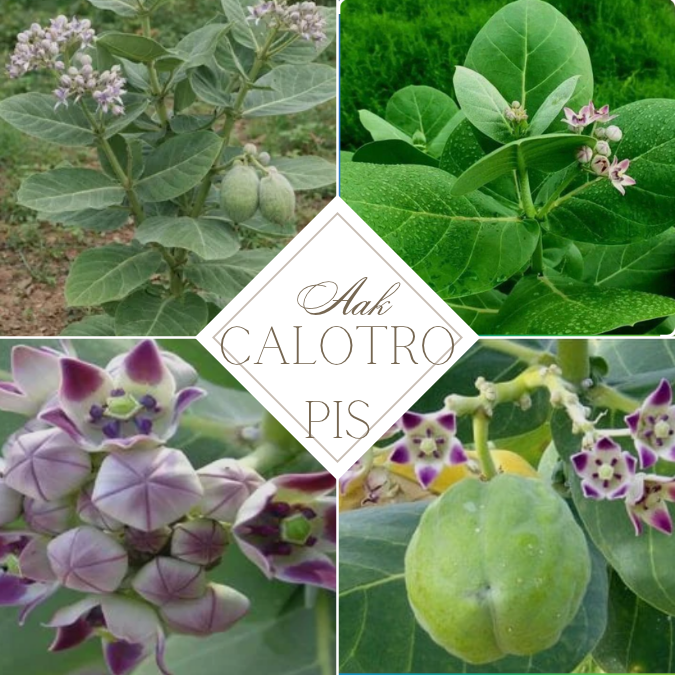
Introduction
Aak (Calotropis) is a traditional medicinal plant mentioned in various systems of herbal medicine, including Unani practices. Different parts of the plant, such as its leaves, flowers, roots, and latex, have historically been used in folk remedies. However, Aak contains toxic compounds and can cause serious harm if swallowed or applied improperly. The following information documents traditional uses rather than recommending them as safe or effective treatments.
Traditional Uses of Aak
1. Remedy for Burns
Traditional sources mention Aak in remedies for burns. However, Aak latex and other plant parts can irritate or damage the skin. Do not apply Aak to burns. Cool a burn under cool running water and seek medical care when necessary.
2. Remedy for Flatulence
A traditional preparation for flatulence lists the following ingredients:
Aak flower buds: 2 tolas (approximately 23.32 g)
Ajwain: 1 tola (approximately 11.66 g)
Sugar: 10 tolas (approximately 116.60 g)
The historical source describes this mixture as a traditional remedy for digestive discomfort. Its safety and effectiveness have not been established, and Aak should not be consumed as a home remedy.
3. Remedy for Heel Pain
Aak leaves and other plant parts have been mentioned in traditional external applications for heel pain. Such applications may irritate or injure the skin and should be avoided. Persistent heel pain requires appropriate assessment.
4. Traditional Use for Guinea Worm
Some folk remedies mention Aak leaves in connection with guinea worm. The source describes the use of seven leaves, which is a count rather than a weight measurement and therefore cannot be converted into grams. Aak should not be used to treat parasitic infections; suspected infection requires professional medical care.
5. Traditional Laxative Pills
Traditional accounts describe laxative preparations containing Aak. One historical dose is given in mashas, with 1 masha equivalent to approximately 0.97 g. Because Aak can be toxic, this measurement is provided for historical documentation only, not as a recommended dose. Do not prepare or consume such pills.
6. Traditional Use for Eye Problems
Aak appears in historical remedies for eye films or cloudiness. Aak must never be applied to the eyes. It can cause severe irritation and potentially serious eye injury. Any cloudiness, pain, redness, or change in vision requires prompt evaluation by an eye-care professional.
7. Remedy for Colic
Some traditional sources mention Aak in remedies for abdominal colic. However, abdominal pain can have many causes, and Aak is not a safe self-treatment. Severe or persistent abdominal pain requires medical assessment.
8. Remedy for Foot Blisters
Aak has historically been mentioned in external remedies for foot blisters. Its latex may irritate damaged skin and worsen the injury. Keep blisters clean and protected rather than applying Aak.
9. Traditional Remedy for Scorpion Stings
One historical preparation mentions Aak ash and mercury. Mercury is highly toxic, and this mixture must not be prepared or applied. A scorpion sting may require urgent medical assessment, particularly if the person develops severe pain, breathing difficulties, muscle spasms, or other systemic symptoms.
10. Traditional Remedy for Constipation
Aak has been included in some historical preparations for constipation. However, its toxicity makes it unsuitable for self-treatment. Safer approaches include adequate fluid intake, dietary fibre, and appropriate advice from a healthcare professional.
11. Historical Use During Plague
Traditional accounts mention Aak in remedies associated with plague. These claims are not evidence of effectiveness. Plague is a serious infectious disease requiring urgent medical diagnosis and appropriate antimicrobial treatment; herbal preparations must not delay care.
12. Traditional Tooth Powder
Some historical remedies include Aak in tooth powders. Because Aak may irritate oral tissues and can be toxic, it should not be used in homemade dental preparations. Use established oral-hygiene products and seek dental advice for tooth pain or gum problems.
13. Historical Remedies for Syphilis
Traditional accounts describe powders and pills containing Aak for syphilis. One recorded pill preparation lists:
Aak root bark: 1 tola (approximately 11.66 g)
Black pepper: 4 mashas (approximately 3.89 g)
Jaggery: 11 tolas (approximately 128.26 g)
These quantities document the historical recipe; they are not instructions for preparation or use. Aak can be poisonous, and this mixture has not been established as a safe or effective treatment for syphilis. Syphilis requires medical testing and appropriate antibiotic treatment.
Traditional Measurement Conversions
The historical measurements used in these remedies can be expressed approximately in modern metric units:
1 tola ≈ 11.66 g
1 masha ≈ 0.97 g
1 rati ≈ 0.12 g
These equivalents may vary slightly according to the historical source and regional system of measurement. Counts such as seven leaves and descriptions such as chickpea-sized pills cannot be converted directly into grams without additional information.
Safety Precautions
Aak contains potentially toxic substances and may cause poisoning, skin irritation, and eye injury. Do not ingest it, apply its latex to the skin or eyes, or use it to treat infections, burns, digestive disorders, or other medical conditions. Preparations involving mercury are particularly hazardous.
Conclusion
Aak has a long history of mention in traditional herbal medicine, including remedies for digestive complaints, pain, skin problems, and other conditions. These historical uses should not be confused with scientifically established treatments. The measurements presented here are intended for documentation only, and potentially toxic preparations should not be made or used. Appropriate medical care is essential for serious symptoms and infectious diseases.
Recent Posts

Curculigo Orchioides (Black Musli): Description, Traditional Uses, and Medicinal Properties

Mimusops elengi Linn. (Mulsari): Traditional Medicinal Uses, Properties, and Benefits

Pyrethrum Indicum (Bozidan): Traditional Medicinal Uses, Properties, and Benefits






Mesua ferrea (Nagkesar): Description, Medicinal Properties, and Traditional Uses


