



Traditional Herbal Remedies Using Kikar (Acacia): Uses, Preparations, and Safety Precautions
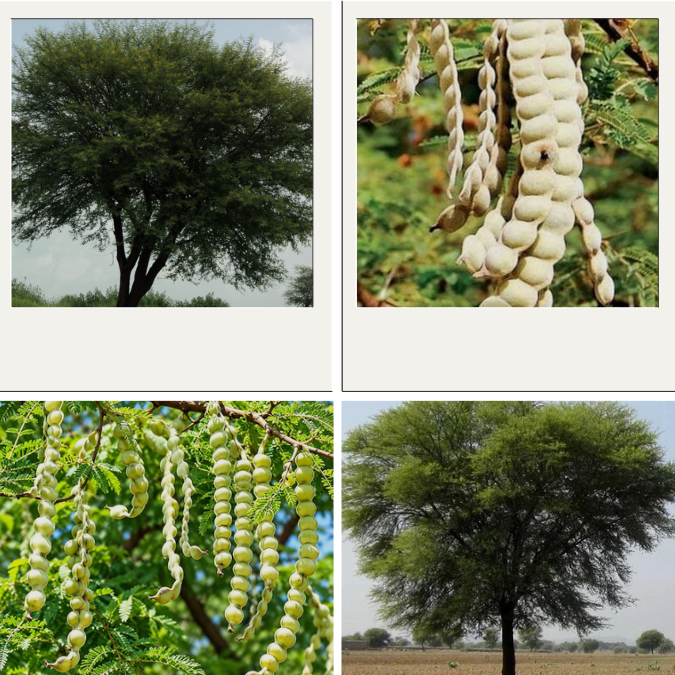
Introduction
Kikar, commonly associated with acacia species, is a tree traditionally used in Unani medicine and folk remedies. Different parts of the tree, including its leaves, flowers, pods, bark, gum, and thorns, have historically been mentioned in preparations for digestive complaints, jaundice, respiratory problems, urinary disorders, and other conditions.
The following article documents traditional remedies described in historical sources. These preparations are unproven treatments, and scientific research has not treatments, and scientific research has not necessarily established their reported benefits. Some recipes contain hazardous substances, including opium, Datura, and potassium nitrate, while others recommend potentially dangerous applications to the eyes, ears, urinary tract, or reproductive organs.
1. Traditional Remedies for Jaundice
Recipe No. 1
A traditional preparation for jaundice uses shade-dried Kikar pods ground in water. The original recipe combines one tola of dried pods (approximately 11.66 grams) with half a seer of water and three tolas of rock sugar (approximately 34.98 grams). The source recommends daily use and claims that jaundice resolves after several days.
This is a historical claim rather than an established treatment. Jaundice can indicate a serious liver, gallbladder, or blood disorder and requires medical evaluation.
Recipe No. 2
Another traditional remedy mentions Kushta-e-Marjan, or calcined coral, mixed with juice extracted from Kikar pods. The source specifies one ratti of the preparation, approximately 0.12 grams, and claims that it treats chronic jaundice.
This preparation should not be used without appropriate medical and toxicological assessment. Calcined mineral products may vary in composition and purity, and their safety cannot be assumed.
2. Traditional Remedies for Dysentery
Recipe No. 1: Kikar Gum
Historical accounts describe Kikar gum dissolved in water and heated to prepare a drink for dysentery. The original source specifies six mashas of gum, equivalent to approximately 5.83 grams using the standard conversion of one masha to 0.972 grams.
The source claims that the preparation provides relief from dysentery. However, dysentery may involve serious intestinal infection and dehydration, so medical assessment is important, particularly when blood is present in the stool.
Recipe No. 2: Kikar Gum and Wheat Flour
Another traditional preparation combines Kikar gum with wheat flour to make a flatbread, or roti. It is historically described as beneficial for dysentery, although its effectiveness has not been established.
Recipe No. 3: Kikar Leaves and Opium
A historical recipe mentions Kikar leaves combined with opium for dysentery. Because opium can cause respiratory depression, dependence, and potentially fatal poisoning, this preparation should not be made or consumed.
3. Traditional Remedy for Hiccups
Kikar thorns have historically been used in a decoction intended to relieve hiccups. The source describes boiling two tolas of thorns (approximately 23.32 grams) in half a seer of water, reducing the liquid, and adding one tola of honey (approximately 11.66 grams).
Although this remedy is recorded in traditional medicine, its effectiveness has not been established. Persistent hiccups may require medical evaluation, especially when accompanied by other symptoms.
4. Traditional Use for Sore and Inflamed Eyes
Some folk remedies describe crushing Kikar leaves and placing them over sore eyes to relieve redness, pain, and stinging.
Safety warning: Do not place Kikar leaves, plant extracts, or homemade poultices on or near the eyes. Contamination and plant-related irritation may worsen the condition or cause injury. Eye pain, redness, discharge, or changes in vision require appropriate medical care.
5. Traditional Remedies for Urinary Inflammation and Gonorrhea
Historical sources describe dissolving Kikar gum in water for use in urinary inflammation and gonorrhea. Some accounts recommend introducing the solution directly into the urethra.
These practices are unsafe and should not be followed. Introducing homemade mixtures into the urinary tract can cause injury and infection. Gonorrhea is a sexually transmitted bacterial infection that requires appropriate testing and antibiotic treatment. A healthcare professional should assess painful urination, pus-like discharge, or urinary inflammation.
6. Kikar and Diabetes
Traditional accounts describe mucilaginous preparations made from Kikar gum as beneficial in reducing sugar in the urine of people with diabetes.
However, the historical claim does not establish that Kikar gum controls blood glucose or prevents complications. Diabetes requires appropriate monitoring and evidence-based treatment. Kikar preparations should not replace prescribed medication.
7. Traditional Remedy for Blisters on the Tongue
Some folk remedies mention applying a paste made from tender Kikar shoots to small blisters on the tongue.
The safety and effectiveness of this practice have not been established. Mouth sores may result from irritation, infection, nutritional deficiencies, or other conditions. Persistent or recurrent sores should be assessed by a healthcare professional.
8. Traditional Remedies for Excessive Menstrual Bleeding
Recipe No. 1: Kikar Gum and Red Ochre
One historical recipe describes a powder made from roasted Kikar gum and red ochre, known as Geru. The source specifies a dose of seven mashas, approximately 6.80 grams.
Red ochre products may vary in purity and can contain unwanted contaminants. This preparation should not be consumed.
Recipe No. 2: Kikar Flowers, Fruits, and Pods
Another traditional remedy uses shade-dried Kikar flowers, fruits, or pods ground into a powder. The source records six mashas, approximately 5.83 grams, taken twice daily.
There is insufficient evidence to establish this preparation as a safe or effective treatment for excessive menstrual bleeding.
Heavy menstrual bleeding can cause anemia and may be associated with underlying medical conditions. Seek medical advice for unusually heavy, prolonged, or recurrent bleeding.
Recipe No. 3: Kikar Pods, Flowers, and Bark
A further historical recipe combines equal parts of dried Kikar pods, flowers, and bark. The source records a dose of two mashas, approximately 1.94 grams, with water kept overnight.
Another recipe in the source combines Kikar seed kernels with opium and a medicinal syrup. The opium-containing preparation is hazardous and should not be used.
9. Traditional Remedy for Sagging Breasts
A folk practice describes soaking a piece of cloth in juice extracted from raw Kikar pods and repeatedly drying it until the fabric becomes stiff. The cloth is then fashioned into a supportive garment.
This is a historical external-use practice. There is no established evidence that Kikar pod juice tightens breast tissue or reverses breast sagging. A properly fitted supportive garment is a safer option for physical support.
10. Traditional Remedy for Syphilis
Historical accounts describe a powder made from shade-dried Kikar flowers or leaves combined with black pepper. The source records six mashas, approximately 5.83 grams, as the dose.
Established medical evidence does not support the claim that this preparation cures syphilis. Syphilis is a bacterial infection that requires appropriate testing and antibiotic treatment. Untreated infection can cause serious long-term complications.
11. Traditional Remedy for Bloody Diarrhea
Kikar leaves have been mentioned in traditional preparations for diarrhea, including bloody diarrhea. One historical recipe specifies one tola of leaves, approximately 11.66 grams, ground in water.
Bloody diarrhea can indicate a serious intestinal infection or another significant disorder. Do not rely on this remedy; seek prompt medical evaluation and maintain appropriate hydration.
12. Traditional Remedies for Delayed Ejaculation and Seminal Leakage
Recipe No. 1: Kikar Pod Tablets
A traditional account describes boiling raw Kikar pods in water, reducing the liquid, mashing the softened pods, and forming small tablets. The source gives the original quantities as one seer of pods and three seers of water, with each tablet weighing four mashas, approximately 3.89 grams.
The preparation is historically associated with delayed ejaculation or what the source calls excessive retentive power. Its effectiveness and safety have not been established.
Recipe No. 2: Aged Kikar Pod Juice
Another historical practice describes extracting and straining Kikar pod juice, storing it for a year, and subsequently combining it with milk. The source associates this preparation with Jaryan, a traditional term used for seminal leakage.
The safety of storing and consuming such a preparation is uncertain. Seminal leakage and related symptoms should be evaluated according to their actual cause rather than treated with unverified remedies.
Recipe No. 3: Kikar Pods and Sugar
A further traditional remedy combines shade-dried Kikar pod powder with an equal weight of sugar. The source records a daily quantity of six mashas, approximately 5.83 grams, and associates this amount with seminal leakage and nocturnal emissions.
Recipe No. 4: Five Parts of the Kikar Tree
The source also describes a powder containing equal parts of Kikar leaves, flowers, pods, bark, and gum, mixed with an equal amount of sugar. It claims that this preparation resolves chronic seminal leakage within twenty-one days.
These claims are not established medical findings. Nocturnal emissions are often a normal physiological occurrence, while persistent or distressing reproductive symptoms may warrant medical assessment.
13. Traditional Remedy Intended to Aid Conception
A growth found on a Kikar tree, traditionally called Kikar ka Banda, is mentioned in a folk remedy intended to promote conception. The source describes collecting and shade-drying the growth before grinding it into powder.
There is no established evidence that this material improves fertility. Difficulty conceiving may have several causes involving either partner, and an appropriate fertility assessment is preferable to unverified herbal preparations.
14. Traditional Remedy for Mouth Ulcers
A historical recipe describes boiling Kikar bark in water and adding alum, known as Phitkari, to the strained liquid. The resulting mixture is described as a mouth rinse for ulcers.
The safety and effectiveness of this preparation have not been established. Concentrated or improperly prepared alum solutions may irritate oral tissues. Persistent, recurrent, or unusually painful mouth ulcers should be assessed by a healthcare professional.
15. Traditional Remedy for Pus in the Ear
One folk remedy describes heating Kikar flowers in sesame oil, straining the oil, and applying it to an ear with discharge.
Safety warning: Do not put homemade oil, plant extracts, or other unprescribed substances into an ear with discharge. The discharge may indicate an infection or a perforated eardrum. Appropriate examination and treatment are necessary.
16. Traditional Remedy for a Descended or Displaced Testicle
A historical practice describes a paste containing turmeric and Kikar gum, followed by warming the area and applying a tobacco leaf as part of a supportive dressing.
This remedy should not be used. A testicle that has not descended normally or appears displaced requires medical assessment. Applying tobacco, plant pastes, or heat to the scrotum may cause irritation or injury and will not reliably correct the underlying condition.
17. Traditional Remedy for Leucorrhea and Vaginal Discharge
Some historical accounts describe mixing powder collected from insect-bored Kikar wood with sugar. The source associates this preparation with Sailan-ur-Rahm, traditionally referring to vaginal discharge.
Another recipe recommends a solution containing alum and Kikar pod husks for vaginal irrigation.
Neither preparation has been established as a safe or effective treatment. Vaginal discharge may be normal or may indicate an infection or another condition. Vaginal douching can disrupt the natural vaginal environment and increase the risk of irritation. Persistent, foul-smelling, painful, or unusual discharge should be medically assessed.
18. Traditional Remedy for Asthma
A historical recipe describes boiling Kikar flowers or leaves in water and adding sugar to the reduced liquid. The source recommends this preparation for asthma.
There is no established evidence that this remedy controls asthma. Asthma can cause serious breathing difficulties and requires appropriate diagnosis, prescribed treatment, and an action plan. Do not replace inhalers or other prescribed medication with herbal preparations.
19. Traditional Remedy for Heart Palpitations
Some folk practices describe soaking Kikar leaves overnight and collecting the resulting liquid for use in heart palpitations.
This preparation has not been established as an effective treatment. Palpitations can result from many causes, including heart rhythm disturbances. Seek urgent care if they occur with chest pain, fainting, severe dizziness, or shortness of breath.
20. Traditional Diuretic Preparation
A historical recipe lists Kikar leaves, Gokhru (Tribulus terrestris), and Kalmi Shora (potassium nitrate) in a preparation intended to relieve difficulty passing urine.
Potassium nitrate can be hazardous when taken improperly. This mixture should not be prepared or consumed. Difficulty passing urine, especially when accompanied by severe pain or an inability to urinate, requires prompt medical attention.
21. Traditional Sexual-Enhancement Remedy
Some folk accounts describe combining Kikar gum with a gallnut, known as Maazu, to make a powder intended for external application to the genital area.
The claimed sexual-enhancement effect has not been established. Applying untested mixtures to genital skin may cause irritation or injury. Evidence-based medical advice is preferable for persistent sexual-function concerns.
22. Traditional Remedy for Sweaty Hands and Feet
Historical accounts associate certain pills made from black Datura seeds and black pepper with excessive sweating of the hands and feet. Another practice describes applying Datura leaf paste to the palms and soles.
Datura is highly poisonous. It contains toxic alkaloids that can cause severe confusion, hallucinations, rapid heartbeat, overheating, seizures, and potentially fatal poisoning. Neither the pills nor the topical paste should be prepared or used.
Persistent excessive sweating can be assessed by a healthcare professional, who can recommend appropriate treatment.
23. Traditional Remedy for Cancerous or Malignant Wounds
A historical account describes frying Datura leaves in clarified butter (ghee) and applying the resulting preparation to malignant or painful wounds.
This is not a proven cancer treatment and should not be used. Datura is toxic, and unsterile preparations may further injure wounds. Suspected cancerous wounds or persistent, painful, or infected sores require professional medical evaluation and appropriate treatment.
24. Additional Traditional Remedies for Gonorrhea and Urinary Discomfort
The source includes several additional practices associated with gonorrhea and painful urination:
Introducing Kikar gum dissolved in water into the urethra.
Consuming preparations made from young Kikar pods cooked in ghee and combined with unrefined sugar.
Drinking an infusion prepared from Kikar leaves.
These historical practices have not been established as treatments for gonorrhea or urinary inflammation. Urethral irrigation with homemade mixtures can cause injury. Gonorrhea requires appropriate testing and antibiotic treatment, while painful urination may have several causes and should be medically assessed.
25. Traditional Remedy for Intestinal Worms
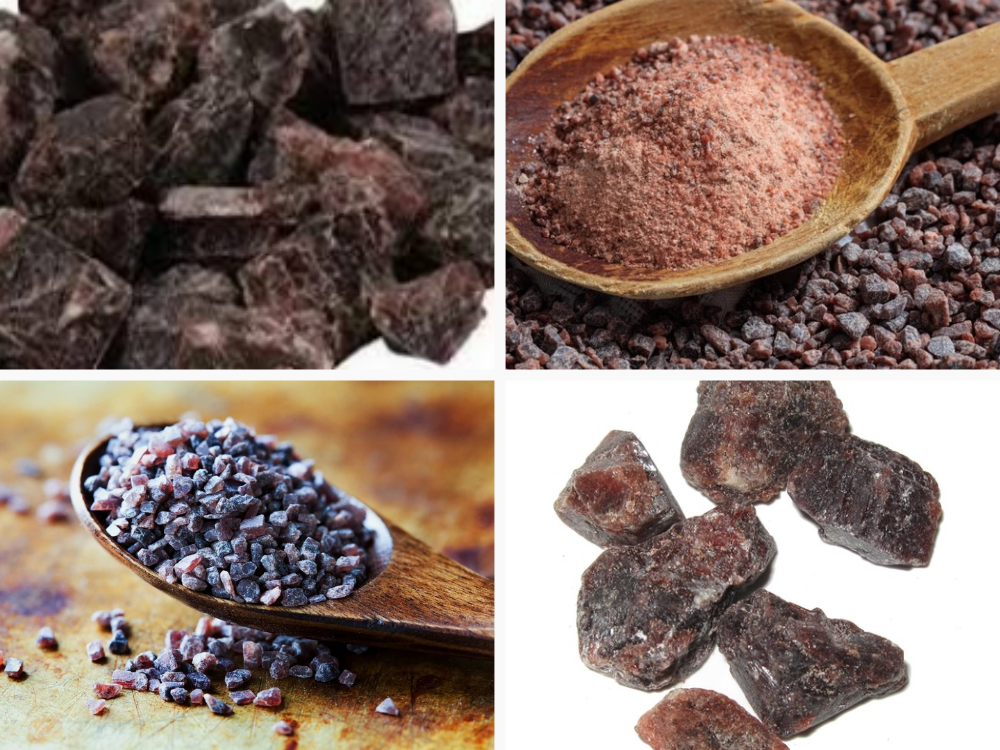
A historical recipe describes a powder made from dried Kikar pods or leaves mixed with rock salt, known as Sendha Namak. The source associates the mixture with intestinal worms.
The effectiveness and safety of this preparation have not been established. Suspected intestinal worms should be diagnosed and treated with an appropriate antiparasitic medicine.
Traditional Measurement Conversions
The following approximate conversions help interpret the historical recipes:
Traditional unit
Approximate metric equivalent
1 tola
11.66 g
1. Masha
0.972 g
1 ratti
0.12 g
Half a seer of water
Approximately 450–500 ml
Quarter-seer of water
Approximately 250 ml
1 seer
Approximately 1 kg in the source's stated convention
Traditional units varied by region and historical period, so these values are approximate. Conversions are included for historical documentation and must not be interpreted as safe dosage recommendations.
Important Safety Precautions
Kikar has a history of use in traditional medicine, but historical use alone does not establish safety or effectiveness. Particular care is necessary because the source includes substances and practices that may cause serious harm.
Datura: Highly poisonous and unsuitable for home remedies.
Opium: Can cause dependence, respiratory depression, and fatal overdose.
Potassium nitrate: Can cause poisoning when taken improperly.
Calcined coral and mineral preparations: Composition and purity may be uncertain.
Eye and ear applications: Homemade preparations may cause irritation, infection, or injury.
Urethral and vaginal irrigation: Can damage tissues, disrupt natural protective mechanisms, and delay proper treatment.
Reproductive and fertility remedies: Unverified preparations may delay diagnosis of underlying conditions.
Cancer, asthma, diabetes, and infectious diseases: Require appropriate medical assessment and evidence-based treatment.
Conclusion
Kikar is a plant with a long history in traditional Unani and folk medicine. Its leaves, flowers, pods, bark, gum, and other parts appear in historical accounts concerning digestive complaints, jaundice, respiratory symptoms, urinary disorders, reproductive health, and skin conditions.
These records are valuable for understanding traditional medicinal practices, but the claims should not be treated as proof of clinical effectiveness. Several preparations described in the historical material are potentially dangerous, particularly those containing Datura, opium, or potassium nitrate and those involving applications to sensitive body tissues. Safe, evidence-based medical care remains essential for the conditions discussed in this article.
Recent Posts
Curculigo Orchioides (Black Musli): Description, Traditional Uses, and Medicinal Properties
Mimusops elengi Linn. (Mulsari): Traditional Medicinal Uses, Properties, and Benefits
Pyrethrum Indicum (Bozidan): Traditional Medicinal Uses, Properties, and Benefits
Mesua ferrea (Nagkesar): Description, Medicinal Properties, and Traditional Uses