



Traditional Neem Remedies: Historical Uses, Preparations, and Safety Precautions
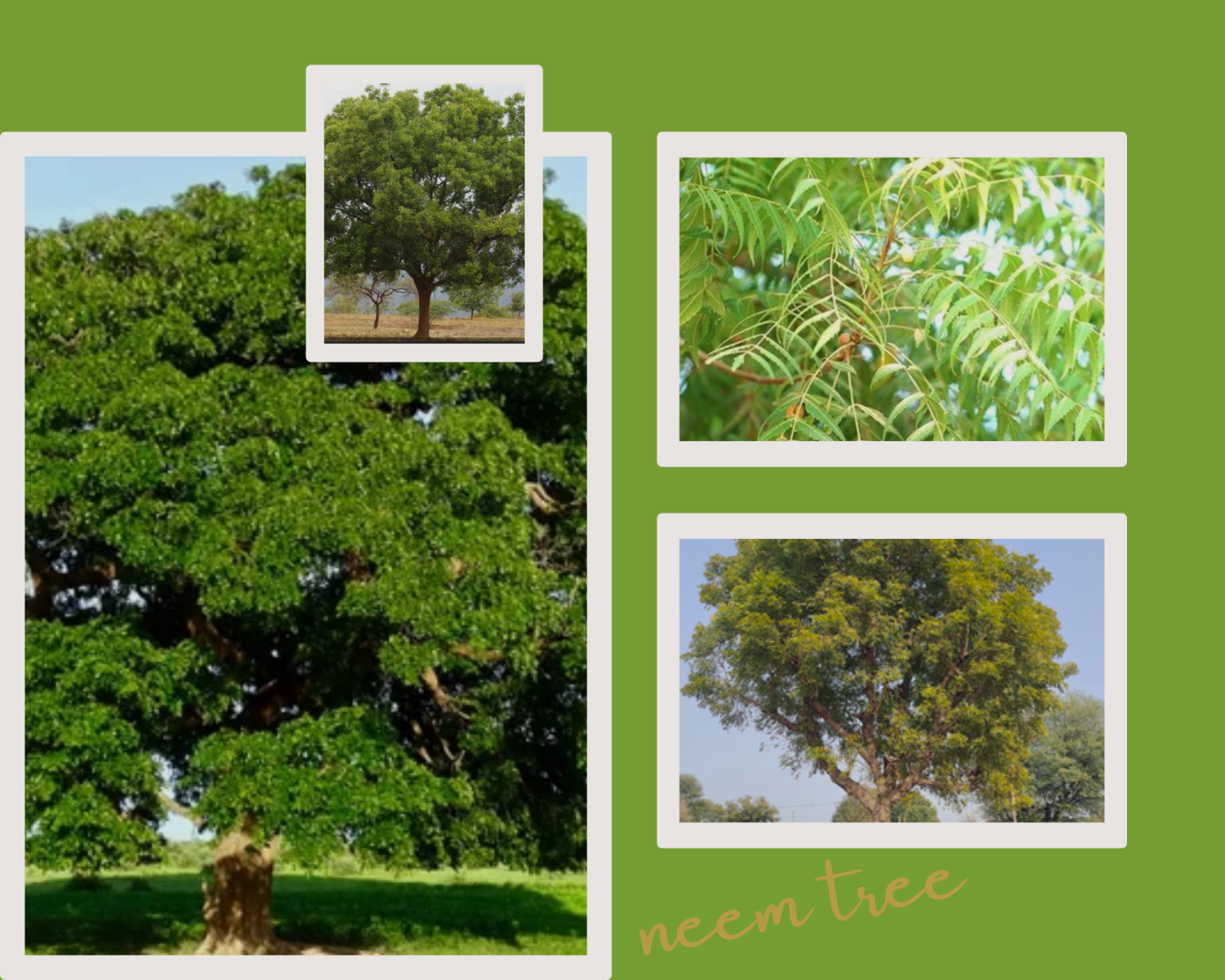
Introduction
Neem (Azadirachta indica) is a tree widely recognized in traditional South Asian and Unani medicine. Its leaves, bark, flowers, fruits, seeds, and oil have historically been used in folk preparations for hair and skin care, dental hygiene, digestive complaints, fever, and various other conditions.
This article documents the traditional remedies described in historical sources, with approximate modern metric conversions where applicable. The reported benefits should not be interpreted as proof of effectiveness. Some of the original preparations contain highly toxic substances, including mercury, lead compounds, and copper salts, or recommend unsafe applications to the eyes, ears, and other sensitive areas. Such remedies should not be prepared or used.
1. Traditional Remedy for Thick, Black Hair
A traditional hair-care preparation combines equal parts of neem oil and coconut oil. The mixture is described as a scalp application intended to encourage longer, thicker, darker hair.
Although these oils may help condition the hair and reduce dryness, there is no established evidence that this mixture reliably increases hair growth or restores natural hair color.
2. Traditional Remedy for Head Lice
One historical recipe describes dissolving 1.5 mashas of mercury (approximately 1.46 grams) in one tola of neem oil (approximately 11.66 grams) and applying the mixture to the scalp.
Safety warning: Mercury is highly toxic and must never be mixed into hair oil or applied to the scalp. Exposure can cause serious neurological and organ damage. Safer, established head-lice treatments should be used according to their instructions.
3. Traditional Remedy for Night Blindness
A historical practice describes pounding fresh neem leaves with a small amount of water, squeezing the pulp through a cloth, and applying the resulting juice to the eyes at night. The source claims that this preparation improves night vision.
Safety warning: Neem leaf juice must never be placed in the eyes. It can cause irritation or injury, and contaminated preparations may introduce infection. Night blindness can be associated with vitamin A deficiency or other eye conditions and requires proper medical assessment.
4. Traditional Remedy for Smallpox
A historical recipe describes boiling 125 grams of fresh neem bark in approximately 1.8 liters of water and reducing the liquid to about 450 grams. The source records a dose of approximately 30 grams in the morning and evening and claims that it benefits smallpox.
This is a historical claim, not an established treatment. Smallpox is a serious infectious disease that was declared eradicated globally in 1980. A suspected serious infectious illness requires immediate professional medical assessment rather than an herbal preparation.
5. Traditional Remedies for Nosebleeds
Recipe No. 1: Neem Leaves and Ajwain
One folk remedy describes grinding equal parts of fresh neem leaves and ajwain (carom seeds) into a paste and applying it to the temples.
Recipe No. 2: Neem Leaf Paste and Alum
Another traditional practice describes applying ground neem leaves to the head while placing alum dissolved in water inside the nostrils.
Neither method has been established as an effective treatment for nosebleeds. Do not put homemade mixtures into the nostrils. To manage a nosebleed, sit upright, lean forward, and pinch the soft part of the nose continuously for 10–15 minutes. Seek medical attention if bleeding is heavy, follows a significant injury, or does not stop.
6. Neem Twig (Miswak) for Oral Hygiene
Neem twigs have traditionally been used as miswak for cleaning the teeth. This practice is associated with oral hygiene and maintaining healthy teeth and gums.
Neem twigs may assist with mechanical cleaning when used gently and hygienically. They should not replace regular dental checkups or appropriate oral-hygiene practices.
7. Neem Flower Gargle for Teeth and Gums
Traditional accounts describe gargling with water in which neem flowers have been boiled, claiming that it helps maintain strong teeth and healthy gums.
The effectiveness of this particular preparation has not been established. Use caution with homemade rinses, and consult a dentist for persistent gum inflammation, bleeding, or dental pain.
8. Neem Fumigation for Air Purification
Some historical practices recommend burning neem leaves during epidemics, believing that the smoke purifies the air and acts as a disinfectant.
Safety warning: Burning leaves produces smoke and fine particles that can irritate the respiratory tract and worsen asthma or other breathing problems. Neem smoke should not be relied upon to disinfect indoor air or prevent infectious diseases. Adequate ventilation and established infection-control measures are safer.
9. Traditional Remedy for Wound Healing
A historical preparation combines finely ground neem leaves, sesame seeds, and honey into a paste intended for application to wounds. The source claims that the mixture cleanses wounds and promotes healing.
The safety and effectiveness of this homemade preparation have not been established. Applying unsterile mixtures to open wounds can introduce contamination. Clean minor wounds appropriately and seek medical care for deep, infected, or slow-healing wounds.
10. Traditional Remedy for Chronic Fever
A folk recipe describes soaking one chhatank each of neem bark and peepali (long pepper) bark in a quarter-seer of water overnight. The ingredients are mashed in the morning, and the liquid is strained for use.
Using the approximate measurements in the source, one chhatank is about 60 grams and a quarter-seer of water is approximately 250 milliliters. The source describes the preparation as a remedy for chronic fever, but this claim has not been established.
Persistent fever may indicate an infection or another medical condition and should be evaluated by a healthcare professional.
11. Traditional Remedy Described as a Blood Purifier
One historical practice describes crushing fresh, tender neem shoots and extracting their juice. The source specifies one tola of juice, approximately 11.66 grams, in the morning and evening.
The term “blood purifier” is a traditional expression rather than a precise medical diagnosis. There is no established evidence that consuming this preparation purifies the blood or treats blood disorders.
12. Traditional Remedy for Vaginal Itching
A folk remedy describes boiling neem leaves in water and using the warm infusion to wash the external genital area. The source associates this practice with vaginal itching and unpleasant odor.
The safety and effectiveness of this preparation have not been established. Avoid introducing herbal liquids into the vagina or using strong preparations on sensitive genital skin. Persistent itching or unusual odor may indicate irritation or infection and should be medically assessed.
13. Traditional Menstrual Aid
A historical practice describes boiling neem leaves and applying them as a warm compress below the navel to encourage menstrual flow.
There is no established evidence that this method regulates menstruation or improves menstrual flow. Menstrual irregularities, severe pain, or unusually heavy bleeding warrant appropriate medical evaluation.
14. Traditional Remedy for Loss of Appetite
Historical accounts mention neem fruit, known as nimkoli, as a remedy for loss of appetite associated with digestive complaints. The source describes use in the morning and evening for two or three days.
The safety of consuming neem fruits in this manner has not been established. Persistent loss of appetite may have several underlying causes and should not be treated solely with an unverified remedy.
15. Traditional Remedy for Dysentery
A folk preparation describes burning the soft inner bark of the neem tree on an iron pan, grinding the charred material into powder, and mixing a pinch of the powder with yogurt.
This preparation has not been established as an effective treatment for dysentery. Diarrhea containing blood can indicate a serious infection or another medical condition. Prompt medical assessment and appropriate fluid replacement are important.
16. Traditional Remedy for Diphtheria and Throat Inflammation
A historical recipe describes boiling equal parts of neem bark and dried makoh (Solanum nigrum) in water and inhaling the steam. The source claims that this reduces throat swelling and helps restore the voice.
This practice should not be relied upon to treat throat infections. Steam inhalation can cause burns, and suspected diphtheria is a medical emergency requiring urgent professional treatment.
17. Traditional Remedy for Vomiting
Recipe No. 1: Neem Bark and Black Pepper
The source describes grinding five mashas of neem bark (approximately 4.86 grams) with five black peppercorns in water, straining the mixture, and drinking the liquid.
Recipe No. 2: Neem Flower Paste
Another folk practice describes grinding neem flowers in water and applying the paste around the navel.
Neither method has been established as an effective treatment for vomiting. Persistent vomiting can cause dehydration and may signal an underlying illness. Seek medical advice if vomiting is severe, prolonged, or accompanied by blood, significant abdominal pain, or signs of dehydration.
18. Traditional Remedy for Gastric Flatulence and Bloating
A historical preparation describes boiling fresh neem leaves, grinding them into a paste, and forming small patties. The patties are heated on a griddle and then dissolved in water for consumption.
The source recommends approximately one chhatank of the resulting liquid per dose, three times daily. In the original measurement convention, one chhatank is approximately 60 grams by weight; this should not automatically be treated as 60 milliliters without confirming the liquid's density.
The effectiveness and safety of this preparation for bloating have not been established. Persistent abdominal swelling or pain may require medical evaluation.
19. Traditional Remedy for Pleurisy and Pneumonia
A folk practice describes burying tender neem shoots in hot ashes, removing them after heating, grinding them in water, and giving the mixture to the patient.
This preparation is not an established treatment for pleurisy or pneumonia. Pneumonia can be serious and may require antibiotics, other medicines, or hospital care. Suspected pneumonia or difficulty breathing requires prompt medical assessment.
20. Traditional Remedy for Jaundice
One historical recipe combines neem leaf juice with honey and claims that it resolves jaundice within a week. The source lists two tolas of the preparation, approximately 23.32 grams, in the morning, at noon, and in the evening.
A separate recipe describes grinding one tola of tender neem leaves (approximately 11.66 grams) with three mashas of sodium bicarbonate (approximately 2.92 grams).
Neither preparation has been established as a treatment for jaundice. Yellowing of the skin or eyes can indicate liver disease, bile-duct obstruction, or another serious condition and requires medical evaluation.
21. Traditional Remedy for Intestinal Worms
A folk recipe describes sautéing one tola of neem flowers, approximately 11.66 grams, in ghee and consuming the preparation twice daily for three days.
The effectiveness and safety of this preparation have not been established. Intestinal worm infections should be diagnosed and treated with appropriate antiparasitic medication.
22. Neem Tooth Powder (Manjan)
A historical method describes heating neem bark in a sealed, clay-coated vessel until it burns, then grinding and sifting the resulting material into a tooth powder called manjan.
The source claims that the powder makes the teeth shine. However, burnt plant material may be abrasive or contaminated, and its safety for routine dental use is uncertain. Use established fluoride toothpaste and avoid abrasive homemade powders that may damage tooth enamel.
23. Traditional Remedy for Sore Throat
A folk practice describes extracting juice from fresh neem leaves, mixing it with a small quantity of honey, and gargling with the mixture for several days.
This preparation has not been established as an effective treatment for sore throat. Avoid swallowing unverified mixtures. Seek medical attention for severe throat pain, difficulty swallowing or breathing, or persistent symptoms.
24. Traditional Remedy for Mouth Ulcers
Historical accounts describe rinsing the mouth with a decoction of neem bark and kachnar (Bauhinia variegata) bark. The source claims that this helps mouth ulcers and reduces tongue swelling.
The effectiveness of this preparation has not been established. Persistent or recurrent ulcers, particularly those lasting more than two weeks, should be examined by a healthcare professional or dentist.
25. Traditional Remedy for Scrofula and Swollen Lymph Nodes
One historical practice describes opening swollen lumps with a lancet, washing them with neem leaf decoction twice daily, and applying a cotton swab soaked in spirit.
Safety warning: Do not cut open swollen lymph nodes or apply alcohol to open wounds as a home treatment. Swollen lymph nodes can result from infections and other medical conditions. They require appropriate assessment, and any drainage or procedure should be performed by a qualified professional when indicated.
26. Traditional Remedy for Itching in the Scrotal or Genital Area
A historical recipe describes boiling one chhatank of fresh neem leaves, approximately 60 grams, in half a seer of water, approximately 500 milliliters. After straining and reducing the liquid to about a quarter-seer, the source adds two rati of litharge (lead monoxide) and half a rati of common salt.
Using the approximate conversions, two rati are about 0.24 grams and half a rati is about 0.06 grams.
Critical safety warning: Litharge is a lead compound and is highly toxic. It must never be added to a skin preparation, particularly one used on the genital area. Lead exposure can damage the nervous system, kidneys, and other organs. This recipe should not be prepared or used. Genital itching requires a safer, cause-specific approach.
27. Traditional Remedy for Diarrhea
A historical recipe describes grinding three mashas of fresh neem leaves, approximately 2.92 grams, with twenty black peppercorns and forming the mixture into pills. The source recommends taking one pill every four hours.
The safety and effectiveness of these pills have not been established. Diarrhea can cause dehydration, and blood in the stool, high fever, severe pain, or persistent symptoms warrant medical evaluation.
28. Traditional Remedy for Cholera
The source describes drinking a decoction of neem bark several times a day as a remedy for cholera.
This is not an established treatment. Cholera can cause life-threatening dehydration and requires immediate rehydration and appropriate medical care. Neem bark must not replace oral rehydration solution, intravenous fluids when needed, or prescribed treatment.
29. Traditional Remedy for Vitiligo (Leukoderma)
A folk recipe combines equal parts of neem bark and babchi (Psoralea corylifolia) seeds. The source describes soaking six mashas of the powder, approximately 5.83 grams, in water overnight, straining it in the morning, adding honey, and drinking the mixture.
This preparation has not been established as a safe or effective treatment for vitiligo. Babchi products can cause adverse effects, including skin reactions, and should not be used without qualified medical guidance.
30. Traditional Remedy for Ringworm
A historical practice describes grinding two tolas of neem leaves, approximately 23.32 grams, with a small quantity of yogurt and applying the paste to affected skin.
The effectiveness and safety of this mixture have not been established. Ringworm is a fungal infection that generally requires an appropriate antifungal treatment. Homemade pastes should not delay effective care.
31. Traditional Practice for Ulcers of the Palate
The source describes placing yellow neem leaves in a hookah bowl, or chilam, as a substitute for tobacco and inhaling the smoke through a water pipe.
Safety warning: Do not inhale neem leaf smoke. Smoke can irritate the mouth, throat, and lungs, and this practice has not been established as a treatment for palatal ulcers. Persistent mouth or palate ulcers require dental or medical evaluation.
32. Traditional Neem Oil Preparation for Cancer and Scrofula
A historical recipe describes crushing ten tolas of green neem leaves, approximately 116.6 grams, into a small cake and heating it with twenty tolas of sesame oil, approximately 233.2 grams. After straining, five tolas of wax, approximately 58.3 grams, are added to the oil for storage.
The source claims that this preparation benefits cancer and scrofula. These claims have not been established by reliable clinical evidence. This mixture must not be regarded as a cancer treatment or used in place of specialist care.
33. Traditional Remedy for Dysentery Using Neem Bark Ash
Another folk remedy describes burning the inner bark of neem until it becomes ash, then mixing one tola of the ash, approximately 11.66 grams, with yogurt.
The source claims that the preparation relieves dysentery after a single dose. This claim has not been established. Ash preparations may contain contaminants, and bloody diarrhea requires appropriate medical assessment rather than reliance on a traditional remedy.
34. Traditional Remedy for Bladder Fistula
A historical recipe describes grinding approximately 125 grams of neem leaves into small cakes, cooking them over a low flame, and soaking them in water in an earthen vessel for three days. The liquid is then strained and consumed over the following three days. The process is reportedly repeated three times.
There is no established evidence that this preparation treats a bladder fistula. A fistula is an abnormal connection between organs or tissues and may require specialist diagnosis and treatment. Homemade neem preparations should not delay medical care.
35. Historical Preparation for Gonorrhea
The source describes grinding one masha of green vitriol, traditionally called Tootiya Sabz, with neem leaf juice, drying the mixture, and placing it in a cowrie shell. The shell is then sealed with crushed neem leaves and heated over glowing coals until the contents are calcined. The resulting material is ground into a powder and described as being administered with buttermilk.
This is a historical description only and must not be used as a preparation guide. Green vitriol is a metal salt, and calcined products may have uncertain composition and toxicity. The safety and effectiveness of this preparation have not been established.
Gonorrhea is a sexually transmitted bacterial infection that requires appropriate testing and antibiotic treatment. Delaying treatment can lead to serious complications and transmission to sexual partners.
Traditional Measurement Conversions
The following approximate conversions help interpret the historical measurements in this article.
Historical measurements varied by region and period. These conversions are intended for documenting traditional recipes, not for recommending doses or preparing the remedies.
Important Safety Precautions
Several remedies in the historical source involve substances or practices that can cause serious harm:
Mercury: Highly toxic and unsuitable for scalp applications or homemade remedies.
Lead compounds such as litharge: Can cause severe poisoning and must never be applied to the skin.
Green vitriol and other metal salts: May cause toxicity, and calcination does not establish that the resulting product is safe.
Eye and ear preparations: Homemade liquids and powders may cause irritation, infection, or injury.
Genital applications and vaginal washing: Can irritate sensitive tissues and delay diagnosis of infection.
Smoke inhalation: Can damage respiratory health and is not a reliable method of disinfection.
Serious illnesses: Smallpox, cholera, pneumonia, cancer, jaundice, gonorrhea, and bladder fistula require appropriate medical assessment and evidence-based care.
Conclusion
Neem has a long history of use in traditional South Asian and Unani medicine. Its leaves, bark, flowers, fruits, and oil appear in historical remedies associated with hair care, dental hygiene, skin complaints, digestive problems, fever, and other conditions.
These historical records help document traditional practices, but they do not establish that the remedies are safe or effective. Preparations involving mercury, lead, metal salts, eye applications, or smoke inhalation are particularly hazardous. Modern medical assessment and evidence-based treatment remain essential for serious or persistent symptoms.
Recent Posts
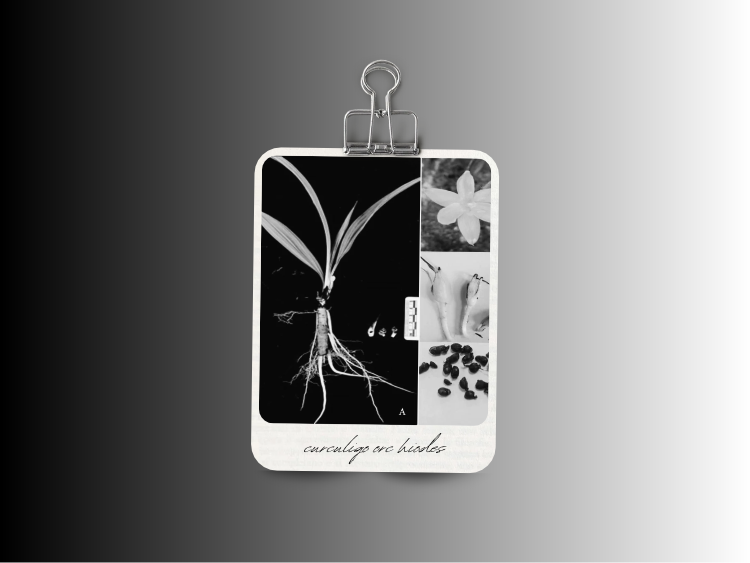
Curculigo Orchioides (Black Musli): Description, Traditional Uses, and Medicinal Properties
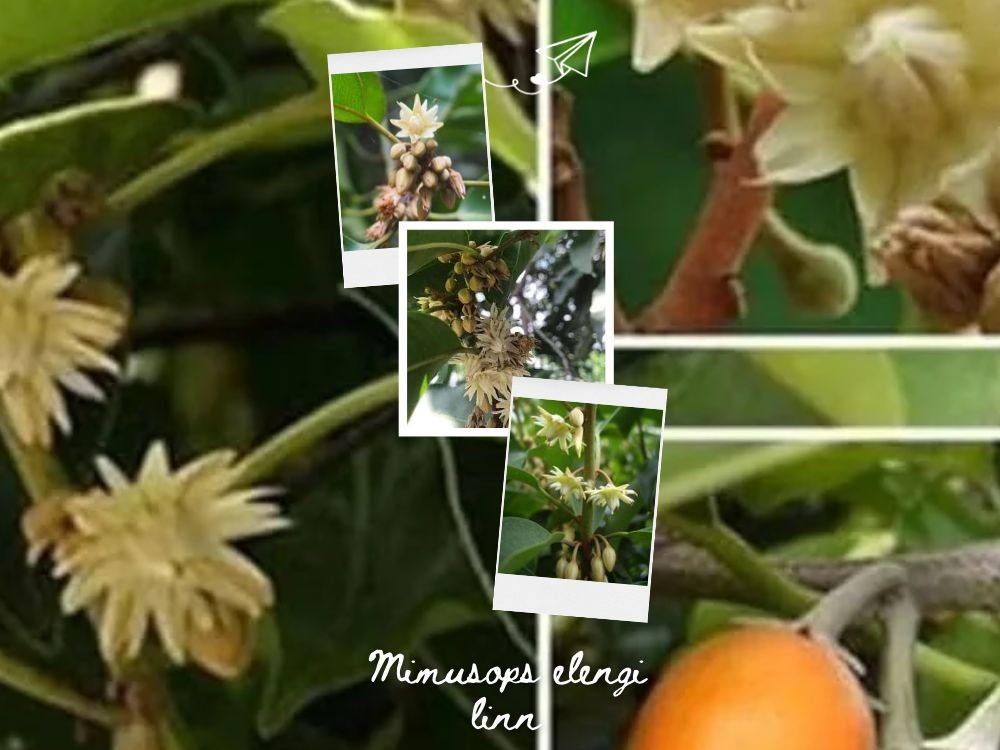
Mimusops elengi Linn. (Mulsari): Traditional Medicinal Uses, Properties, and Benefits
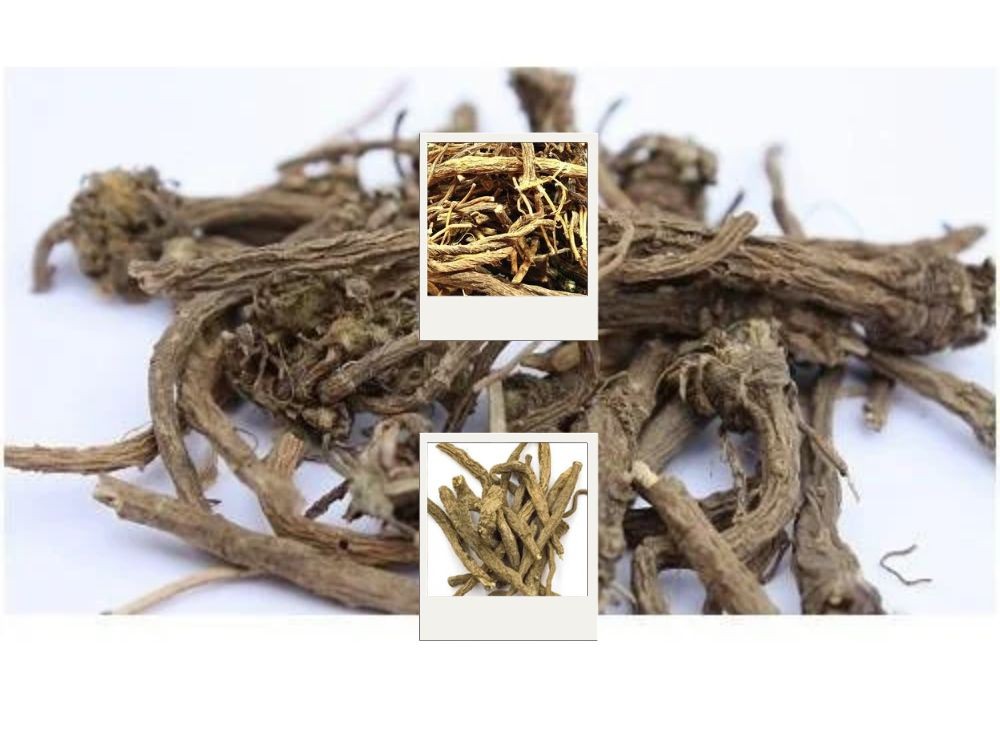
Pyrethrum Indicum (Bozidan): Traditional Medicinal Uses, Properties, and Benefits
Mesua ferrea (Nagkesar): Description, Medicinal Properties, and Traditional Uses