


Blogs
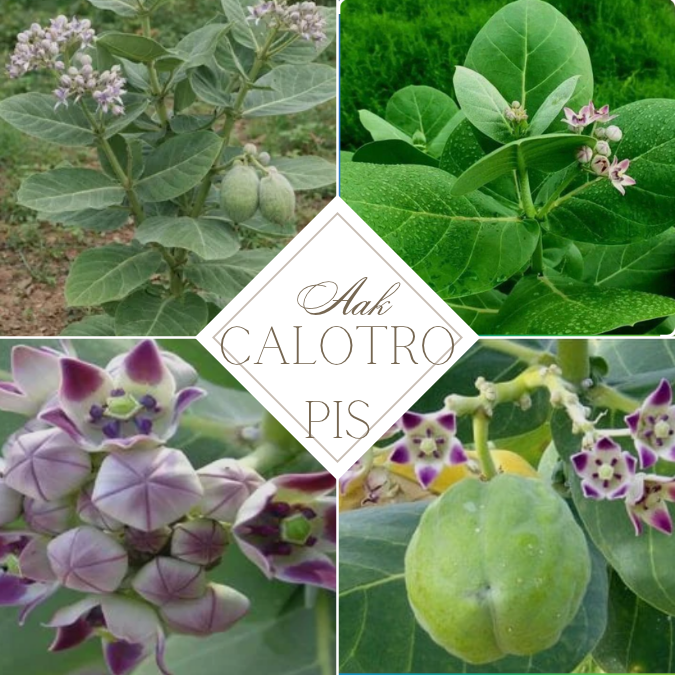
Traditional Herbal Remedies Using Aak (Calotropis)
Aak (Calotropis) is a traditional medicinal plant mentioned in Unani and folk medicine for various ailments. Discover its historical uses, traditional preparations, and approximate metric measurements, along with important safety warnings about its toxicity and potential health risks.

Hub-e-Athra: A Traditional Unani Formula for Recurrent Pregnancy Loss
Hub-e-Athra is a traditional Unani formula historically associated with recurrent pregnancy loss and infant mortality. Explore its ingredients, approximate modern measurements, traditional claims, and historical background, along with essential safety information about toxic ingredients and the importance of professional maternal and newborn care.
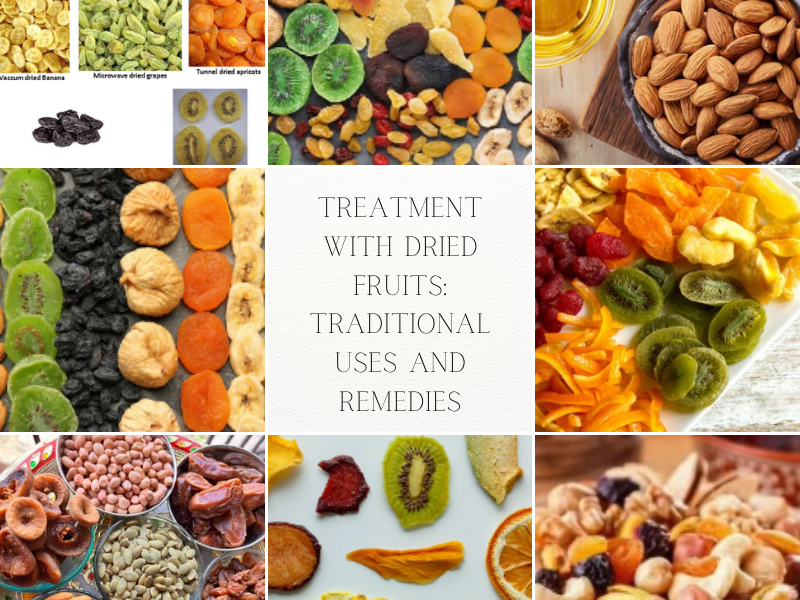
Treatment with Dried Fruits: Traditional Uses and Remedies
Discover traditional uses of dried fruits, herbs, and spices in Unani and folk medicine. Learn about remedies involving coconut, figs, cloves, ispaghol, apricots, walnuts, bay leaves, ginger, fennel, and black pepper, along with their historical applications and essential safety considerations.
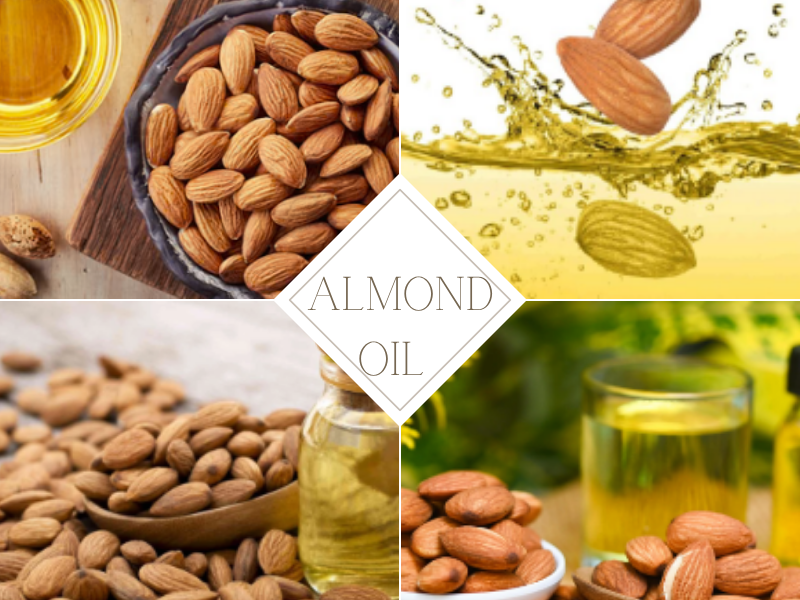
Almond Oil and Other Medicinal Oils: Traditional Uses and Benefits
Almond oil has long been used in traditional Unani medicine for skincare, hair care, massage, and general wellness. Explore its traditional applications alongside the historical uses of other medicinal oils, including amla, clove, cardamom, peppermint, and eucalyptus oil, with important safety precautions.
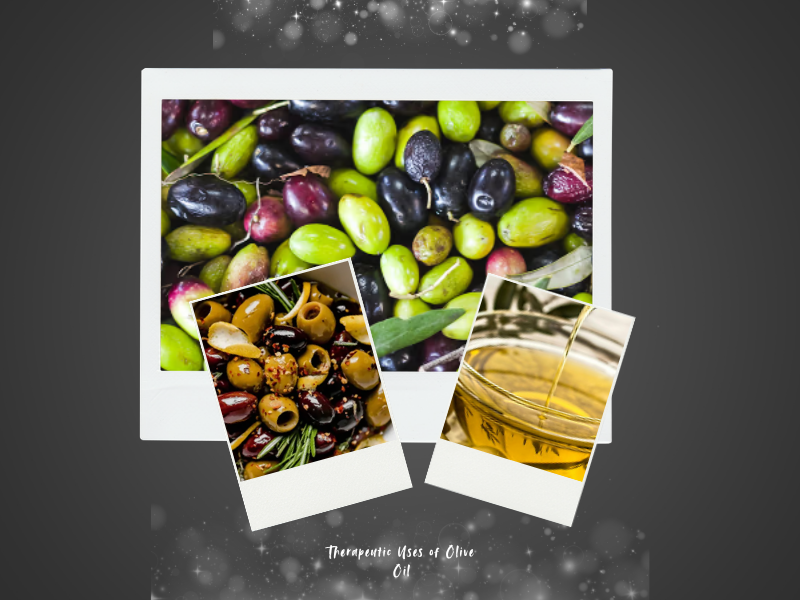
Therapeutic Uses of Olive Oil: Traditional Remedies and Benefits
Olive oil has been valued for centuries as both a nourishing food and a traditional remedy. Discover its uses for moisturizing dry skin, massage, hair care, and general wellness, along with the limitations of traditional remedies and essential safety advice.
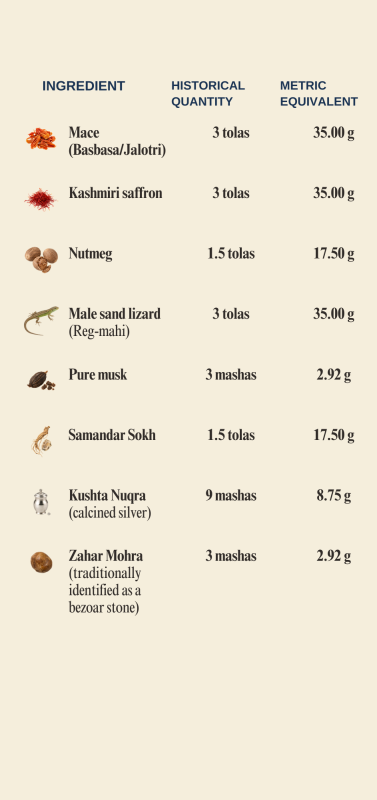
Hub-e-Nashat: Traditional Unani Formulation for Sexual Vitality
Hub-e-Nashat is a traditional Unani formulation historically described for sexual vitality, stamina, and delayed ejaculation. Learn about its traditional ingredients and reported uses, along with essential safety information. Its effectiveness and safety have not been established by modern clinical research.

Aksir-e-Niswan: Traditional Unani Formulation for Women's Health
Aksir-e-Niswan is a traditional Unani formulation historically described for menstrual irregularities and other gynecological complaints. Learn about its recorded ingredients and traditional uses, along with important safety precautions. Its effectiveness has not been established by modern clinical evidence, and its toxic ingredients make the historical recipe unsafe for self-treatment.
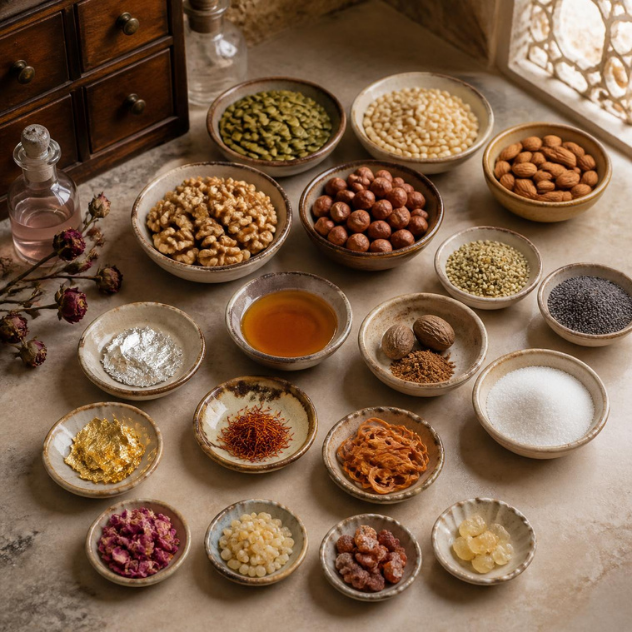
Majoon Falak Sair: Traditional Unani Formulation
Majoon Falak Sair is a traditional Unani confection historically described for sexual vitality, appetite stimulation, and mood enhancement. Learn about its traditional ingredients and claimed uses, along with important safety information. Its effectiveness has not been established by modern clinical evidence, and its opium and cannabis resin content presents serious health risks.

Traditional Unani Powder for Jaryan (Spermatorrhea)
This traditional Unani formulation was historically described for Jaryan (spermatorrhea), nocturnal emissions, and other male reproductive complaints. Discover its traditional ingredients and claimed uses, along with important safety information. Its effectiveness and safety have not been established by modern clinical evidence.
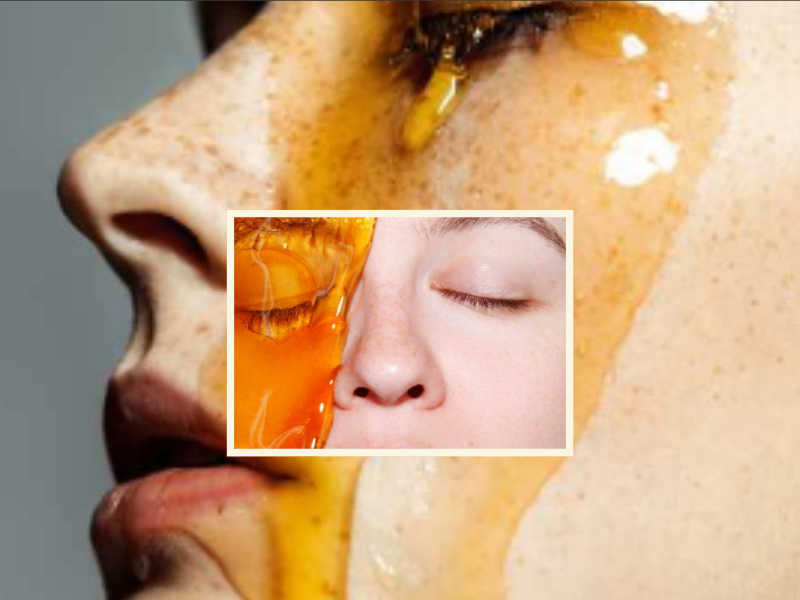
Ghazah-e-Husn: Traditional Beauty Preparation
Ghazah-e-Husn is a traditional cosmetic preparation made with botanical ingredients, sandalwood, saffron, and floral essences. Historically promoted for a radiant-looking complexion, its benefits and safety have not been scientifically established.
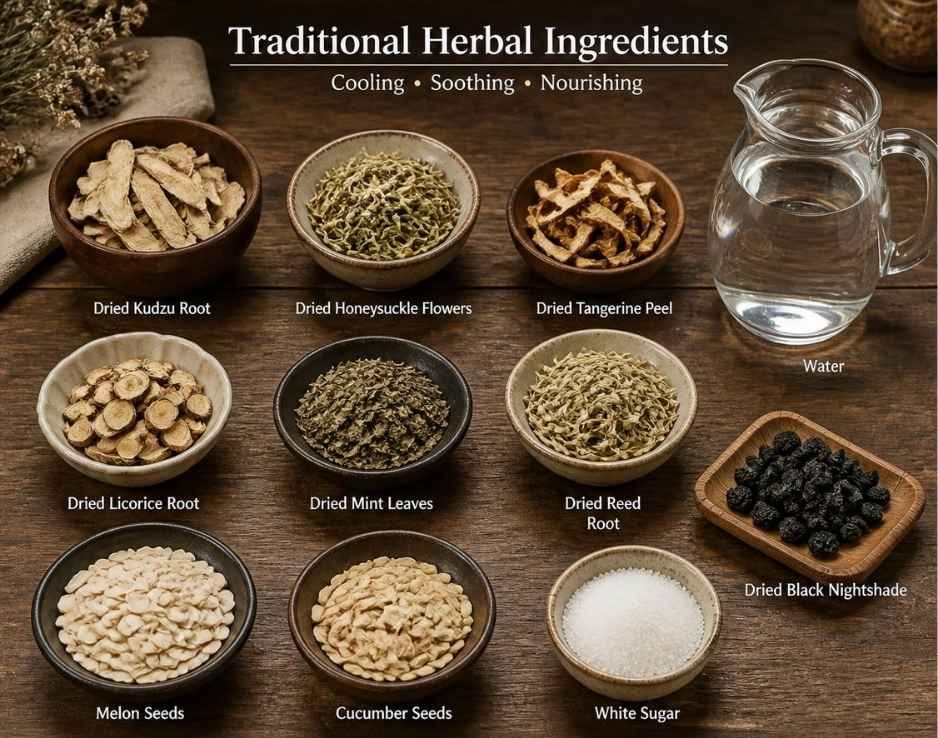
Sharbat-e-Ikseer-e-Niswan: Traditional Unani Syrup for Women's Health
Sharbat-e-Ikseer-e-Niswan is a traditional Unani formulation historically associated with menstrual and gynecological complaints. Explore its ingredients, historical uses, and essential safety warnings.
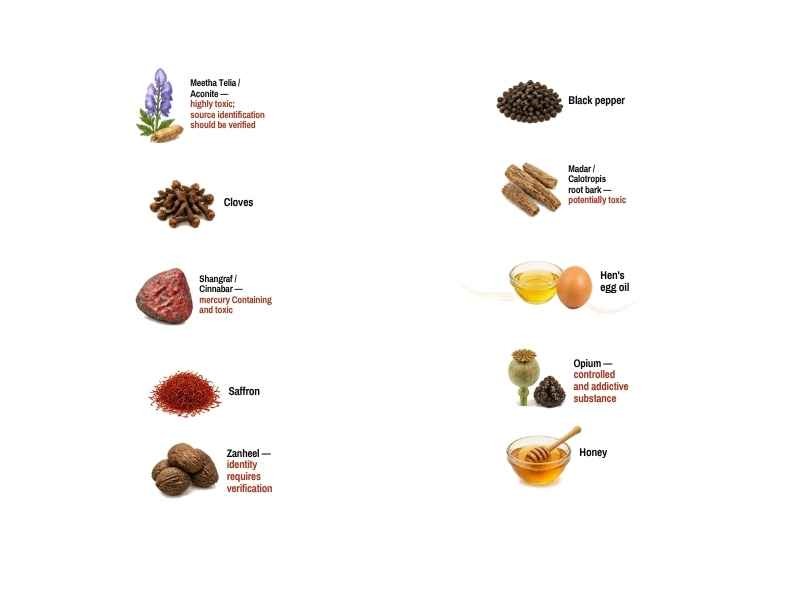
Hub-e-Aijaz: Traditional Unani Formulation for Respiratory Complaints
Hub-e-Aijaz is a traditional Unani formulation historically described for cough, catarrh, fever, and chest complaints. Its ingredients include highly toxic substances, so it should not be used as a home remedy.
Recent Posts
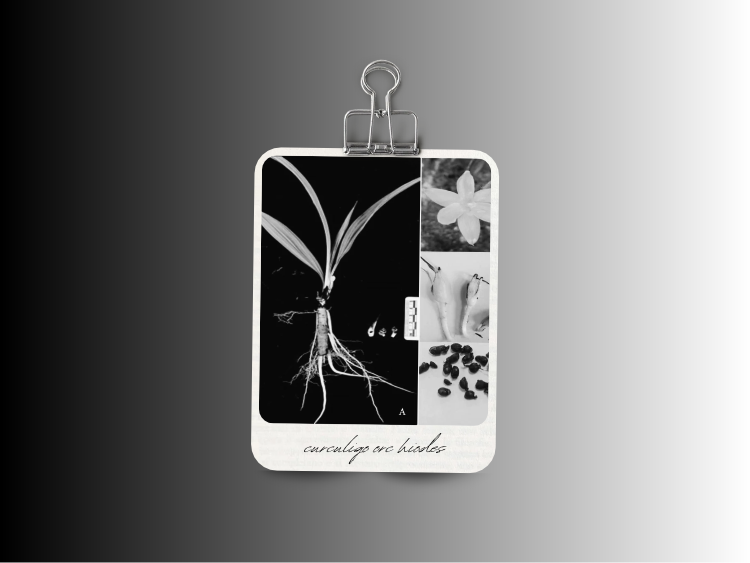
Curculigo Orchioides (Black Musli): Description, Traditional Uses, and Medicinal Properties
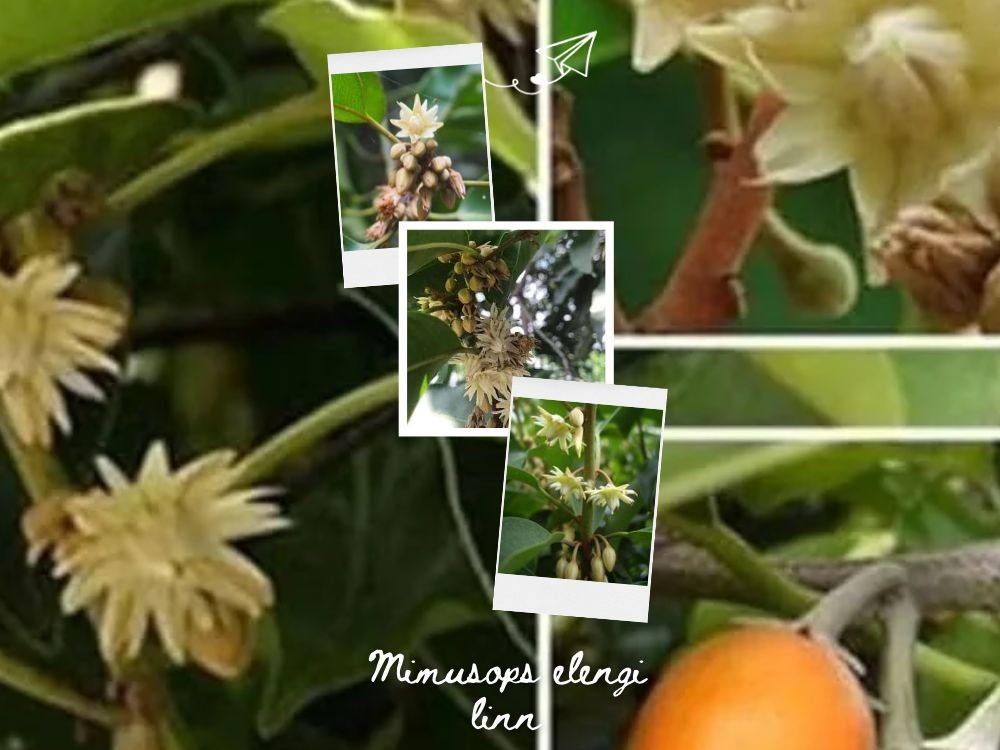
Mimusops elengi Linn. (Mulsari): Traditional Medicinal Uses, Properties, and Benefits
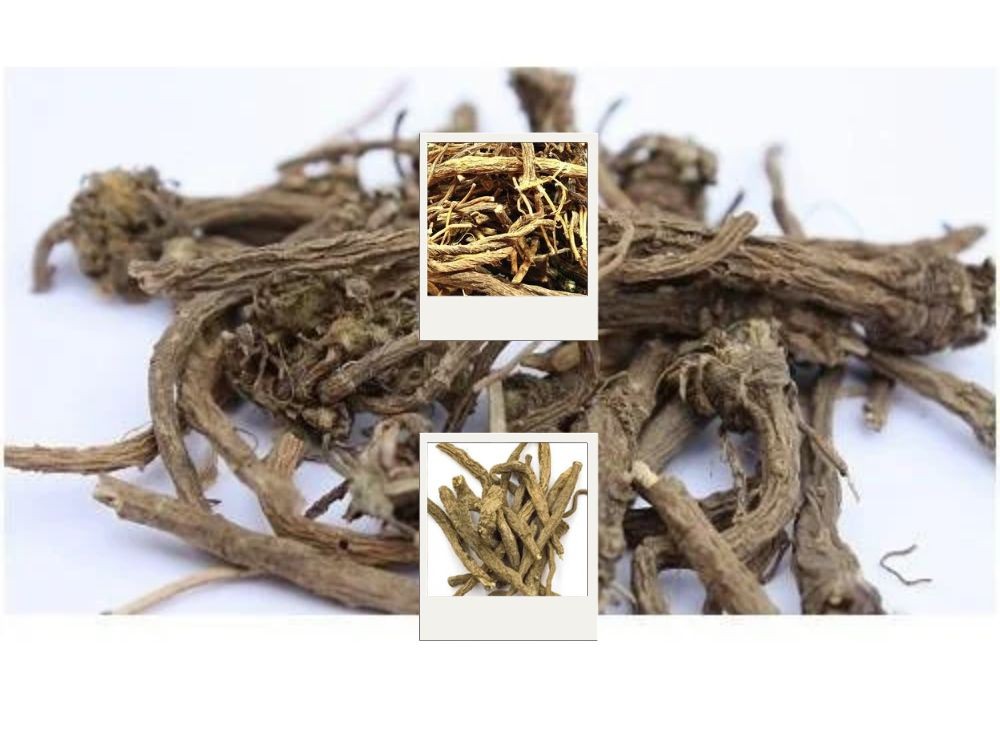
Pyrethrum Indicum (Bozidan): Traditional Medicinal Uses, Properties, and Benefits
Mesua ferrea (Nagkesar): Description, Medicinal Properties, and Traditional Uses