






Blogs
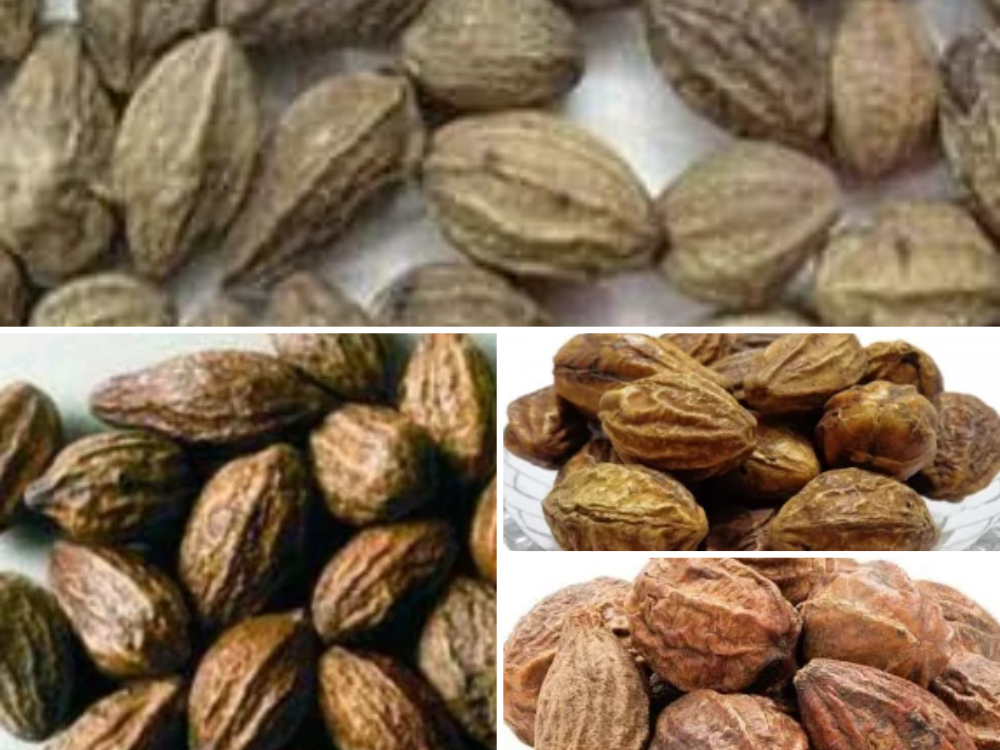
Myrobalans (Terminalia chebula): Botanical Description, Types, Properties, and Traditional Medicinal Uses
Myrobalan (Terminalia chebula), commonly known as Harad or Halila, is an important herb in Ayurvedic and Unani medicine. Discover its botanical features, traditional varieties, chemical constituents, and medicinal properties, including its digestive, astringent, and tonic actions.
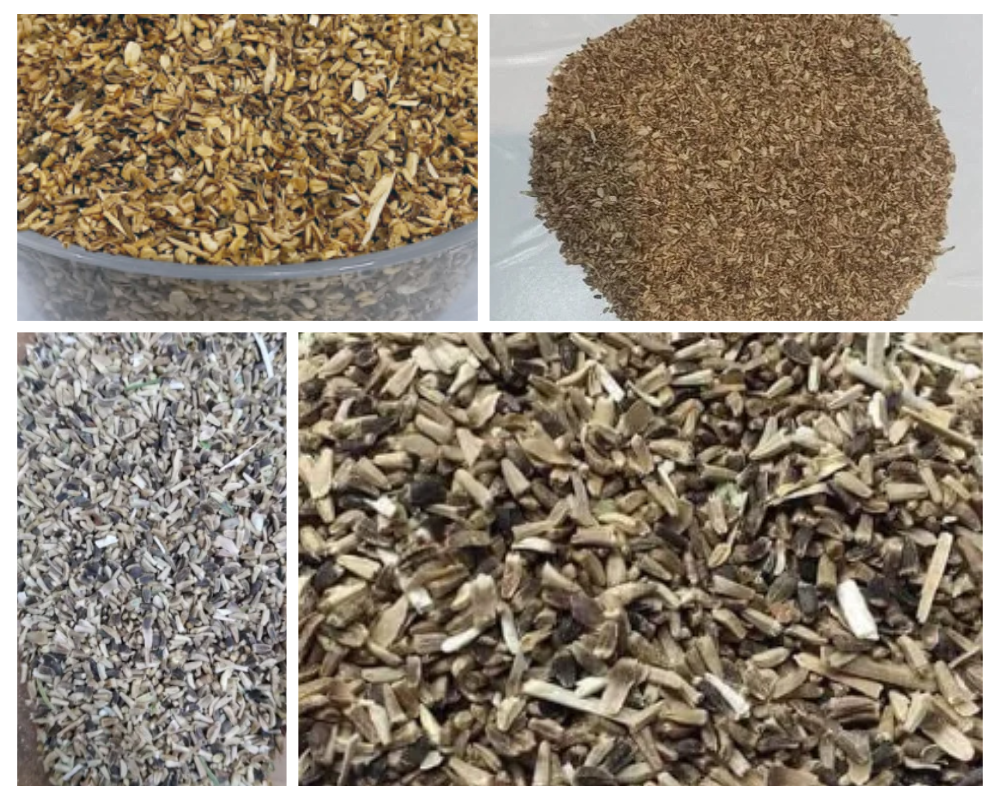
Chicory Root and Chickpea Seeds: Traditional Medicinal Properties and Uses
Chicory root and chickpea seeds are traditionally valued in Unani medicine for their diuretic, deobstruent, and other therapeutic properties. They are used in traditional preparations for phlegmatic and bilious fevers, liver and spleen disorders, urinary complaints, joint pain, and fluid retention.
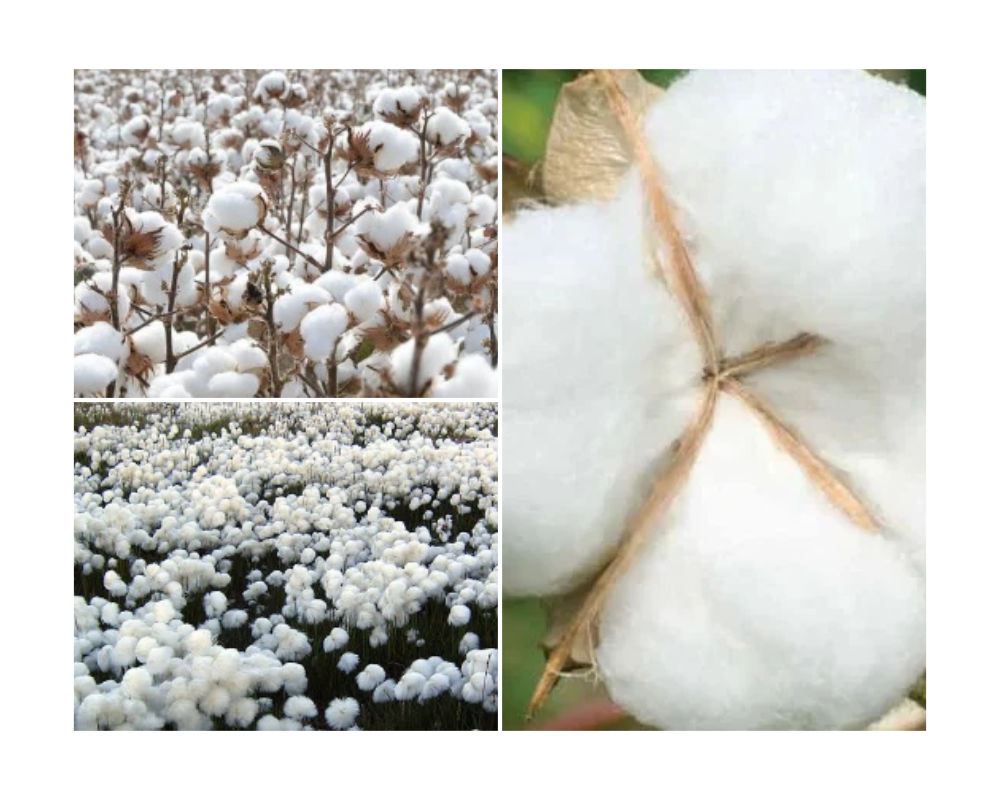
Gossypium Herbaceum (Cotton Plant): Botanical Description, Chemical Composition and Uses
Gossypium herbaceum, commonly known as the cotton plant, is an economically important plant cultivated in Pakistan, India, Egypt, and other warm regions. Its different parts contain valuable natural compounds, including gossypol and gossypetin, and are widely used in textile production and cottonseed oil manufacturing.
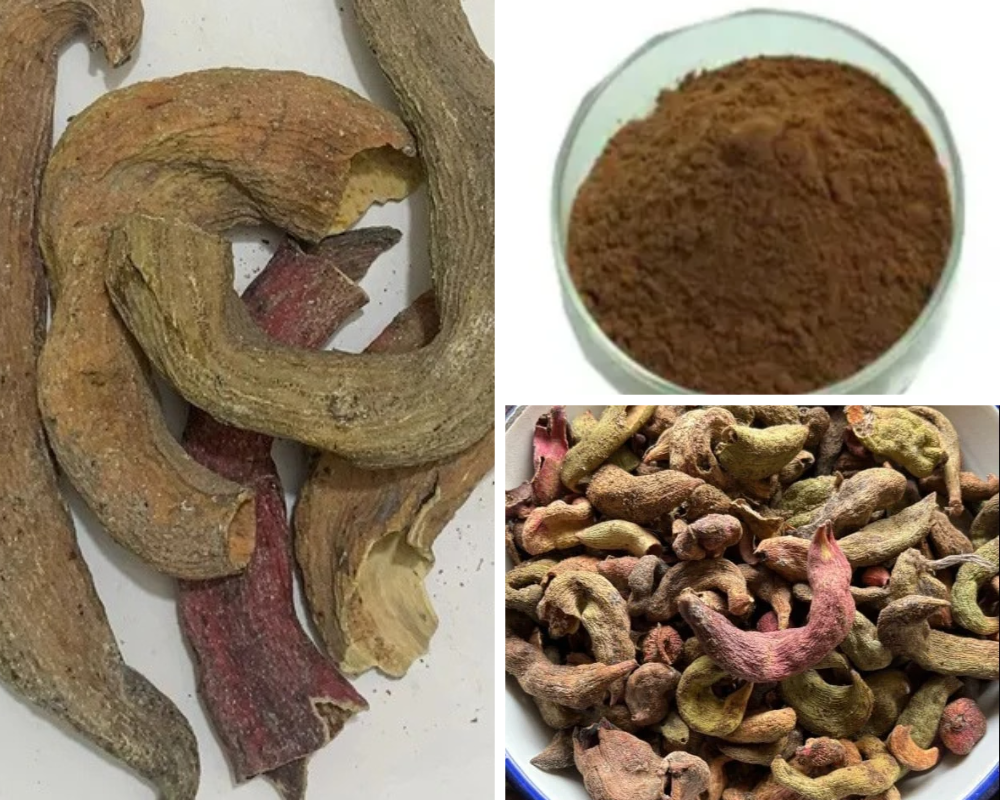
Pistacia integerrima (Kakar Singhi): Traditional Medicinal Uses and Benefits
Kakar Singhi, obtained from the galls of the Pistacia integerrima tree, is valued in traditional Unani medicine for its expectorant, desiccant, and stomachic properties. It is traditionally used in herbal preparations for coughs, asthma, and respiratory complaints.
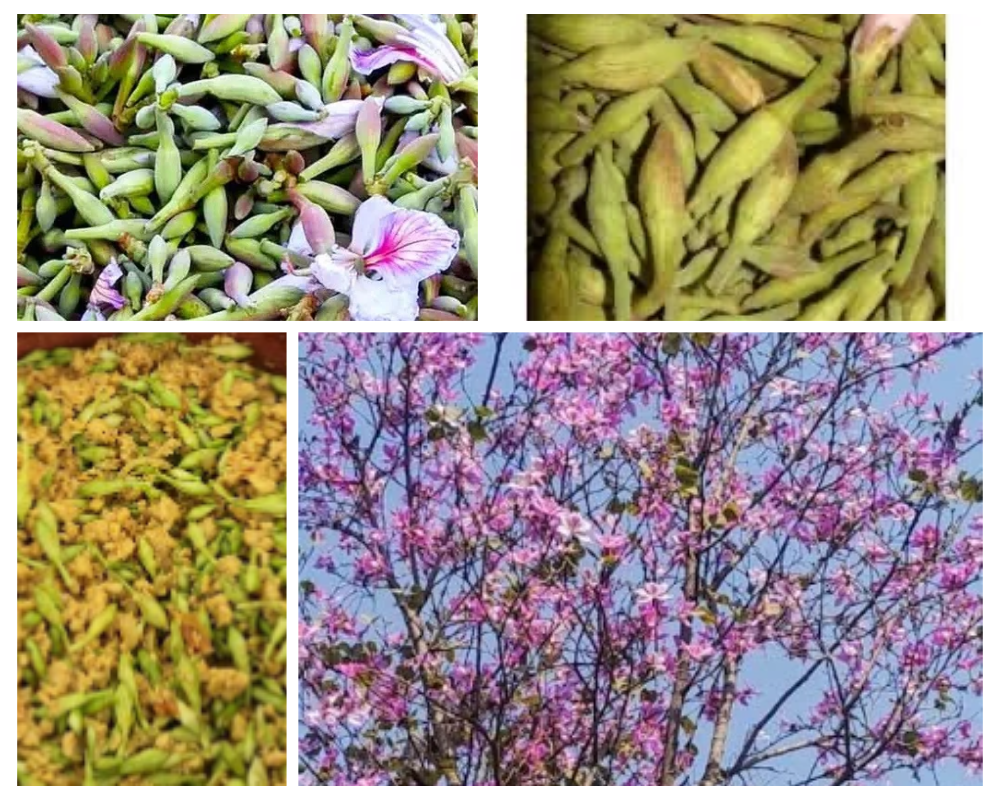
Bauhinia Variegata (Kachnar): Traditional Medicinal Uses and Therapeutic Benefits
Bauhinia variegata, commonly known as Kachnar, is a medicinal tree traditionally used in Unani medicine for its astringent and haemostatic properties. Its bark, flowers, buds, roots, and leaves are used in traditional remedies for digestive complaints, bleeding, skin conditions, and other ailments
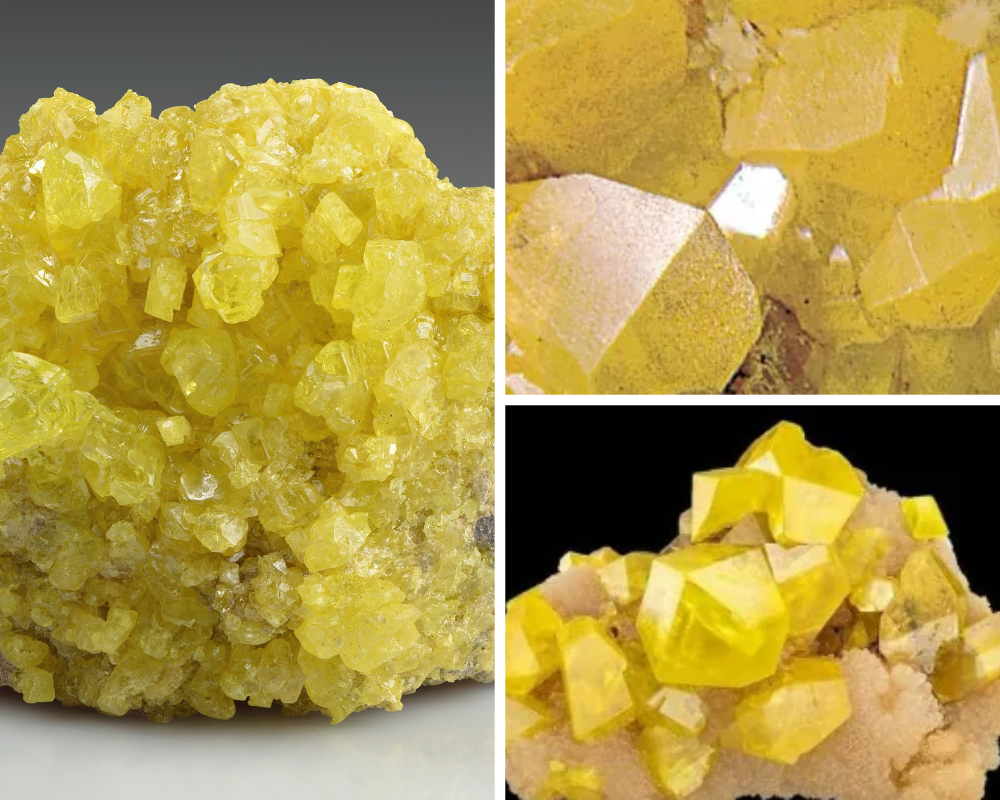
Sulphur (Gandhak): Medicinal Uses, Properties, and Health Benefits
Sulphur, commonly known as Gandhak, is a natural mineral used in traditional Ayurvedic and Unani medicine. It is valued for its cleansing, antiseptic, drying, and laxative properties and is traditionally used in preparations for acne, scabies, psoriasis, ringworm, and other skin conditions.
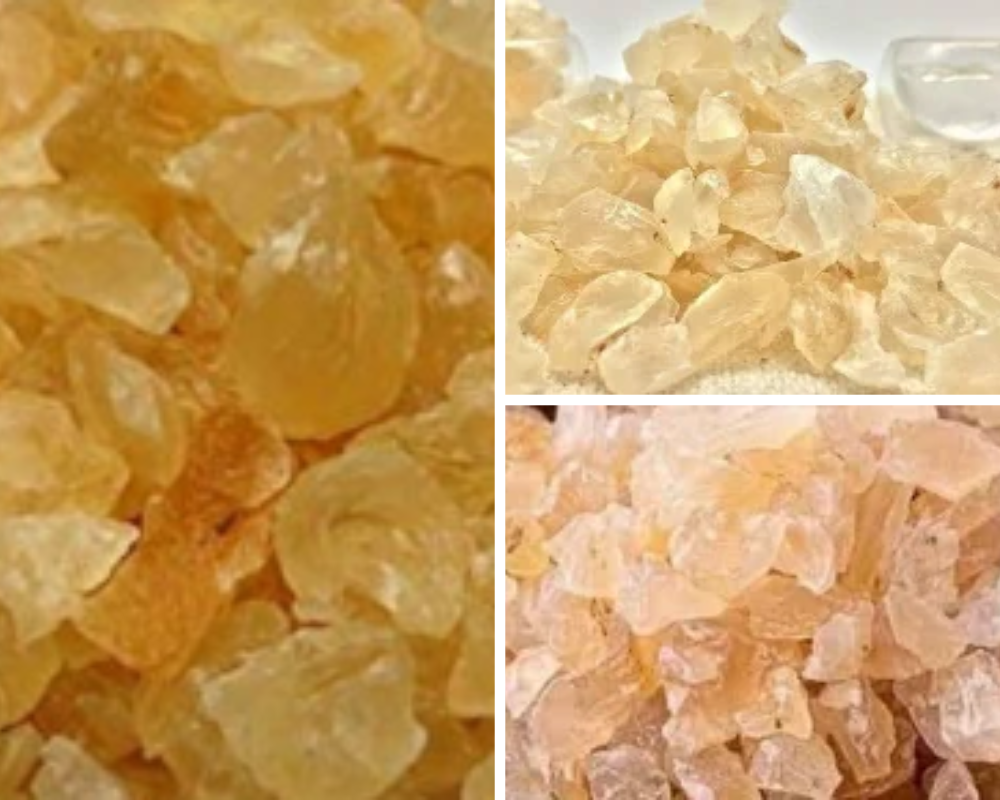
Tragacanth (Katira): Medicinal Uses, Properties, and Health Benefits
Tragacanth, commonly known as Katira, is a natural plant gum valued in traditional medicine for its soothing and moisturising properties. It is traditionally used in remedies for dry cough, throat irritation, skin dryness, digestive discomfort, and excessive internal heat.
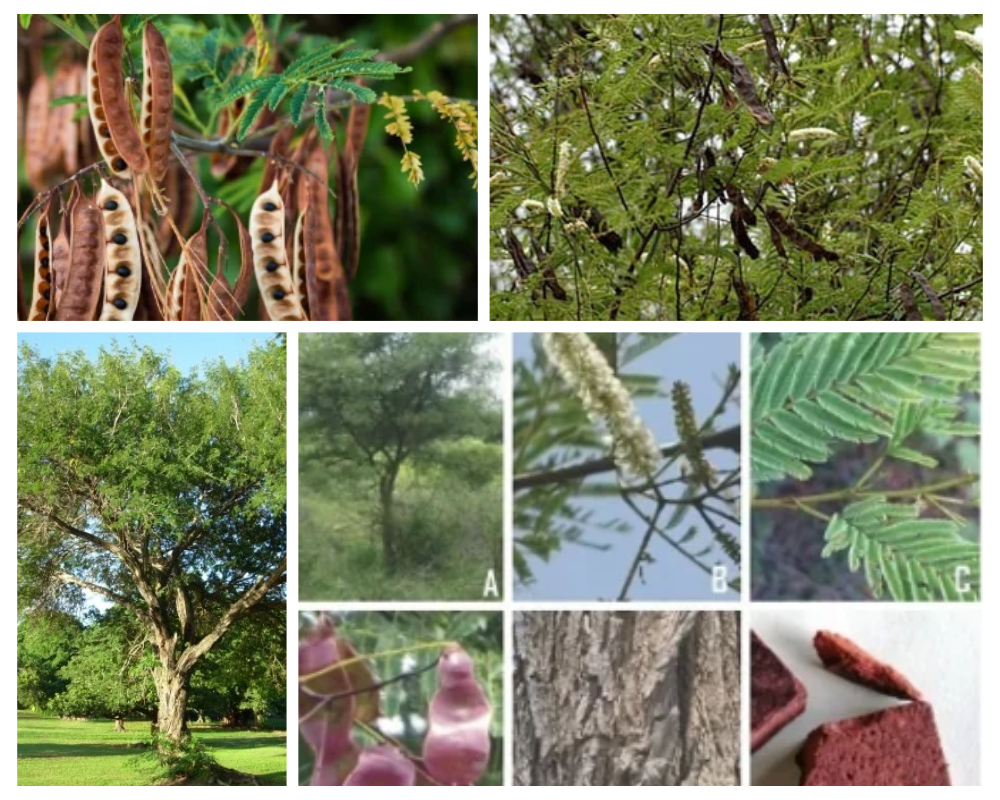
Catechu (Acacia catechu): Medicinal Uses, Properties, and Health Benefits
Catechu (Acacia catechu), also known as Khairia Kattha, is a traditional medicinal plant valued for its astringent, drying, and bleeding-control properties. It is commonly used in traditional remedies for bleeding gums, oral ulcers, mouth irritation, and wound care.
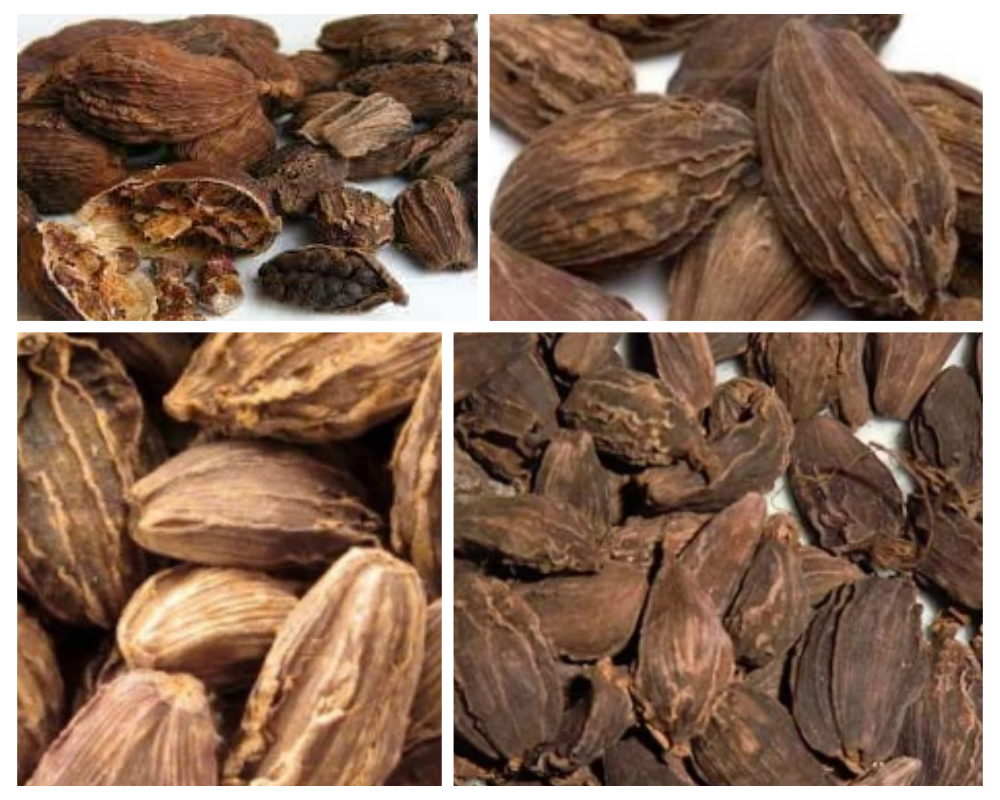
Large Cardamom (Amomum subulatum): Medicinal Properties, Uses, and Benefits
Large cardamom is an aromatic spice traditionally used in herbal medicine as a digestive aid, stomach tonic, and mouth freshener. It is valued for its carminative properties and traditional use in relieving flatulence, nausea, and diarrhoea.
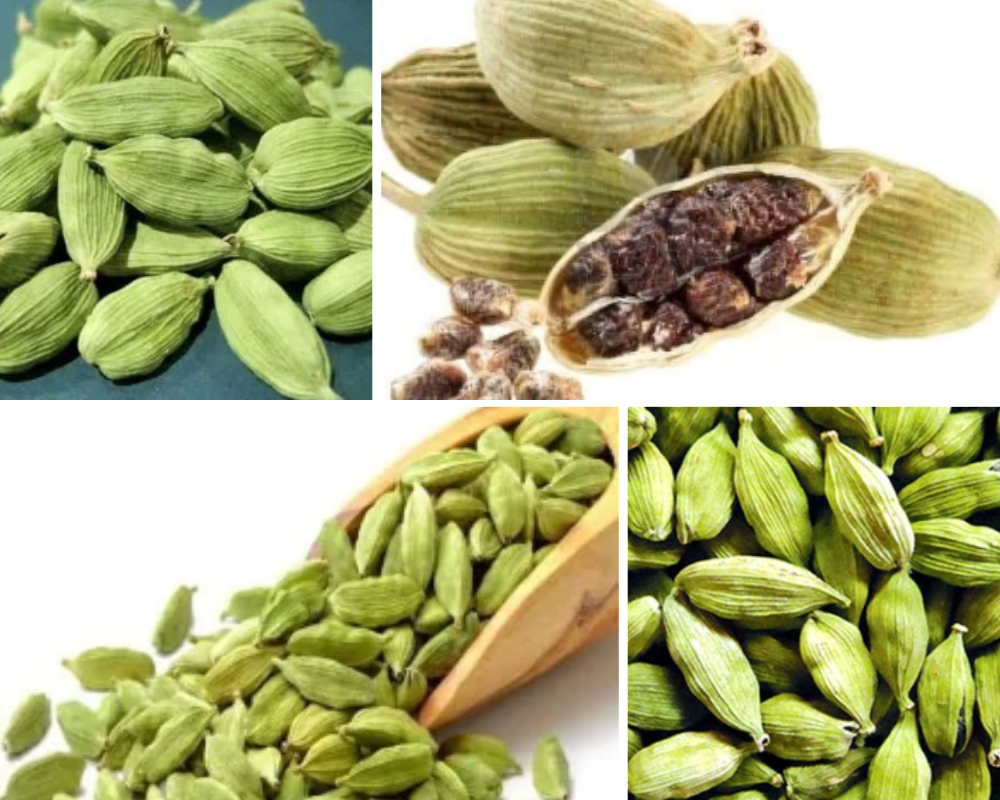
Elettaria Cardamomum (Green Cardamom)
Green Cardamom (Elettaria Cardamomum) is an aromatic spice traditionally used in herbal medicine for its digestive and carminative properties. It is valued for relieving bloating, flatulence, and nausea, freshening the breath, and supporting digestive health.
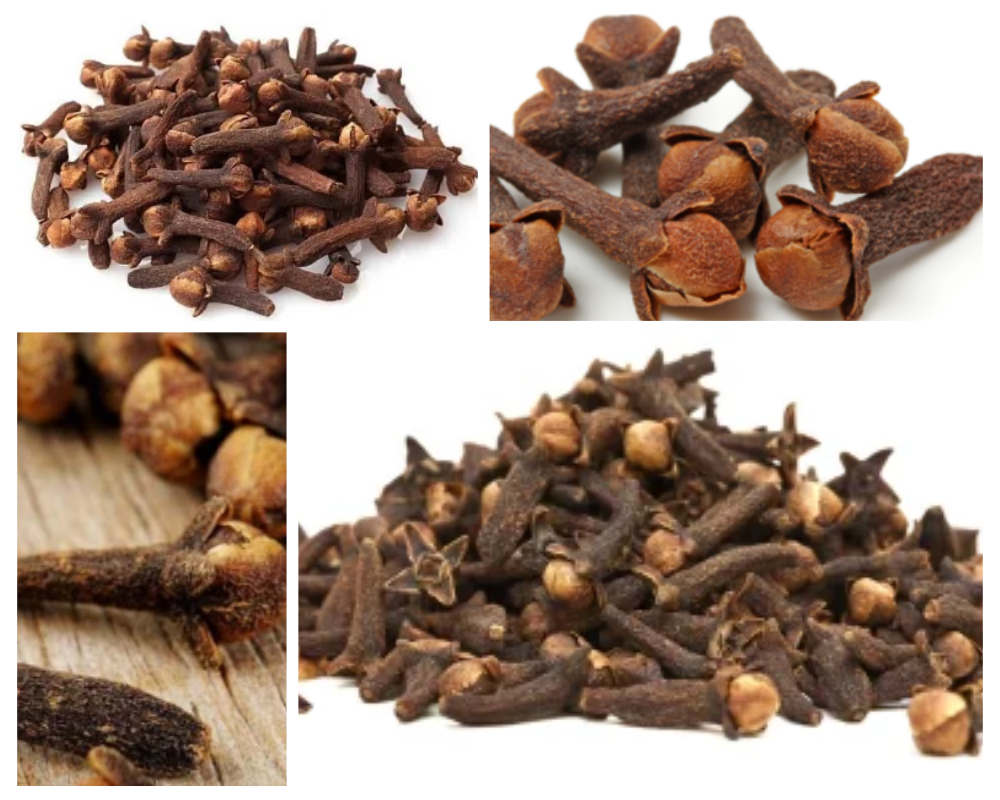
Myrtus Caryophyllus (Cloves): Medicinal Properties, Uses, and Benefits
Cloves (Myrtus Caryophyllus) are aromatic flower buds traditionally used in herbal medicine and cooking. Known for their warming, carminative, and aromatic properties, they are commonly used to support digestion, freshen breath, relieve toothache, and prepare traditional medicinal remedies.
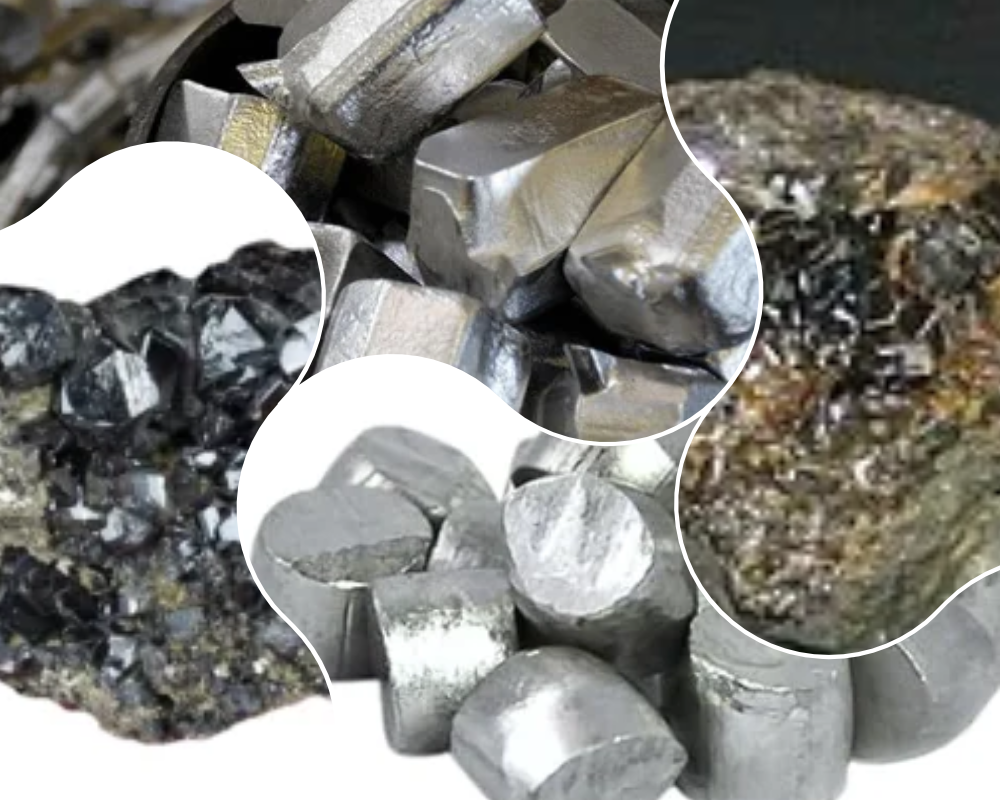
Tin (Stannum): Traditional Medicinal Uses and Benefits
Tin (Stannum) is a white, shiny metal traditionally described as cold and dry in temperament. In traditional medicine, it is associated with astringent and blood-stopping properties and has historically been used in preparations for various conditions.
Recent Posts

Curculigo Orchioides (Black Musli): Description, Traditional Uses, and Medicinal Properties

Mimusops elengi Linn. (Mulsari): Traditional Medicinal Uses, Properties, and Benefits

Pyrethrum Indicum (Bozidan): Traditional Medicinal Uses, Properties, and Benefits






Mesua ferrea (Nagkesar): Description, Medicinal Properties, and Traditional Uses


